If you’ve ever stood in front of a classroom full of sugar-fueled kids who think “quiet time” means whispering slightly louder, you know behavior management can be… well, chaos. 😅 You set rules, repeat them fifty times, and by lunchtime, someone’s still arguing over who “technically” broke the rule first.
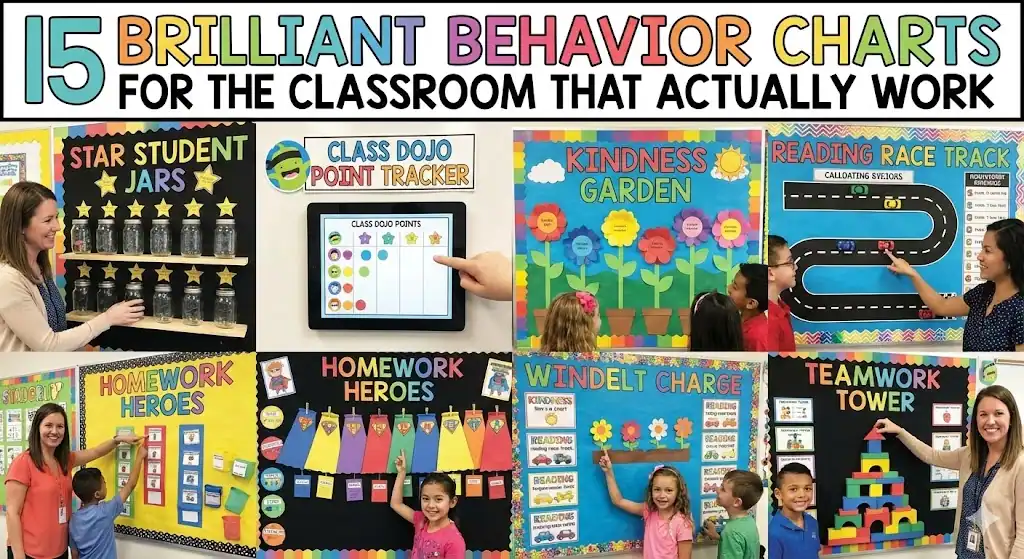
That’s where behavior charts for the classroom swoop in like a superhero. These colorful, clever little tools don’t just make classroom management easier—they make it fun. And here’s the kicker: they actually work.
I’ve tried dozens of them myself (some were total disasters, others pure gold). So today, I’m spilling the tea on 15 brilliant behavior charts for the classroom that truly get results. Whether you teach preschool, elementary, or middle school, you’ll find something here to make your day a whole lot smoother.
1. The Classic Color Clip Chart
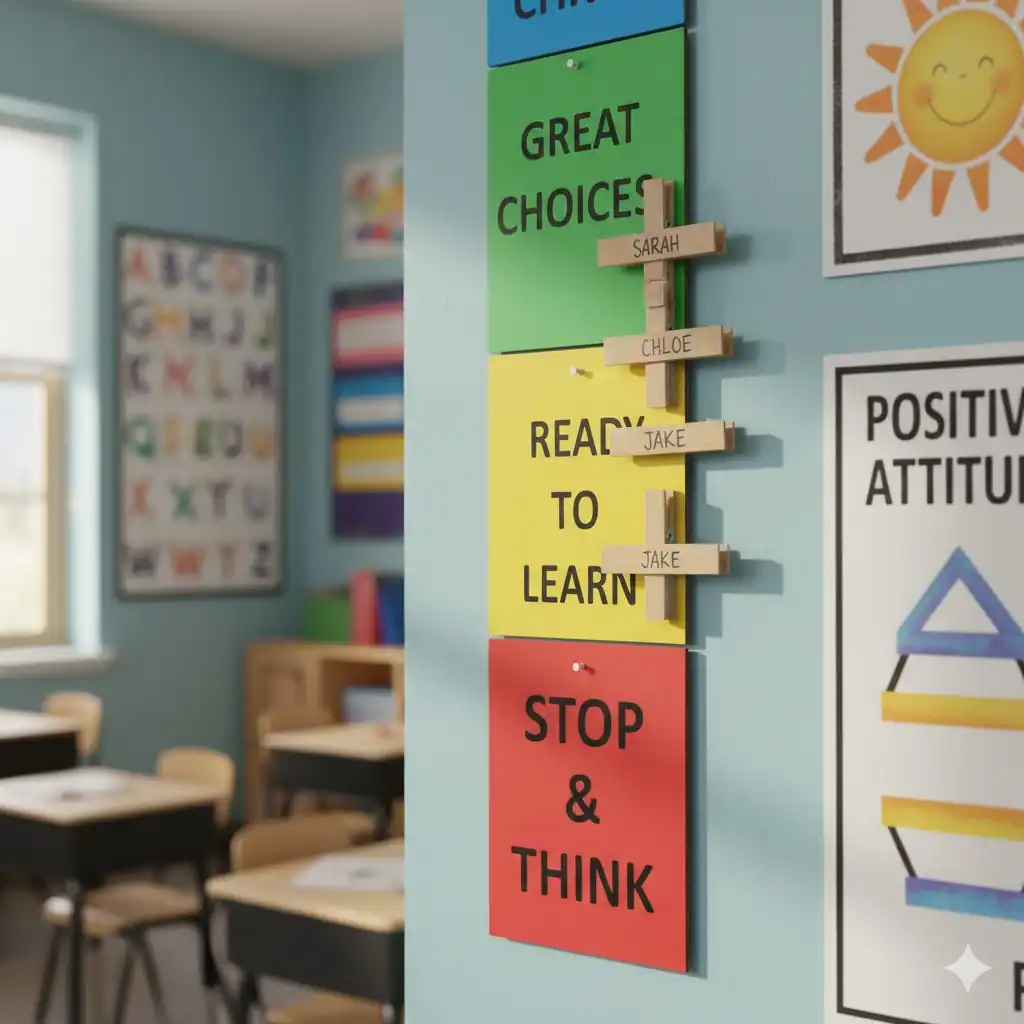
Ah, the old-school favorite—the color clip chart. You’ve probably seen it a thousand times, but here’s the truth: it still works if used right.
Students start on a neutral color, say “green,” and move up for positive behavior or down for not-so-great choices. The beauty? Instant visual feedback. Kids know exactly where they stand.
Pro Tip: Keep it positive. Focus on rewarding good behavior more than punishing bad. Nobody likes living on “red” all day.
Why It Works:
- Simple to use daily
- Visual motivation for students
- Encourages self-regulation
Ever wondered why this one never goes out of style? Because kids love moving their clips up—it’s like leveling up in real life.
2. The Sticker Reward Chart
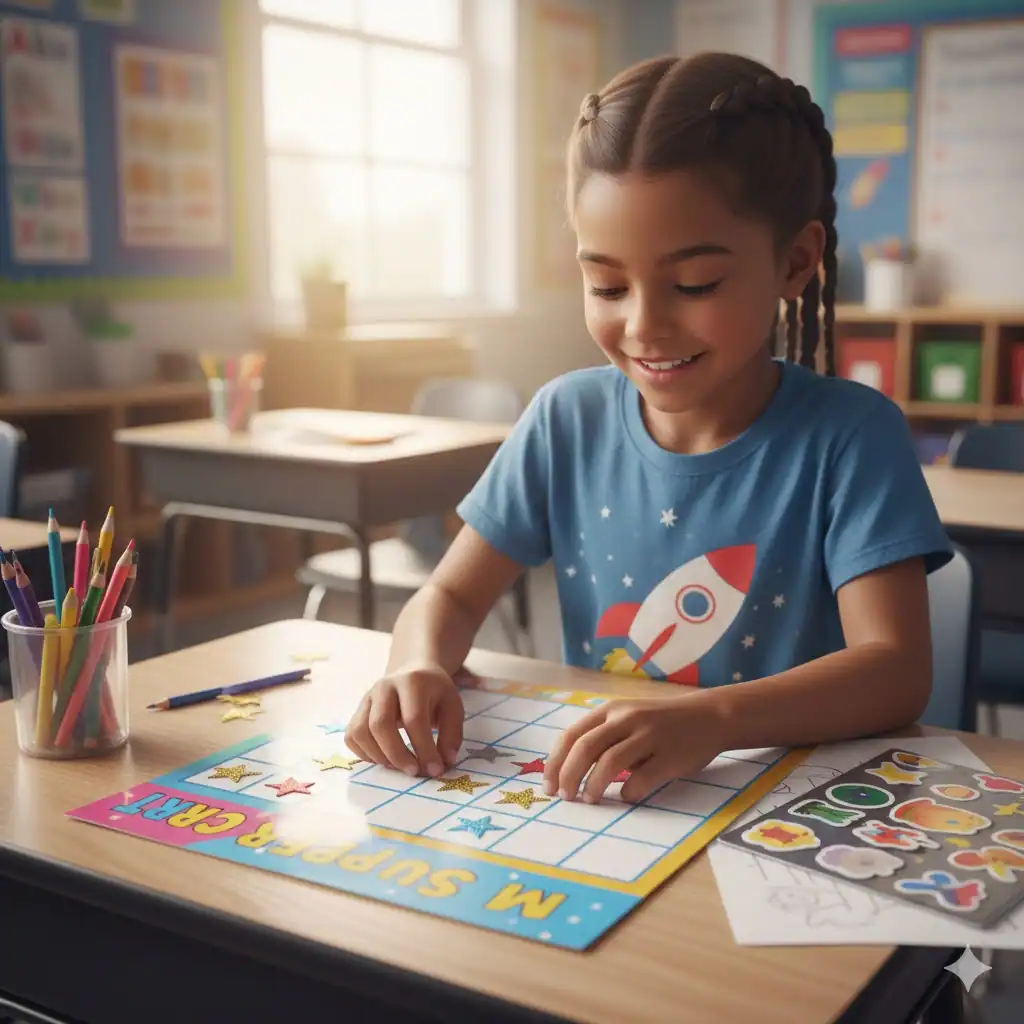
Stickers: tiny circles of pure magic. I swear, a single glittery unicorn sticker can motivate a kid faster than any lecture.
Give each student a personal sticker chart—one row for each day, goal, or subject. When they meet behavior goals (like raising hands or helping a friend), they earn a sticker.
Once they fill the chart, they get a reward—extra recess, a small prize, or classroom privileges.
Why It Works:
- Immediate reward system
- Perfect for individual tracking
- Great for younger students
IMO, this one’s a lifesaver for preschool and early elementary classrooms. Just stock up on stickers—you’ll run out fast!
3. The “Race to the Top” Chart
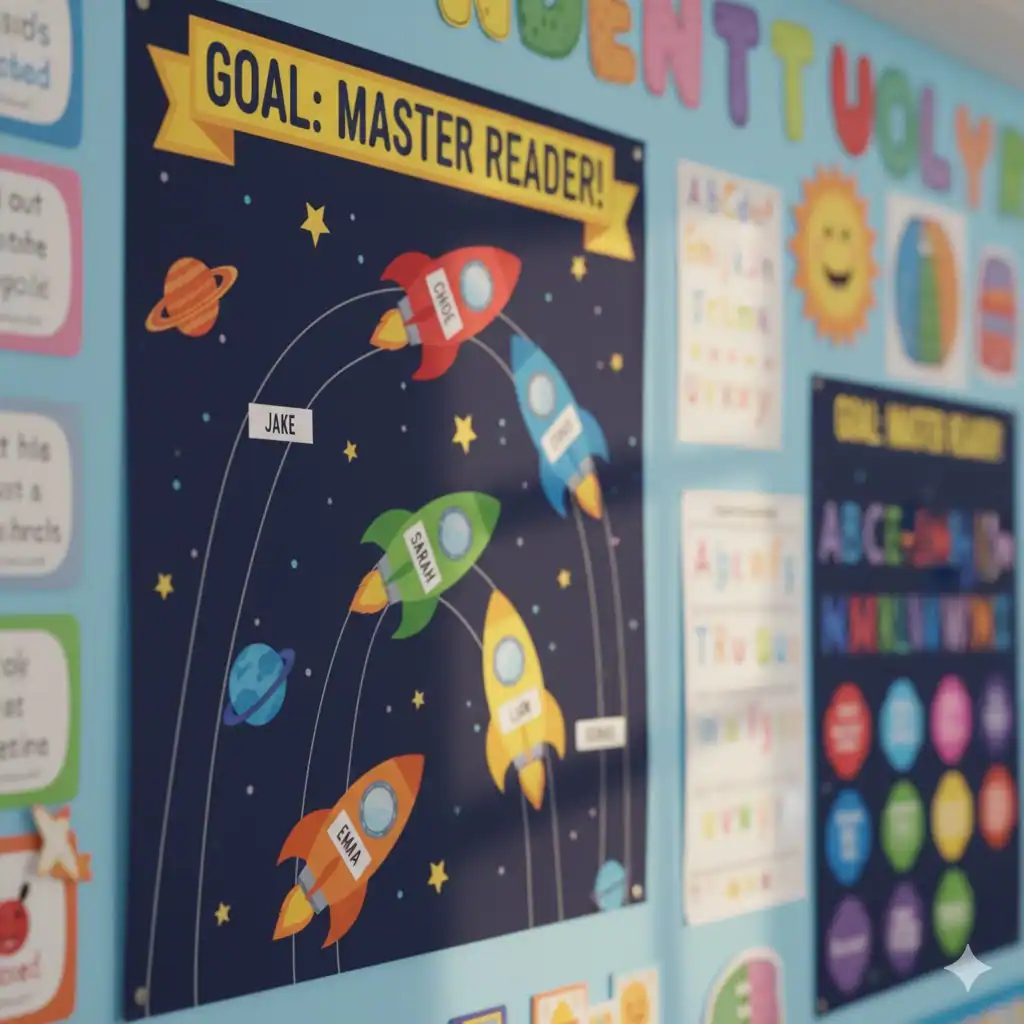
This one turns behavior into a friendly competition. Picture a race track, rocket ship, or mountain poster. Each student has a marker or icon that “moves up” with good behavior.
Pro Tip: Make the final goal exciting—like “Lunch with the teacher” or “No homework Friday.”
Why It Works:
- Adds teamwork and competition
- Creates excitement in daily routines
- Visually engaging for students
Ever seen a student sprint to behave just to move their rocket one inch higher? It’s oddly adorable and highly effective.
4. The Class Dojo System

If you love tech, this one’s for you. Class Dojo lets you manage behavior digitally—no paper, no cutting, no lost charts. You award or deduct points on your phone or computer, and students see their progress in real time.
Why It Works:
- Kids love the app’s avatars
- Parents can see updates instantly
- Easy to track long-term behavior
The only downside? You might find yourself acting like a game show host yelling, “Ten points for teamwork!” But hey, it works.
5. The Marble Jar
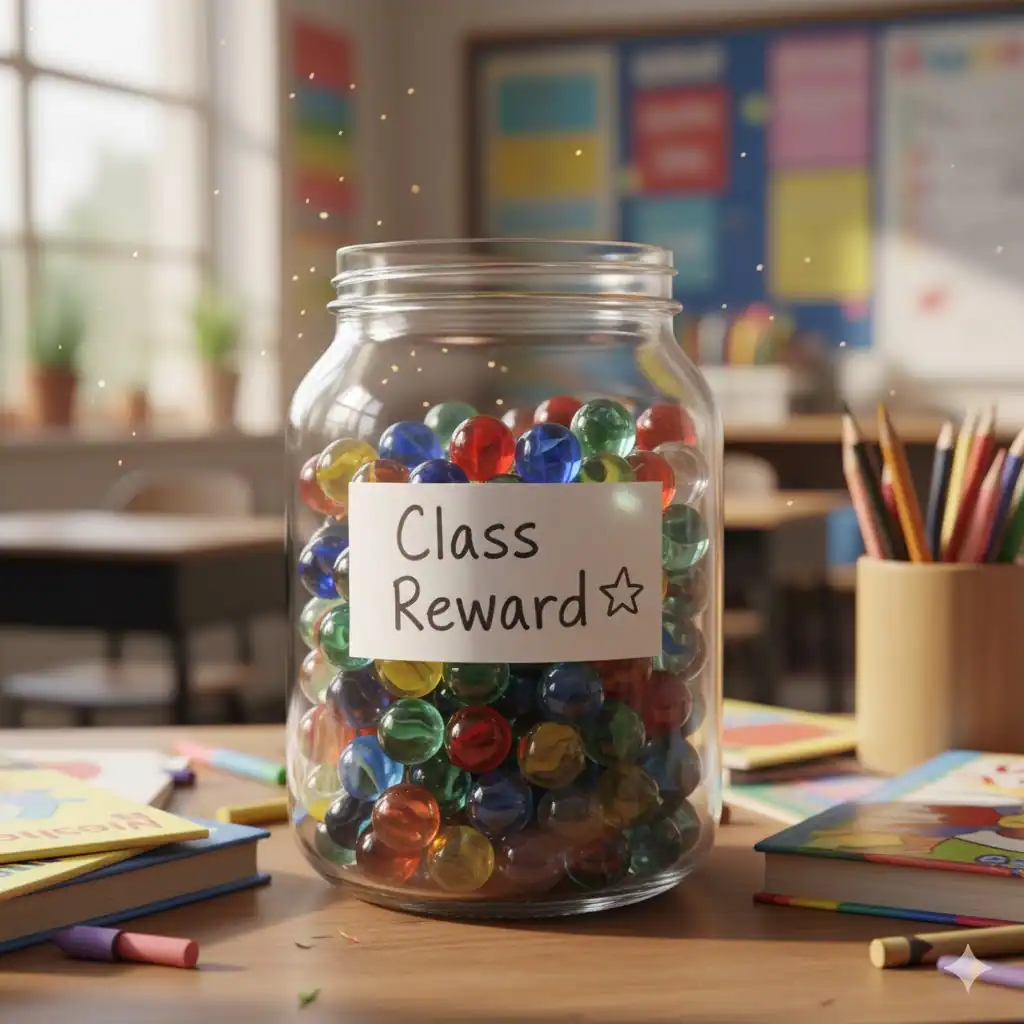
Old-school and brilliant. Grab a jar, toss in a marble each time the whole class behaves well—like staying quiet in the hallway or finishing work early. When the jar’s full, they earn a class reward.
Why It Works:
- Encourages teamwork
- Visual group progress
- Builds accountability
You’d be amazed how fast kids hush each other when they realize one more marble means pizza party Friday. 🍕
6. The Mystery Reward Chart
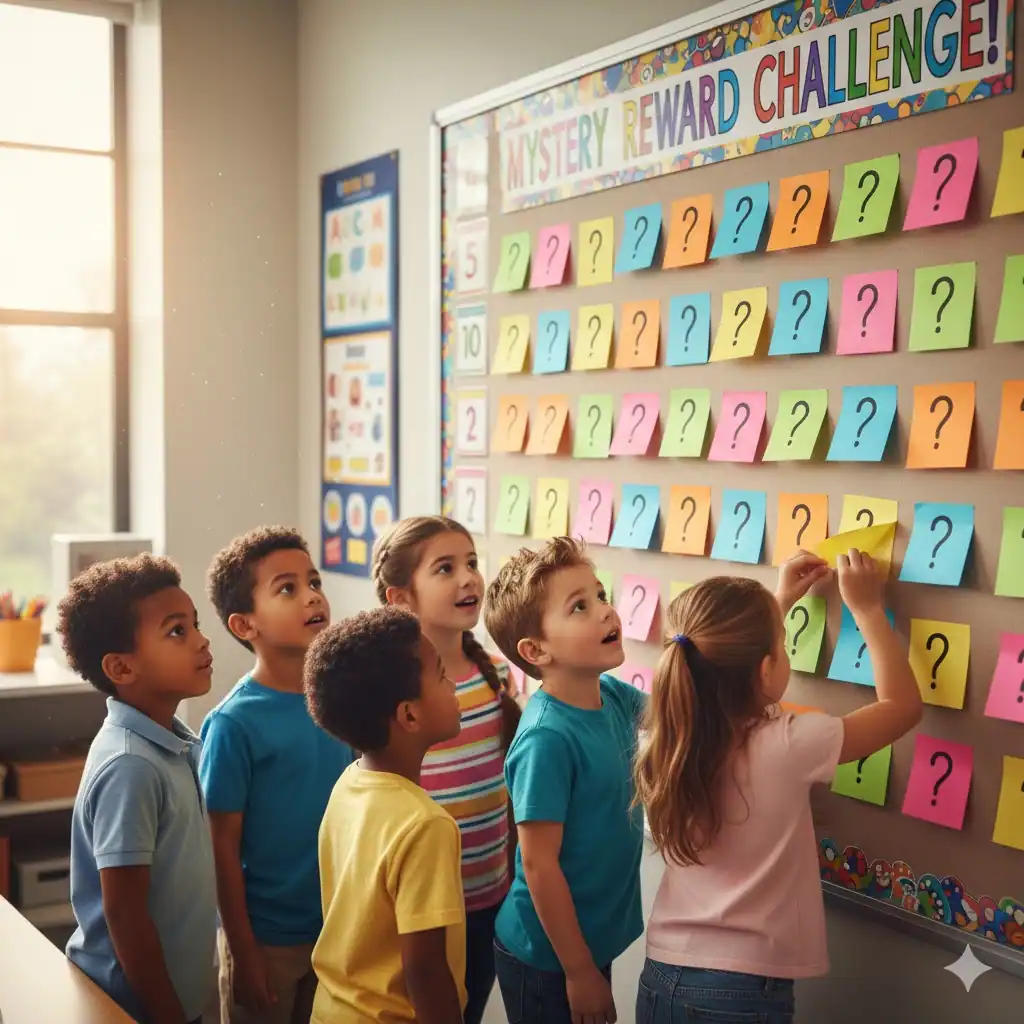
Here’s where things get sneaky fun. List different class goals (like “Keep the classroom clean for 5 days”). Each completed task uncovers a piece of a hidden mystery reward (use sticky notes or envelopes).
Why It Works:
- Builds curiosity and suspense
- Focuses on teamwork
- Keeps kids guessing (and motivated)
It’s like being in a classroom version of “Who Wants to Be a Millionaire,” but everyone wins.
7. The Behavior Bingo Board
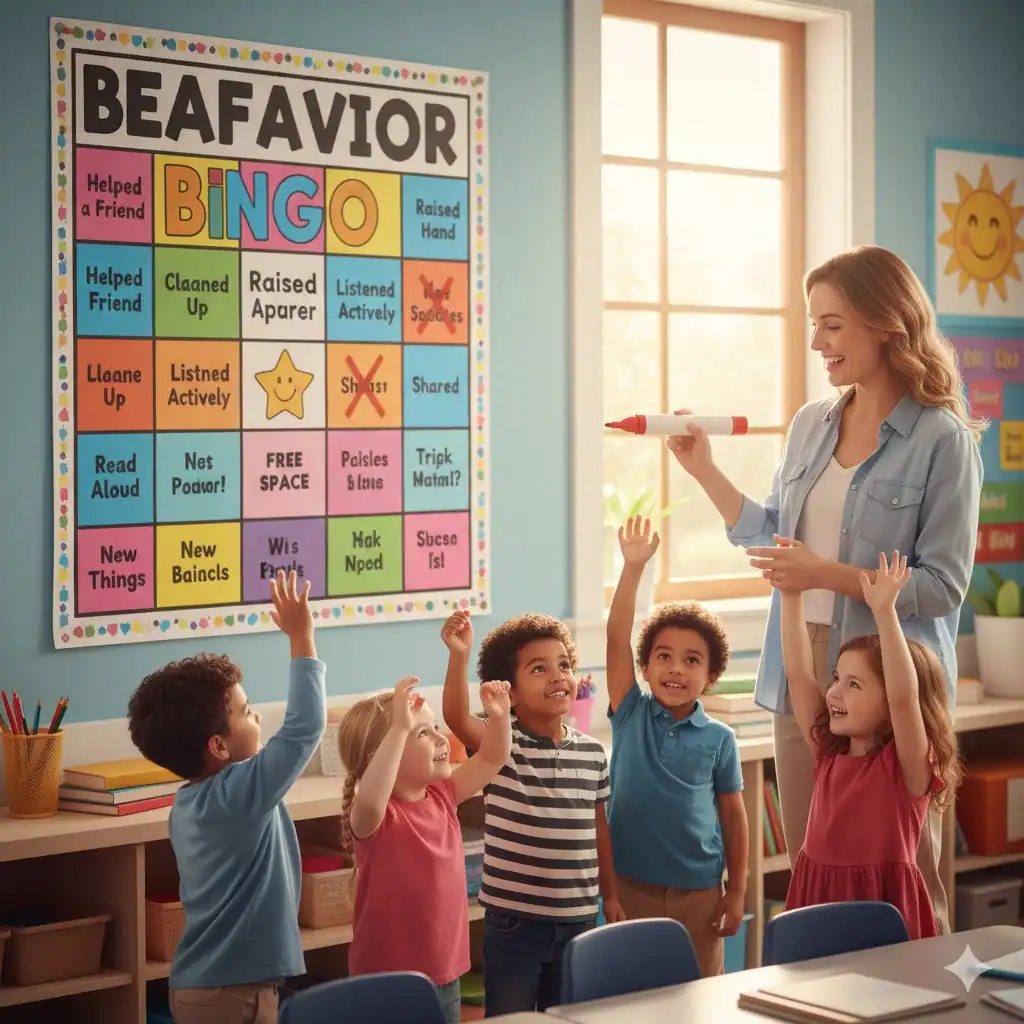
Bingo—but make it behavior-based. Create a 5×5 board with goals like “Helped a friend,” “Listened the first time,” or “Stayed on task.” When a class achieves one, mark it off.
When they get Bingo, they earn a prize!
Why It Works:
- Gamifies good behavior
- Encourages class participation
- Fun for all ages
And let’s be real—students get way too excited about shouting “BINGO!” It’s worth it for that alone.
8. The Ladder Chart
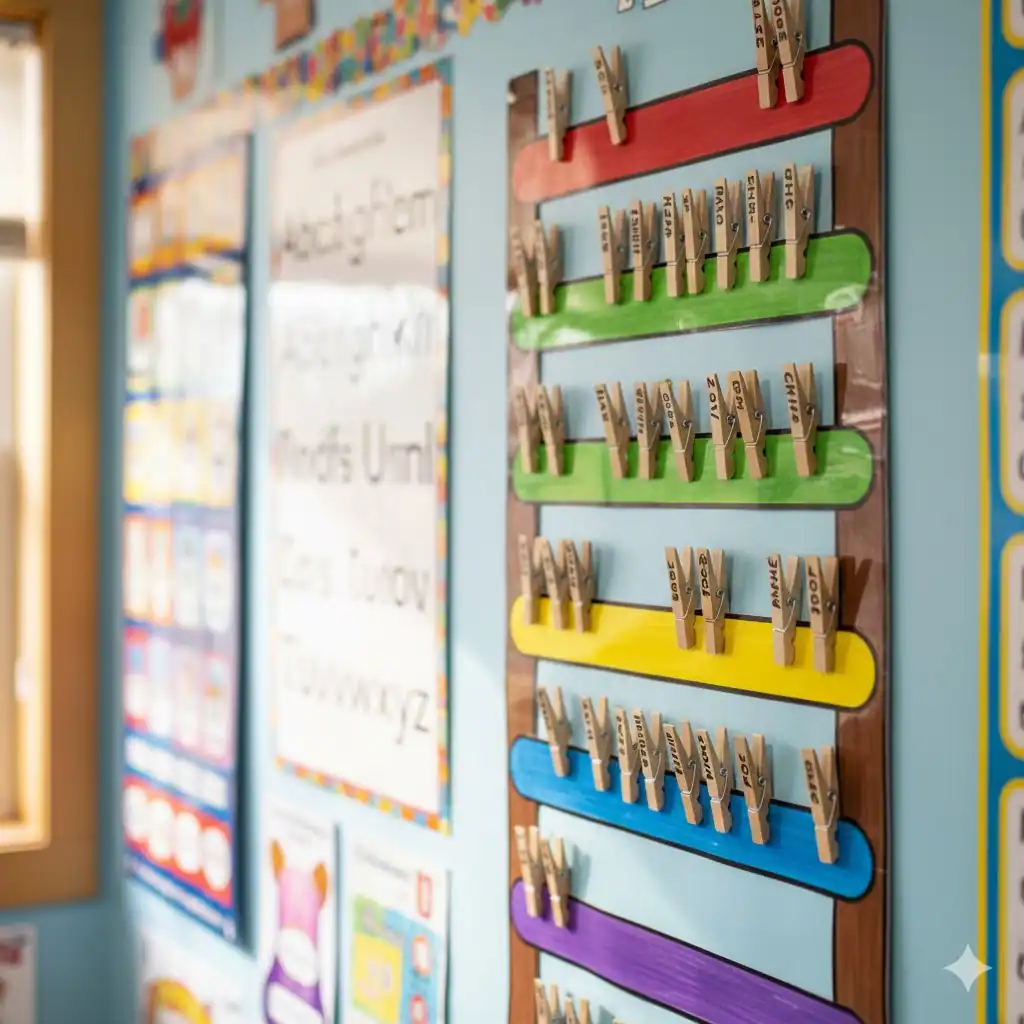
Think of it as a progress tracker for personal growth. Students climb “rungs” on a ladder each time they demonstrate positive traits like kindness, effort, or teamwork.
Why It Works:
- Encourages consistency
- Promotes goal-setting
- Works great for long-term tracking
I like pairing it with real-life goals. For example, “Reach the top, and you get to be teacher for a day.” It’s amazing what kids will do for five minutes of fake authority. 😂
9. The Emoji Chart
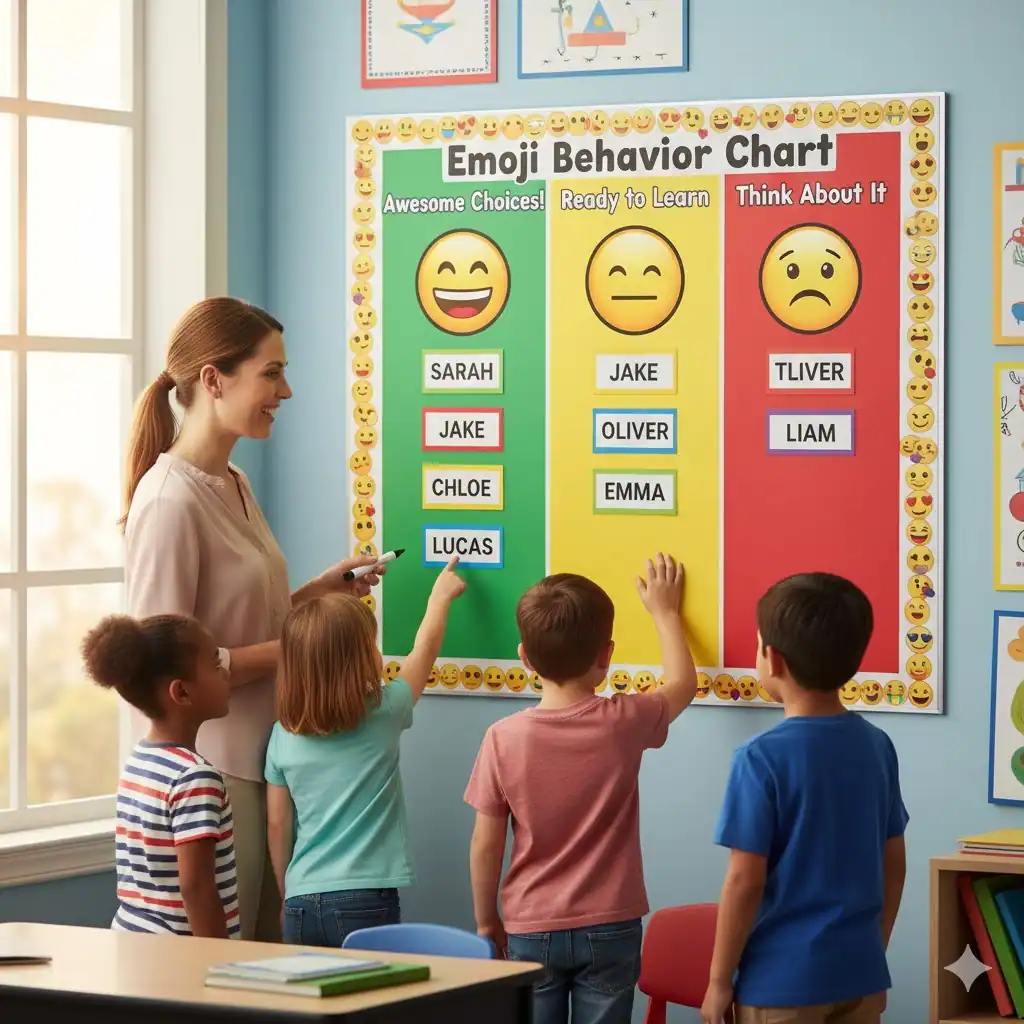
Kids live for emojis, so why not use them for behavior? Create a chart with emojis representing different moods or behaviors—happy face for great behavior, neutral for okay, sad face for “uh-oh.”
Why It Works:
- Simple and relatable
- Perfect for visual learners
- Helps students identify emotions
Sometimes I even let kids design their own emoji faces. Spoiler: they always add one that’s just “tired.” Same, honestly.
10. The Behavior Thermometer
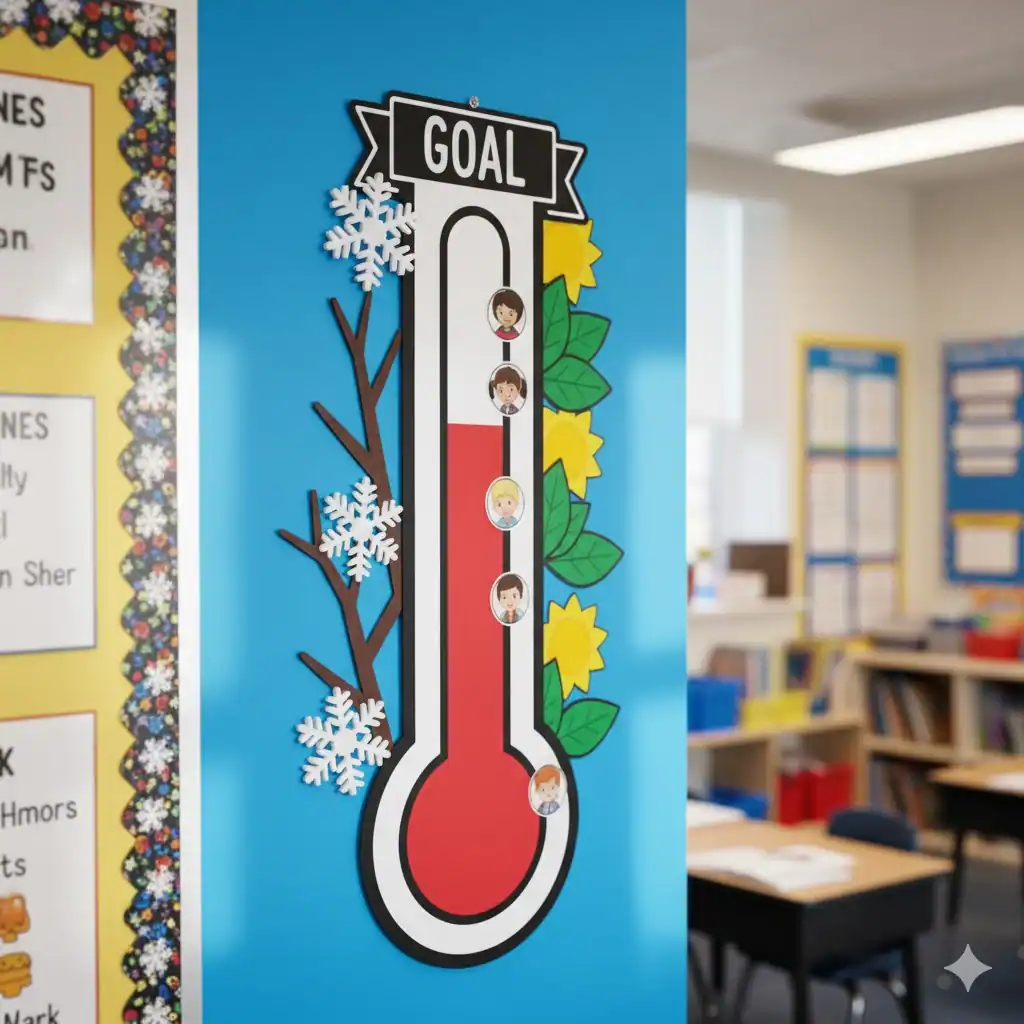
This one’s perfect for visual learners. The “thermometer” goes up as behavior improves. When it hits the top, the class earns a treat.
Why It Works:
- Easy to understand
- Reinforces teamwork
- Visual motivation
You can decorate it seasonally too—snow for winter, sunshine for summer. It’s basically a behavior chart and art project rolled into one.
11. The Punch Card System
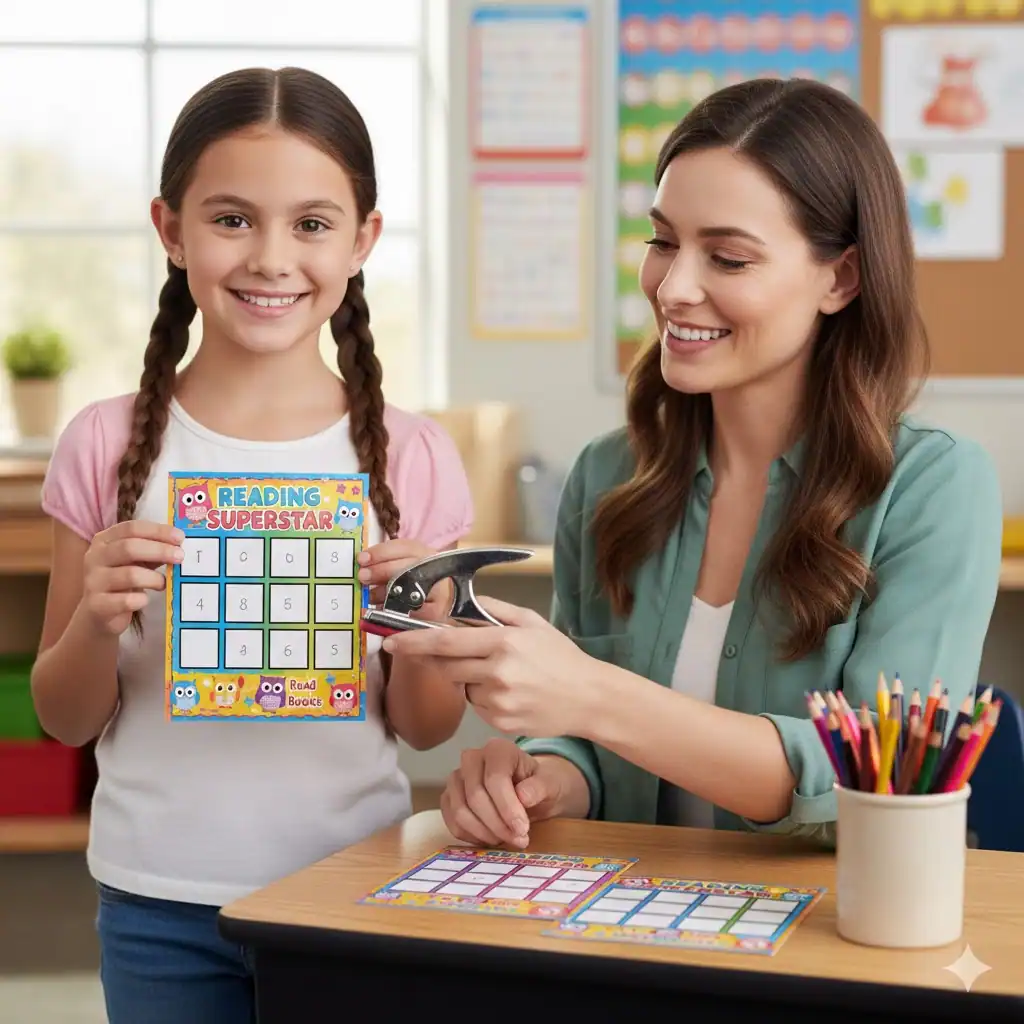
Each student gets a punch card (think coffee shop loyalty card). Every time they follow rules or meet goals, they get a punch. Fill the card, earn a prize.
Why It Works:
- Great for older kids
- Tangible progress tracking
- Encourages personal responsibility
I once had a student guard their punch card like it was gold. Honestly, that level of commitment was impressive.
12. The Classroom Behavior Wheel
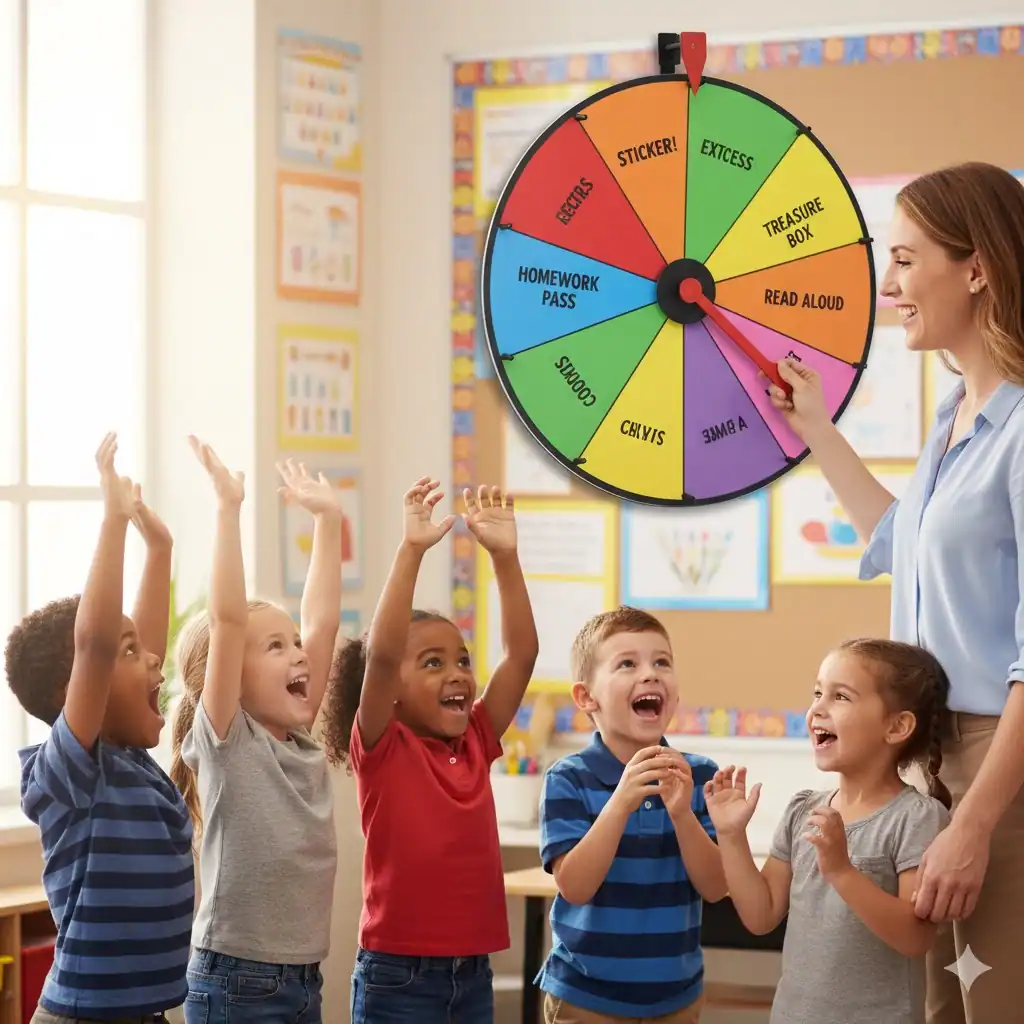
Spin the wheel, win the… responsibility. 😂 This chart features a wheel of rewards or tasks—students spin it when they achieve something positive (or occasionally when they don’t).
Why It Works:
- Adds excitement
- Randomized rewards
- Fun daily ritual
Nothing gets a kid’s attention like the chance to spin something colorful and mysterious.
13. The “Secret Student” Chart
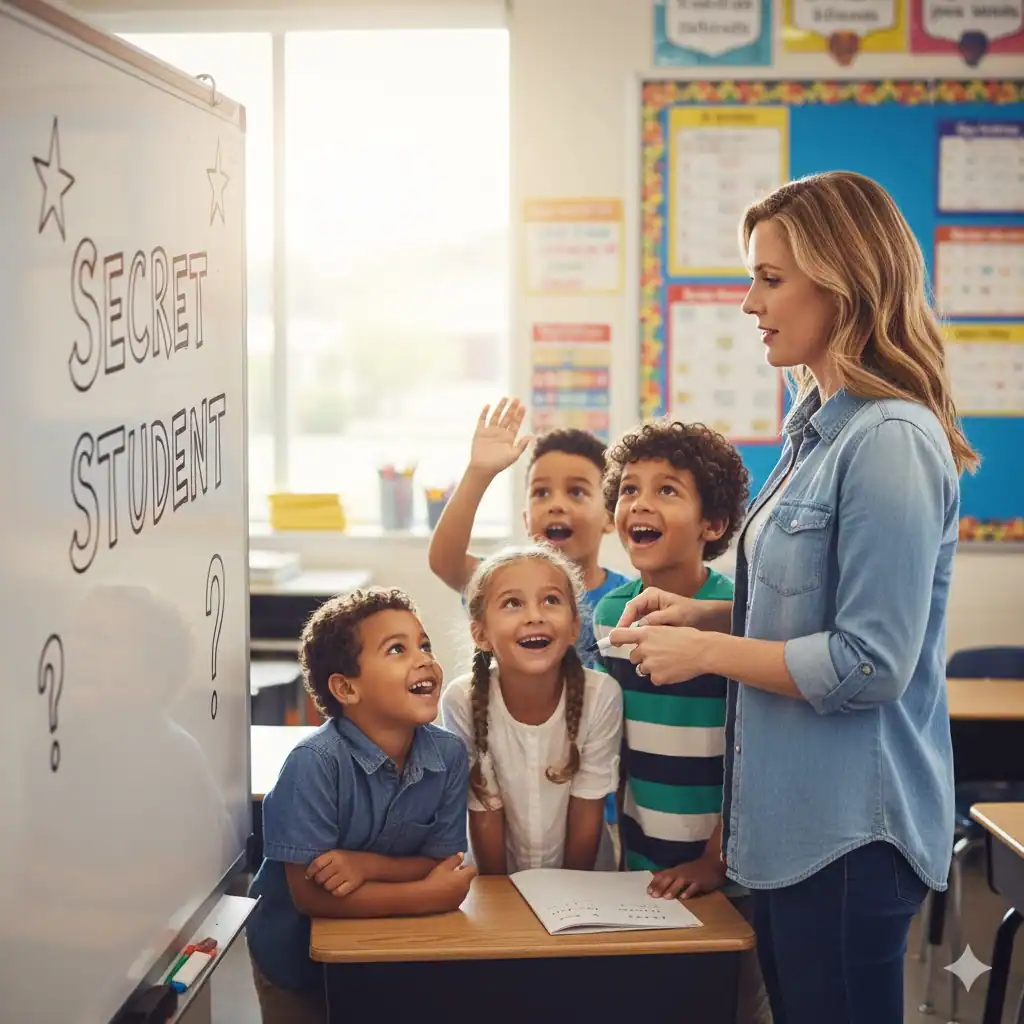
Here’s a fun twist: each day, secretly choose one student. Don’t tell them who. If they behave well all day, they earn a class reward. If not, no reward is revealed.
Why It Works:
- Keeps everyone on their toes
- Promotes consistent behavior
- Encourages fairness
It’s sneaky, effective, and honestly kind of genius.
14. The Behavior Calendar
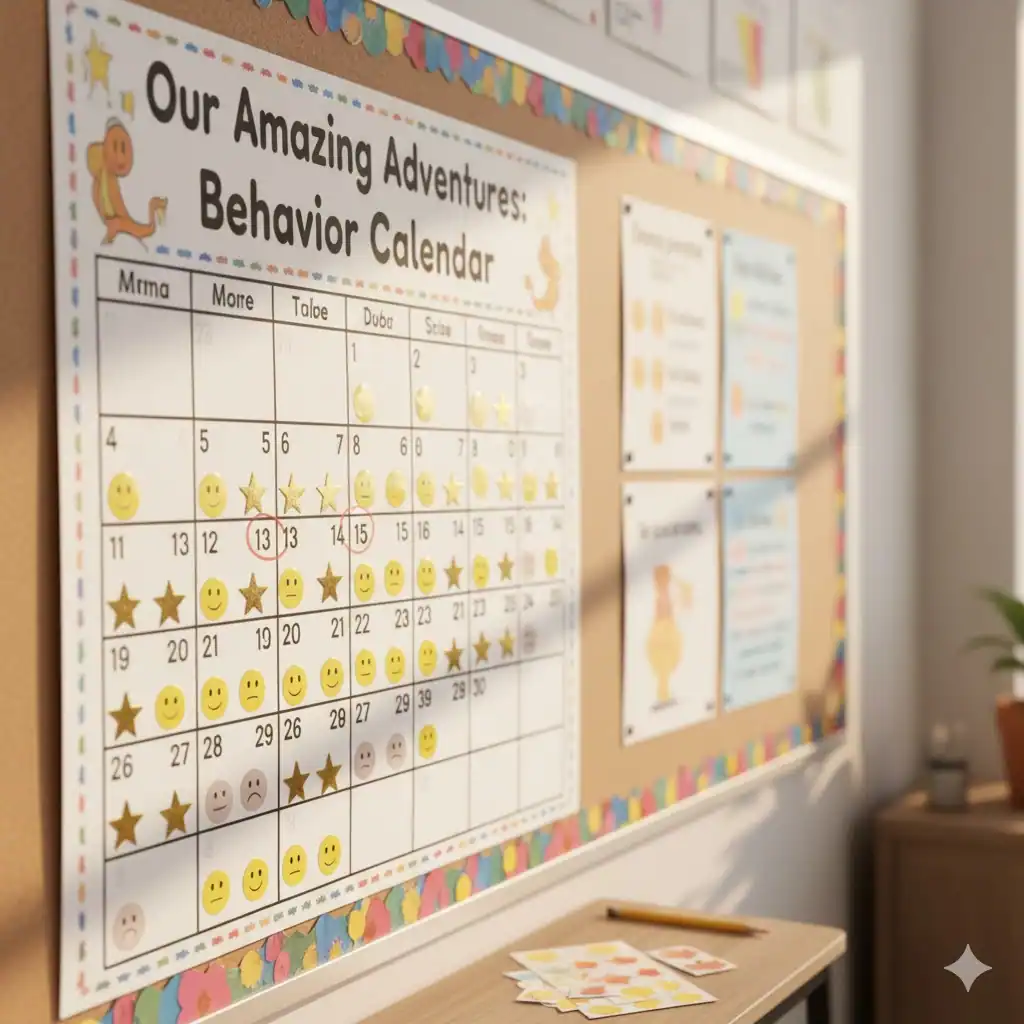
Instead of daily tracking, use a monthly calendar to record behavior trends. Each day gets a color or symbol for the student’s overall behavior.
Why It Works:
- Helps identify patterns
- Encourages reflection
- Perfect for parent-teacher discussions
Plus, it makes kids feel like they’re running their own little “life tracker.” Very adult of them.
15. The Positive Note Chart
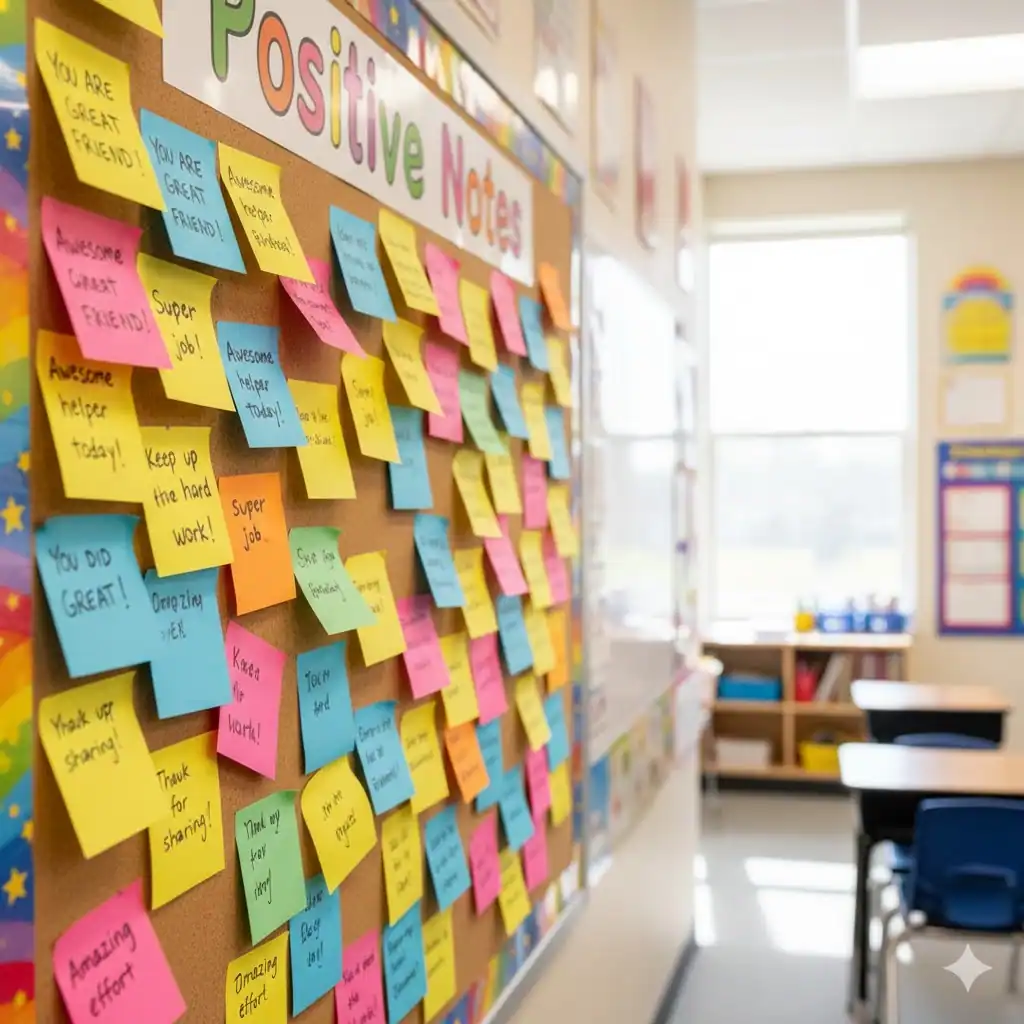
Every time a student does something awesome, post a note on a classroom wall or bulletin board. Notes could say things like, “You rocked that math quiz!” or “Thanks for helping a classmate.”
Why It Works:
- Boosts confidence
- Builds positive culture
- Encourages peer recognition
I’ve seen kids beam with pride when they see their name on that wall. It’s wholesome, uplifting, and reminds you why teaching rocks.
Extra Tips to Make Behavior Charts Actually Work
Charts are cool, but let’s be honest—they’re only as good as the consistency behind them. You can’t just slap a chart on the wall and expect miracles. Here are a few quick tips that make a big difference:
- Stay Consistent. Kids notice everything. If you skip days, the system loses its magic.
- Keep It Positive. Focus more on rewarding good choices than punishing bad ones.
- Get Students Involved. Let them help design or decorate the chart—it boosts ownership.
- Switch Things Up. Don’t stick with one system forever. Rotate every few months to keep things fresh.
- Celebrate Small Wins. Sometimes a simple “good job” or smiley face sticker goes a long way.
- Immediate feedback: Kids see how their actions affect outcomes right away.
- Positive reinforcement: They start associating good behavior with rewards.
- Goal setting: Progress becomes tangible, which motivates them to keep improving.
- Sense of control: Students feel they can change their day, even after mistakes.
Behavior charts tap into what every human (yes, even tiny ones) loves—recognition and progress.
Common Mistakes Teachers Make (And How to Avoid Them)
Let’s be honest—we’ve all messed this up once or twice. If your chart flopped, don’t worry. Here’s what probably went wrong:
- Too Negative: If the chart focuses only on what kids did wrong, they lose motivation fast.
- Inconsistency: Forgetting to track or reward daily makes kids stop caring.
- Overcomplication: Too many rules or levels can overwhelm everyone (including you).
- No Reset System: Let students start fresh each day—nobody wants to live in “red zone” forever.
Fix these, and your chart will go from “meh” to “miracle worker.”
The Secret Sauce: Make It Personal
The best behavior chart is the one that fits your class personality. Some kids thrive on competition, others need gentle motivation. Mix, match, and customize until it clicks.
Once, I had a class obsessed with superheroes. So, we made a “Hero Ladder” where students climbed from “Sidekick” to “Legend.” It worked like magic because it connected to something they loved.
That’s the real trick—make the chart feel personal, not generic.
Final Thoughts: Keep It Fun, Keep It Real
At the end of the day, behavior charts aren’t just about rules—they’re about relationships. They help students feel seen, appreciated, and motivated.
When you mix structure with fun, kids actually want to do better. And honestly, that’s the dream, right? A classroom where you don’t have to nag every five minutes.
So go ahead—try one (or a few) of these 15 brilliant behavior charts for the classroom. Add your personal twist. Have fun with it. And maybe, just maybe, your classroom will feel a little less like chaos and a little more like magic. ✨
Because trust me—when behavior charts work, teaching feels a whole lot easier.