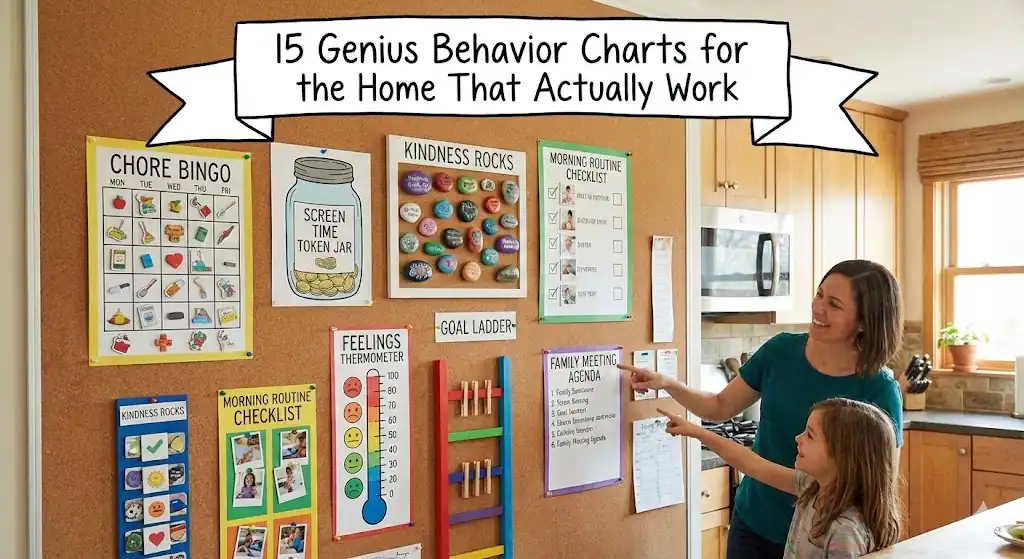
Let’s be honest — parenting is not for the faint-hearted. Between the meltdowns, the negotiations (“Just five more minutes, Mom!”), and the mysterious vanishing of homework, sometimes you just want a system that actually works. Enter: behavior charts for the home — your new secret weapon against chaos.
Now, I’m not talking about those boring sticker charts that lose their magic after three days. Nope. I’m talking about genius, creative, and fun behavior charts that make your kids want to behave (yes, that’s possible!).
I’ve personally tried a few of these at home, and let’s just say — my sanity levels have never been higher. So grab your coffee, pull up a chair, and let’s chat about 15 behavior charts for the home that actually work (and maybe even make parenting fun again).
Why Behavior Charts for the Home Actually Work
You might wonder — why do these simple charts work so well? It’s not just the stickers or rewards. It’s the psychology of visibility and accountability.
When kids see their progress, they feel empowered. It turns behavior into something they can control, measure, and celebrate. That’s powerful stuff!
Plus, behavior charts give structure — and kids thrive on structure. They love knowing what’s expected and what happens when they meet (or miss) those expectations.
And honestly? Parents benefit too. You get fewer battles, less stress, and more peaceful routines. Basically, it’s a family win all around.
1. The “Mission Possible” Chart
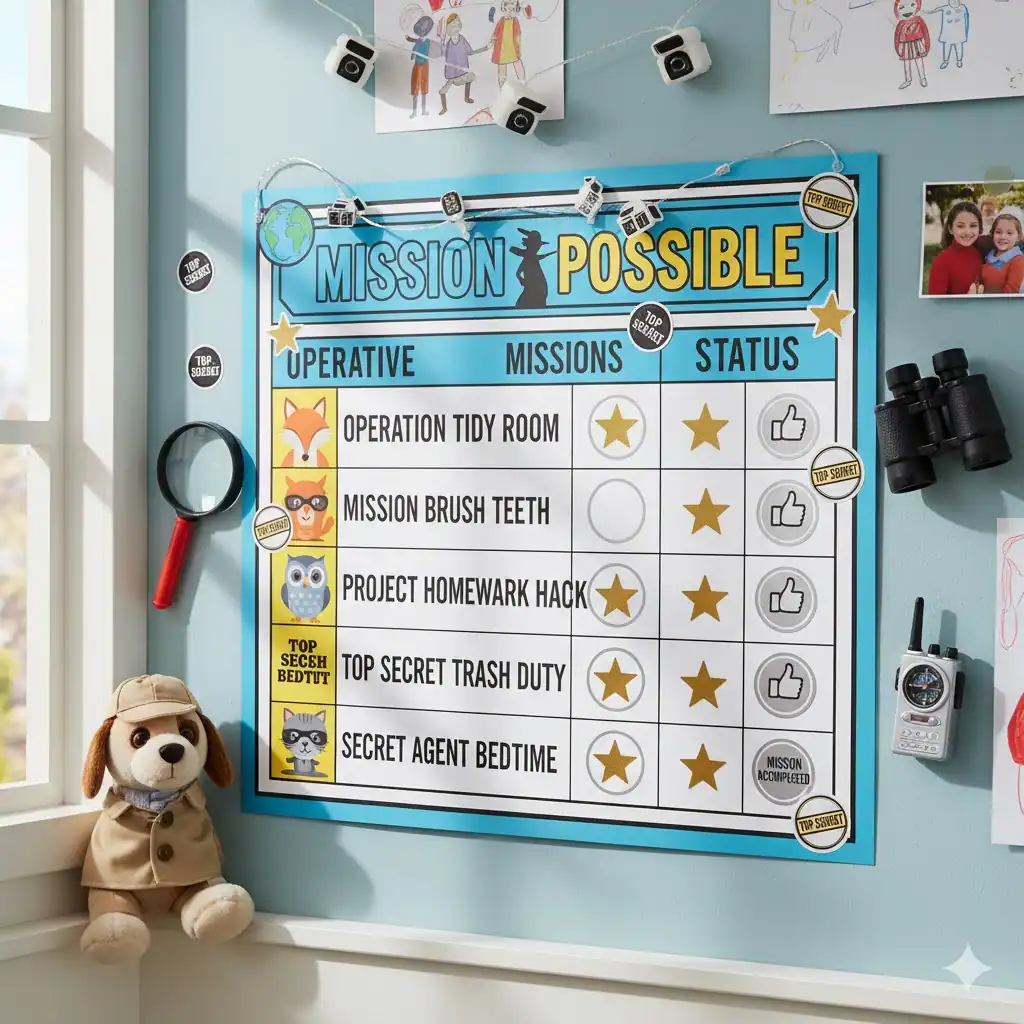
If your kid loves pretending to be a secret agent (who doesn’t?), this chart turns daily tasks into exciting missions.
How it works:
Every day, assign “missions” like Operation Tidy Room or Mission Brush Teeth. Each completed mission earns a stamp or “top secret” sticker.
Why it works:
Kids love role-play, and framing chores as missions makes them feel important and capable. Plus, you get a clean house without a single argument. Win-win!
Ever tried convincing a six-year-old to pick up toys? This chart might just save you from that battlefield.
2. The “Good Vibes Only” Chart
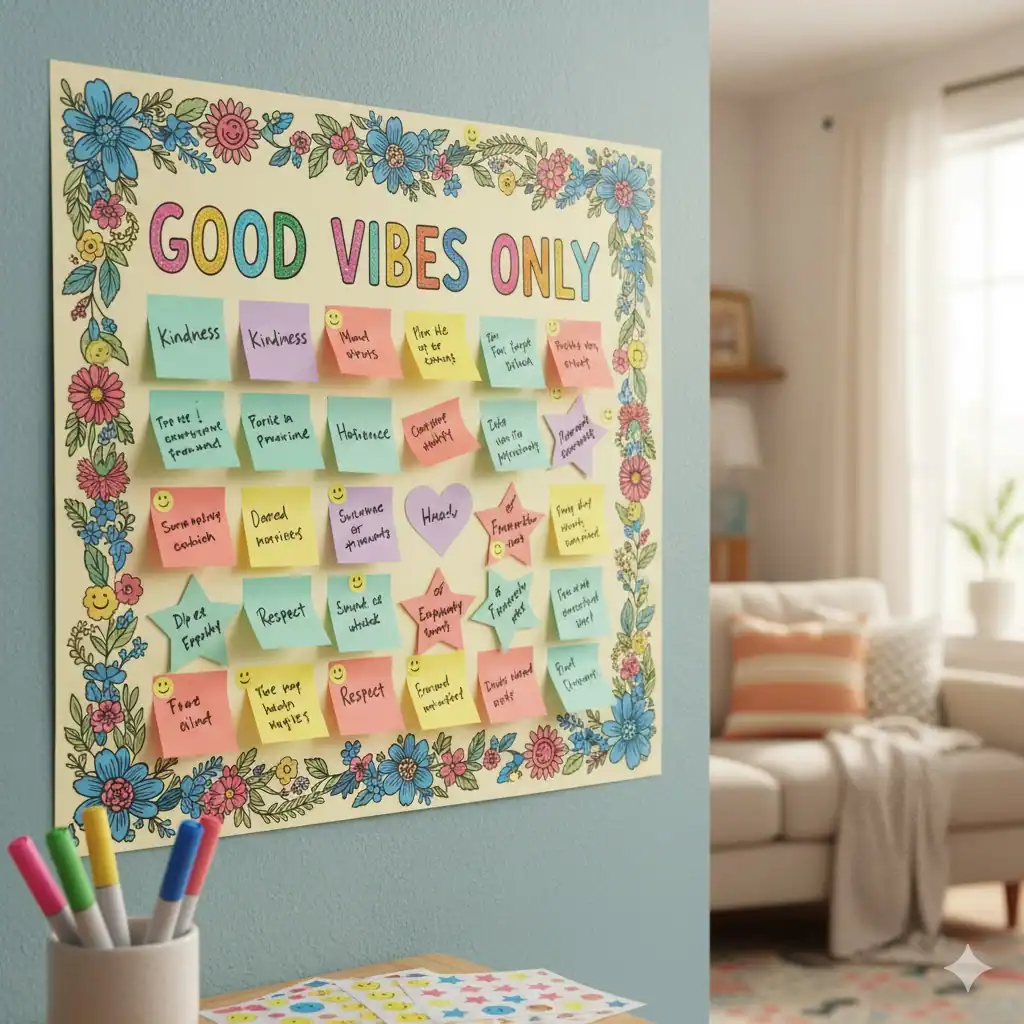
This one focuses on emotional behavior — because managing feelings is just as important as finishing homework.
How it works:
Every family member (yes, even you!) writes one positive act or emotion they practiced that day: kindness, patience, honesty, etc.
Why it works:
It shifts the focus from punishment to positivity. You’re not pointing out what went wrong — you’re celebrating what went right.
Bonus: It’s a sneaky way to get kids to reflect on their behavior and emotional growth.
3. The “Sticker Storyboard”
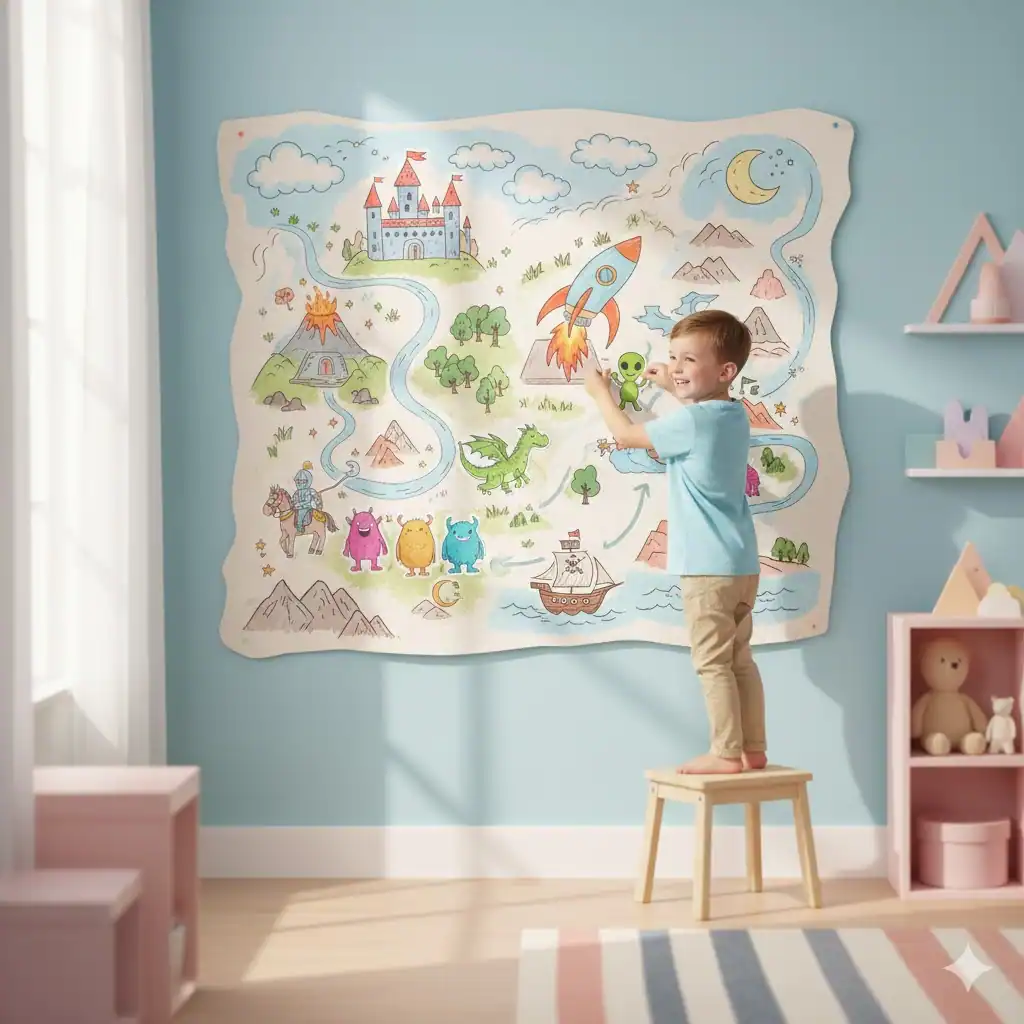
Ever noticed how kids love stickers but get bored of plain grids? This chart takes stickers to the next level.
How it works:
Each sticker placement adds to a story — a dragon climbs a mountain, a rocket reaches space, or a mermaid builds her underwater castle.
Why it works:
Kids get excited to “finish the story,” so they stay motivated to earn each sticker.
FYI, this one doubles as a wall decoration. My kid calls hers “The Great Dragon Adventure,” and honestly, I kind of love it too.
4. The “Morning Hustle” Chart
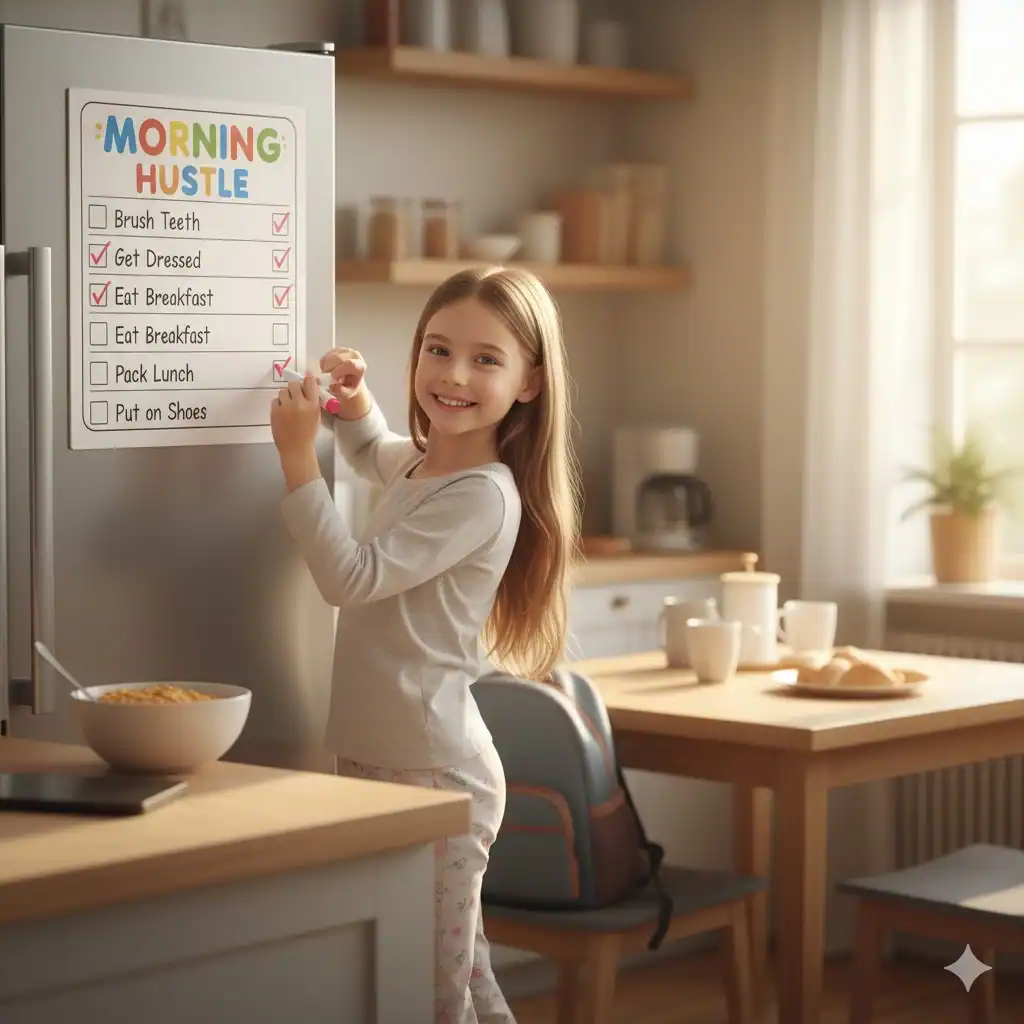
Mornings can be pure chaos. (Raise your hand if you’ve ever had to say “Put your shoes on!” more than five times before 8 a.m.)
How it works:
Break down the morning routine — brushing teeth, packing lunch, getting dressed — into small checkboxes. Add points for finishing each task on time.
Why it works:
Kids love racing the clock, and this chart turns mornings into a fun competition instead of a yelling match.
You might even have time for coffee before leaving the house. Imagine that. ☕
5. The “Family MVP” Chart
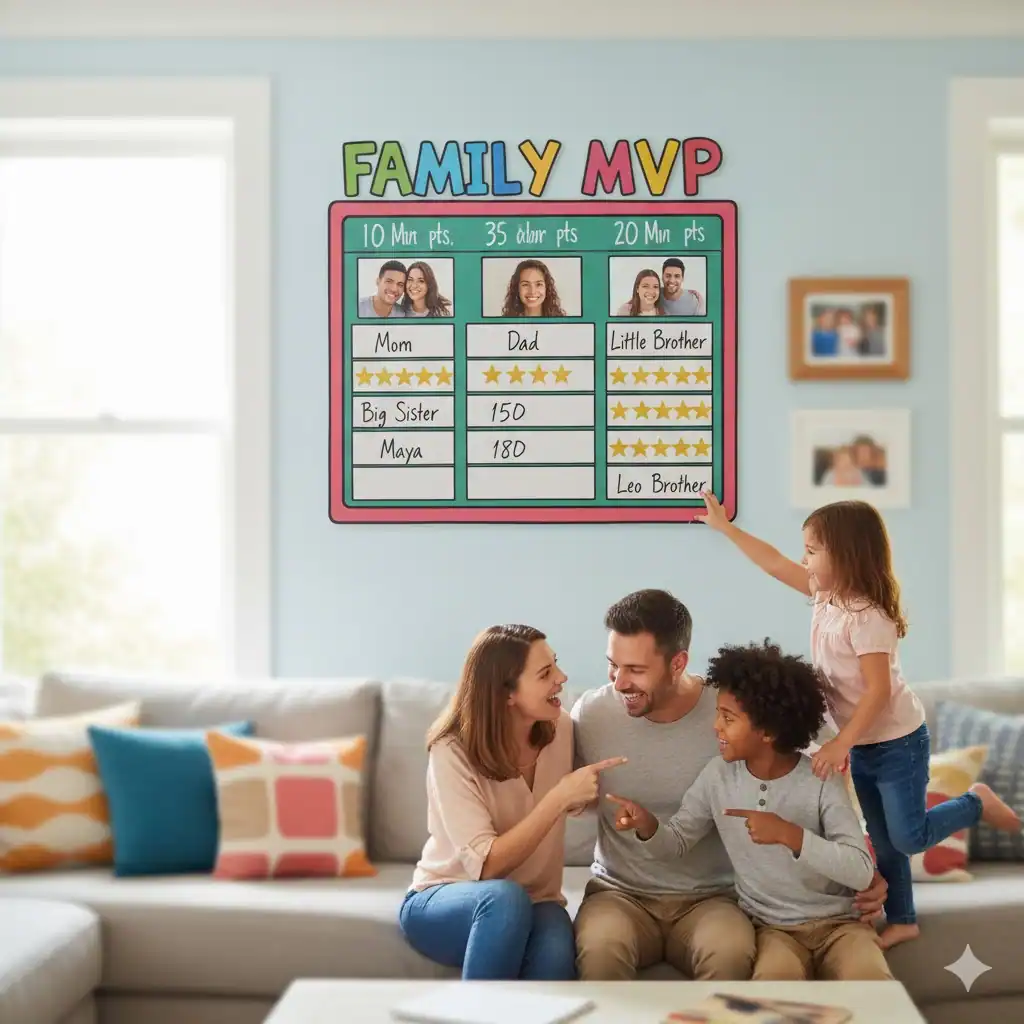
This one turns family cooperation into a friendly game.
How it works:
Create a scoreboard where everyone earns points for helpful acts — setting the table, helping a sibling, feeding the pet, etc.
Why it works:
It encourages teamwork instead of rivalry. And trust me, nothing motivates kids like a chance to beat Dad at something.
At the end of the week, the “Family MVP” gets a simple reward — choosing movie night, picking dessert, or wearing a silly crown (my personal favorite 😆).
6. The “Kindness Coins” Chart
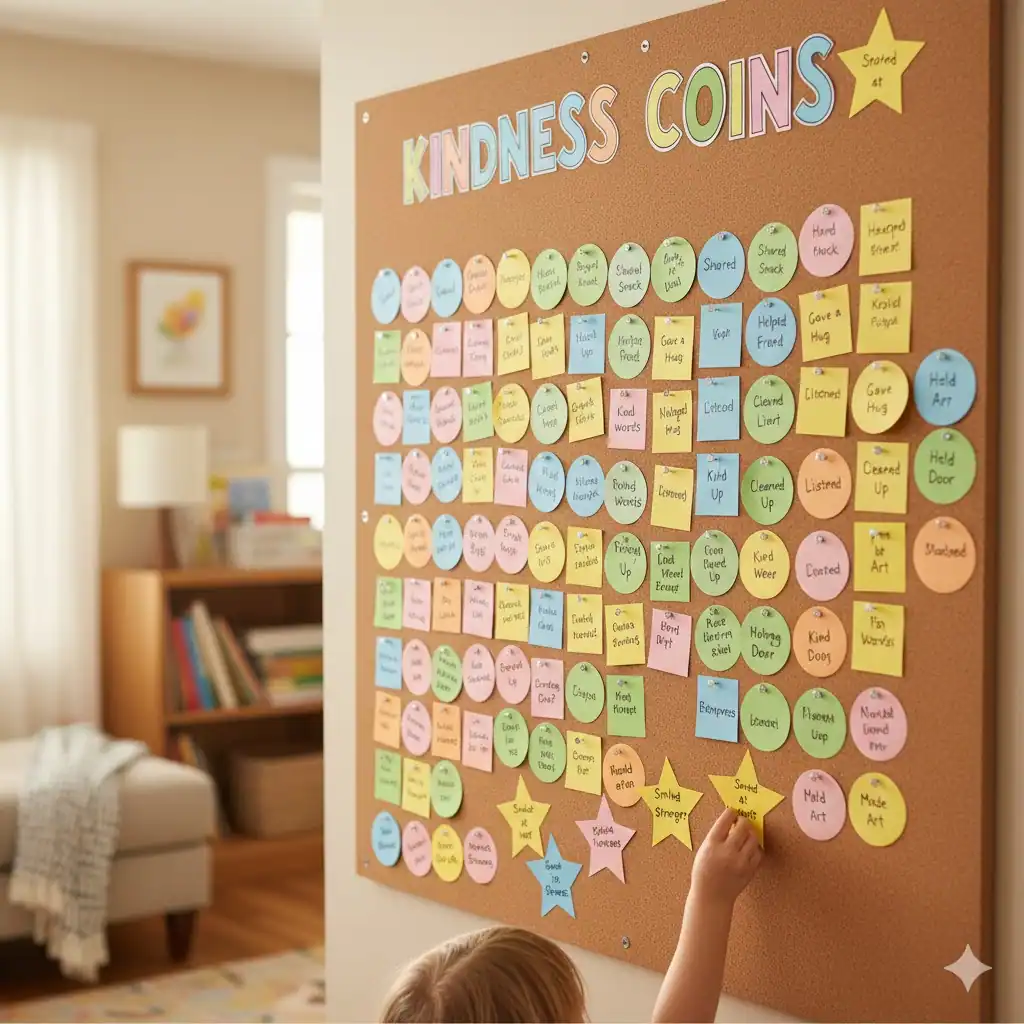
This one’s for building empathy.
How it works:
Every time your child does something kind — shares, compliments someone, or helps out — they earn a paper “coin” to stick on their board.
Why it works:
Kindness becomes something visible and celebrated. Over time, you’ll notice your kids doing kind things just to earn coins — and eventually, just because it feels good.
Honestly, it works on adults too. Just saying.
7. The “Tech Time Tracker”
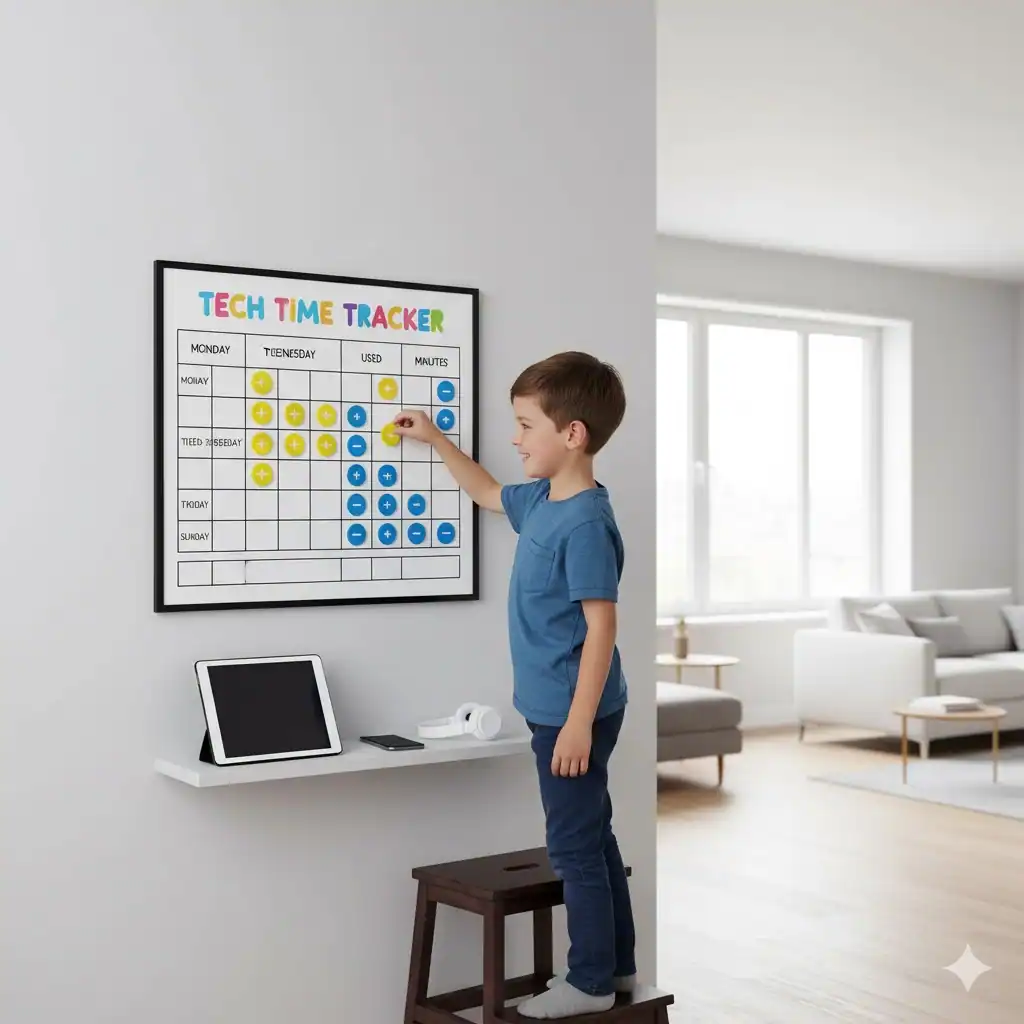
Tired of negotiating screen time limits? This chart keeps things fair and crystal clear.
How it works:
Kids earn minutes of screen time for completing chores, reading, or exercising. They lose minutes for skipping responsibilities.
Why it works:
It teaches accountability and time management — and saves you from endless “Can I play now?” debates.
Trust me, this chart could save your Wi-Fi sanity.
8. The “Habit Hero” Chart
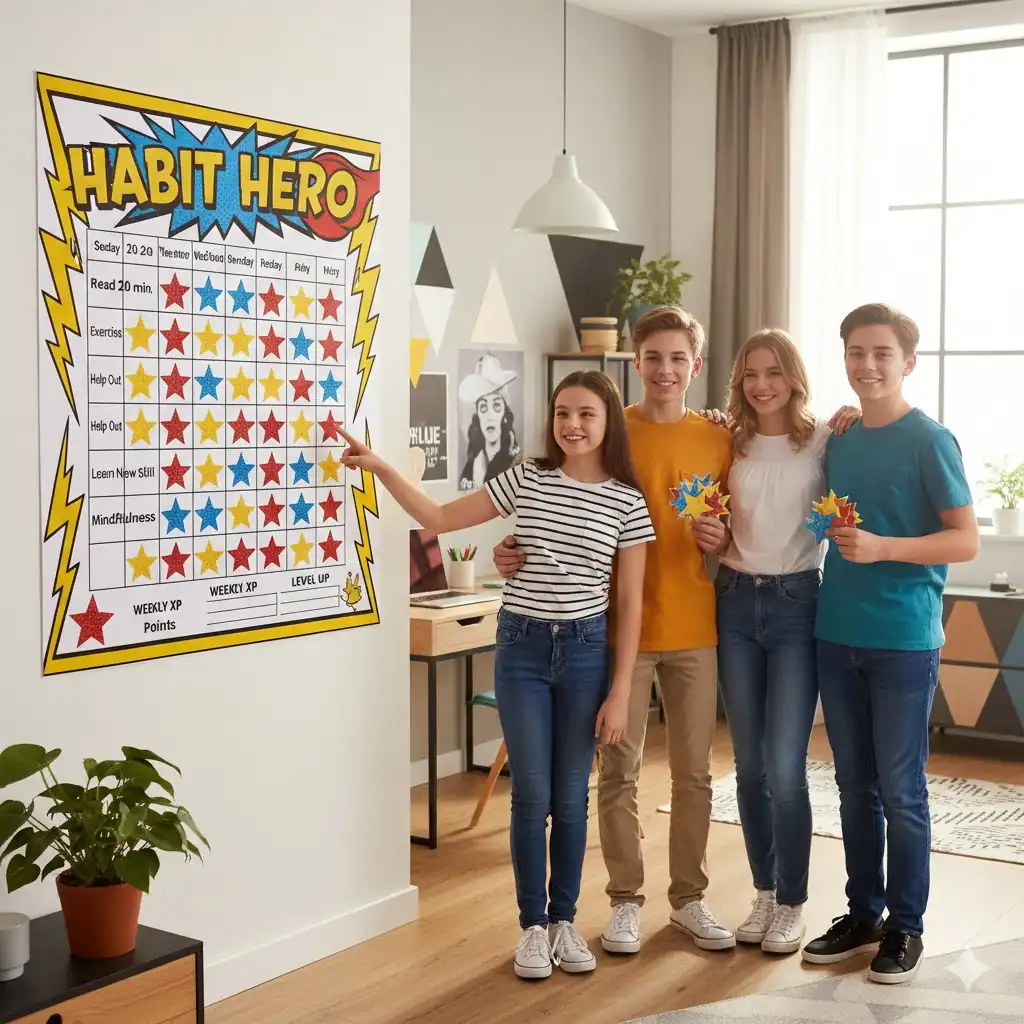
Perfect for slightly older kids who are ready to level up their routines.
How it works:
List daily or weekly habits — reading, journaling, exercising, helping out. Each completed habit earns stars or points.
Why it works:
It builds discipline and consistency. And when kids see progress visually, they feel proud (and motivated to keep going).
IMO, it’s never too early to teach self-improvement — just keep it light and fun.
9. The “Oops & Wins” Chart
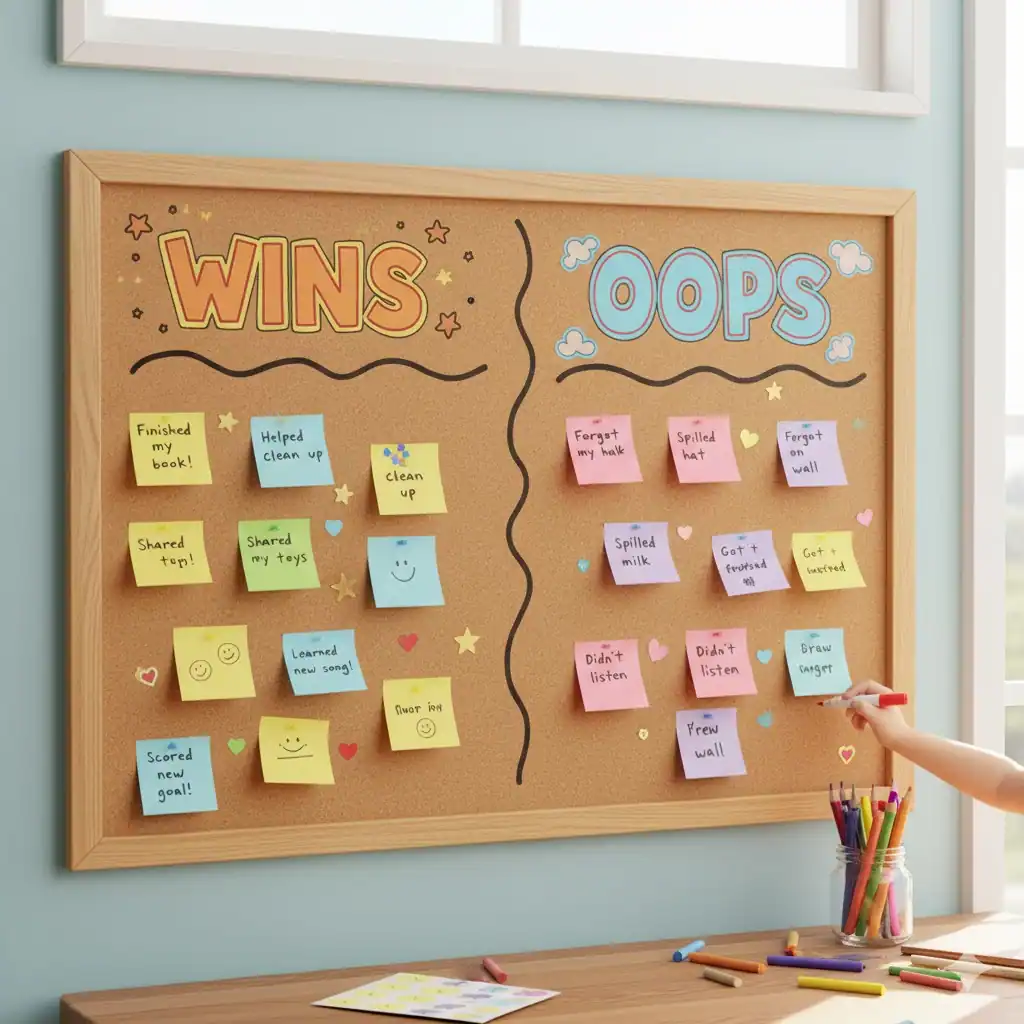
Let’s be real — nobody’s perfect. This chart helps kids learn from mistakes without guilt.
How it works:
Each day, write one “win” (something done well) and one “oops” (something to improve).
Why it works:
It creates space for reflection and honesty. Instead of punishment, it encourages self-awareness and growth.
You’ll be surprised how much wisdom a seven-year-old can drop when they start reflecting on their “oops moments.”
10. The “Adventure Map” Chart
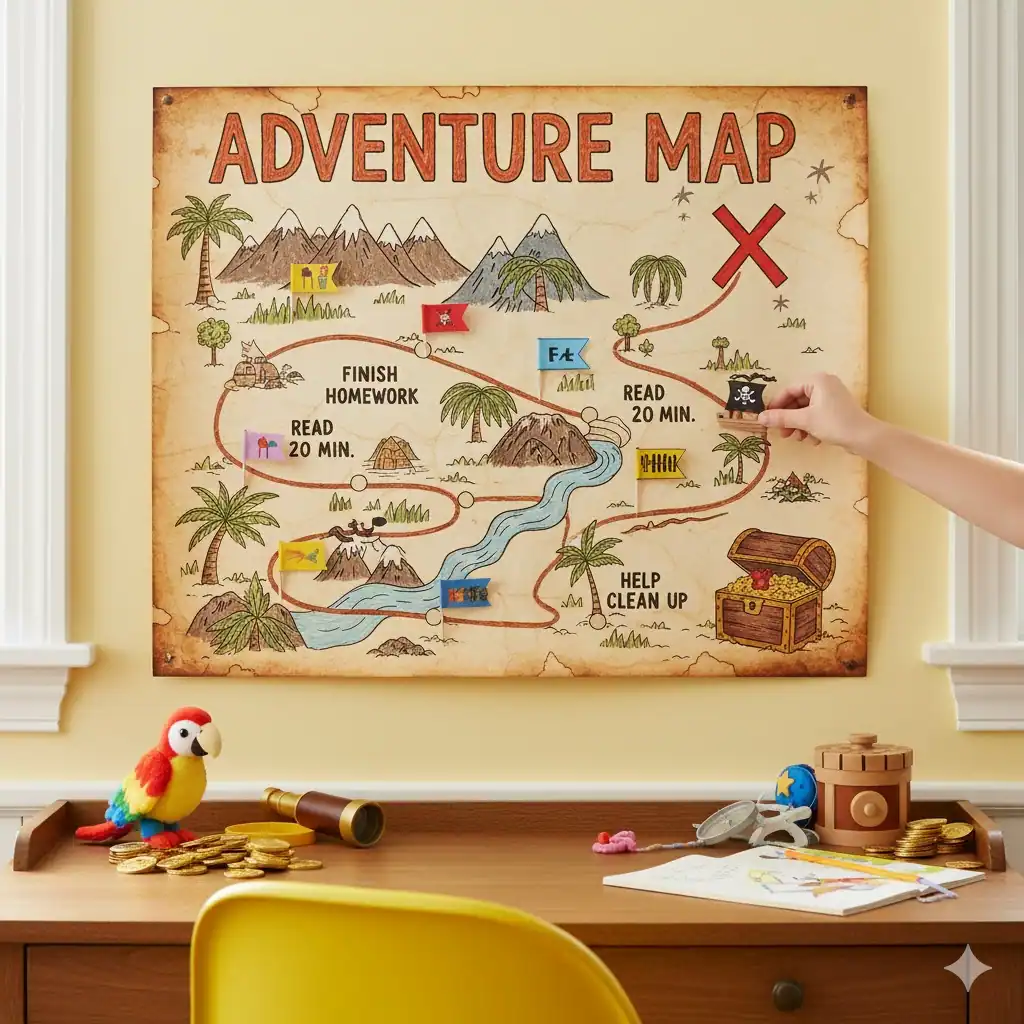
For kids who love exploring (and maybe your inner child too).
How it works:
Draw a treasure map with small checkpoints representing daily or weekly goals. Each goal achieved moves the marker closer to the treasure.
Why it works:
It’s visual, exciting, and endlessly customizable. You can make it about pirate adventures, space exploration, or fairy kingdoms.
And the treasure? Doesn’t have to be big — maybe just a fun family outing or extra bedtime story.
11. The “Sibling Showdown” Chart
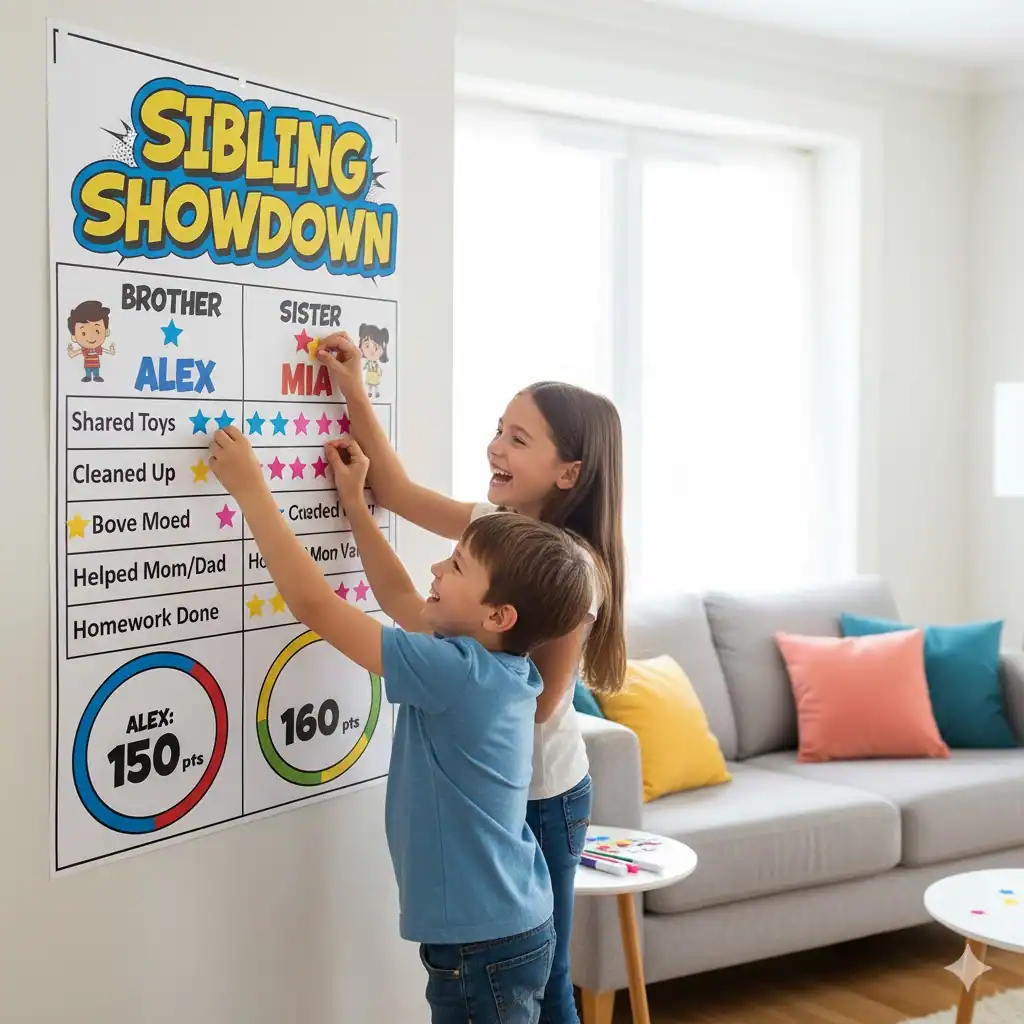
Okay, don’t panic — this isn’t about turning siblings into rivals (although a little competition doesn’t hurt 😅).
How it works:
Each sibling earns points for cooperation, helping each other, or showing respect.
Why it works:
It flips the usual sibling rivalry into a team effort. Kids start wanting to help each other just to see their combined score rise.
FYI: Works best when you throw in a “joint reward” — like a fun trip or game they both love.
12. The “Daily Chill Chart”
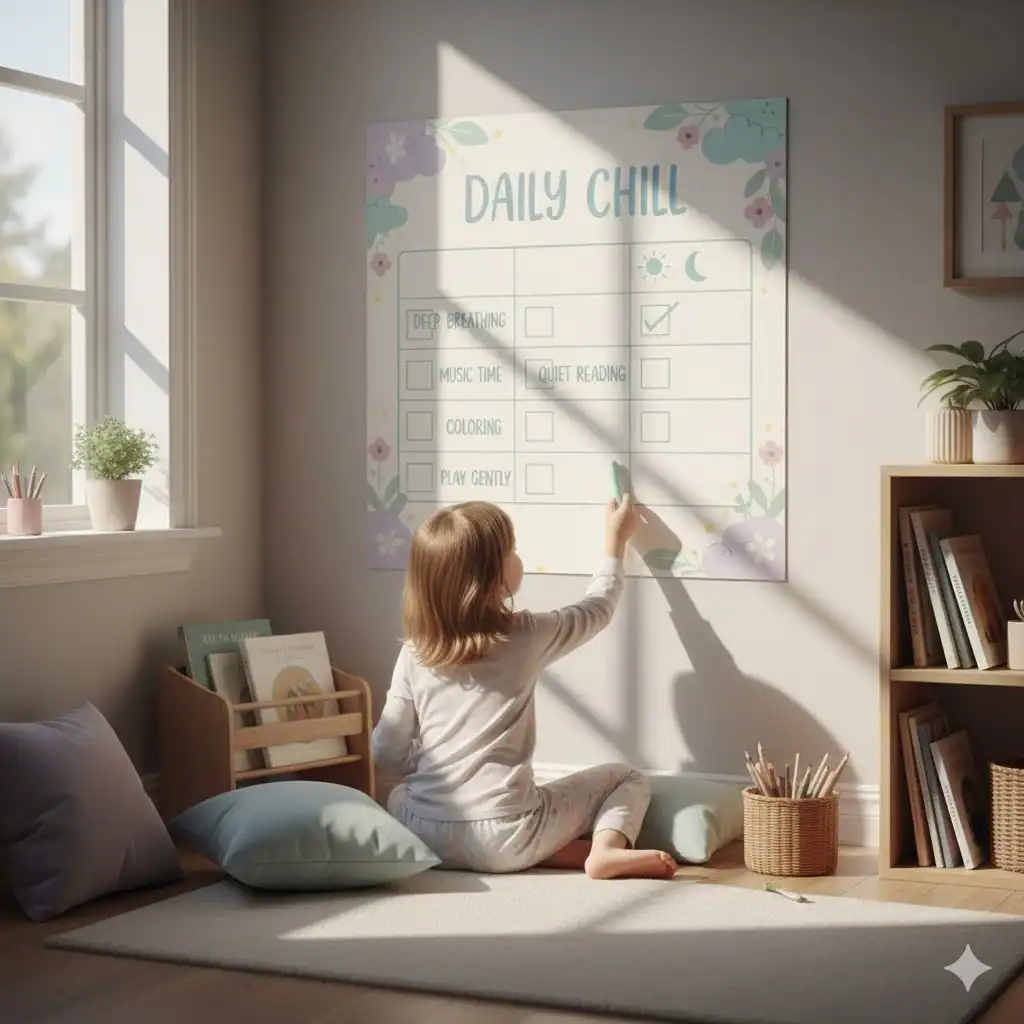
This one’s a lifesaver for anxious or high-energy kids (and parents).
How it works:
Create a list of calming activities — breathing exercises, journaling, listening to music, or just quiet reading. Kids check off one or two each day.
Why it works:
It teaches emotional regulation and self-care. Plus, it gives kids tools to calm themselves instead of depending on you to fix every meltdown.
If you’ve ever wished for 10 minutes of peace, this one’s for you. 🙂
13. The “Responsibility Roadmap”
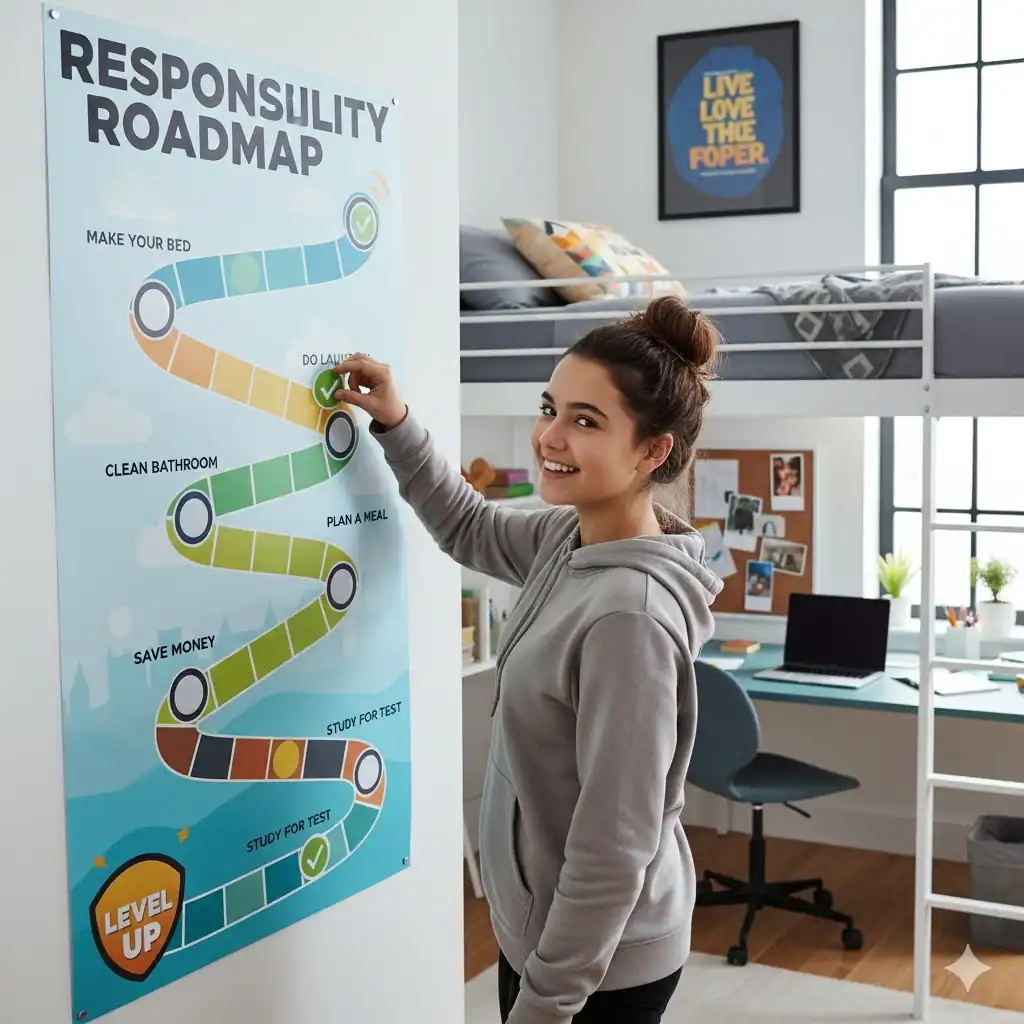
This one’s great for older kids or teens who crave independence (and want to feel trusted).
How it works:
Lay out milestones like “Pack school bag on your own,” “Plan a meal,” or “Do laundry without reminders.”
Why it works:
It gives kids a sense of control and pride. You’re not nagging — you’re mentoring.
You’ll start hearing, “Don’t worry, I got it,” and honestly, that’s music to a parent’s ears.
14. The “House Harmony” Chart
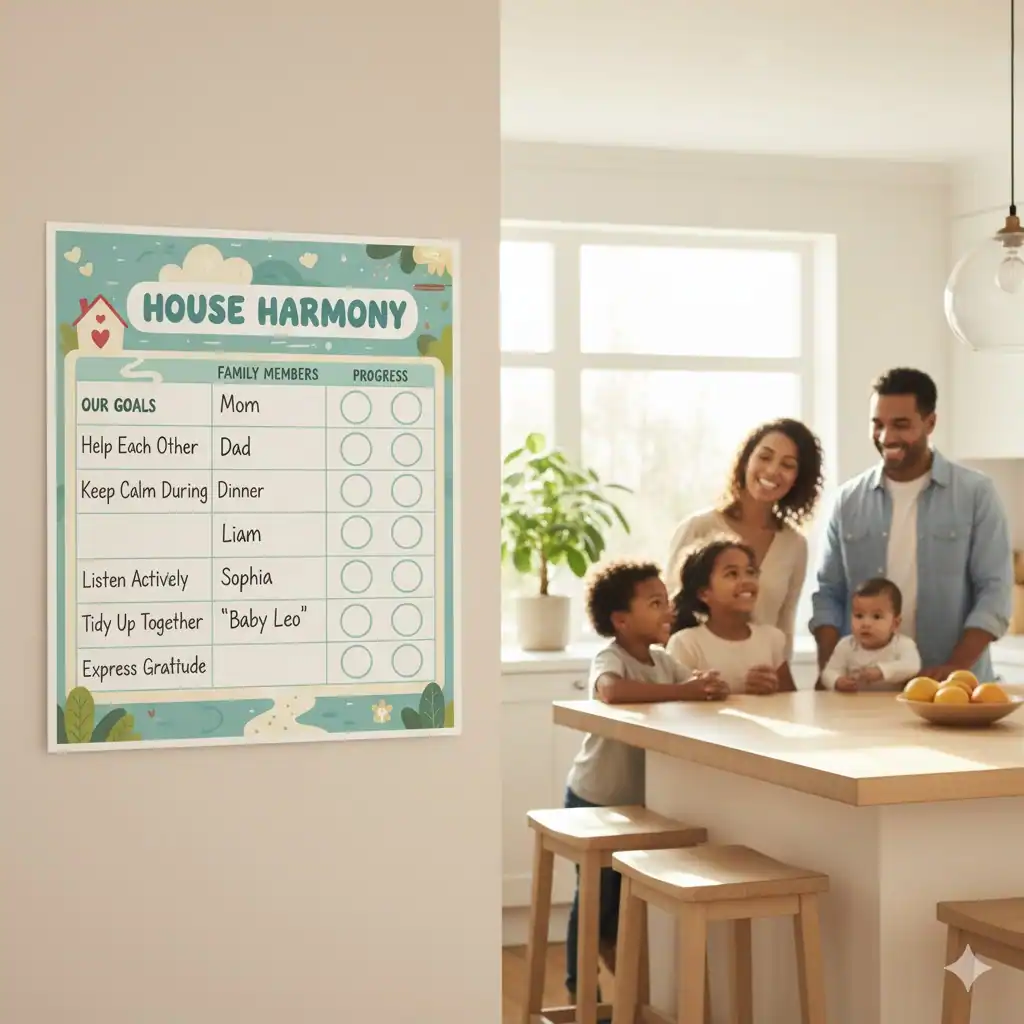
If you’ve got multiple family members with clashing routines (a.k.a. every household ever), this chart helps keep everyone on the same page.
How it works:
Post shared family goals — “No yelling during dinner,” “Help each other for 10 minutes daily,” or “Keep common areas clean.”
Why it works:
It builds teamwork and shared accountability. Everyone contributes to the same peace-and-quiet mission.
You’ll be surprised how quickly the house vibe improves when everyone’s aiming for the same goal.
15. The “Dream Big” Chart

Let’s end on a motivational note. This one helps kids visualize their long-term goals — and the small steps it takes to reach them.
How it works:
Kids write one big dream (learn piano, build LEGO city, become a YouTuber, whatever). Then, they break it into smaller weekly steps.
Why it works:
It teaches persistence and goal-setting. Kids realize that success comes from consistent effort — not magic.
And when they finally tick off that last step? It’s a proud-parent moment you won’t forget.
Tips for Making Behavior Charts Work (Without Losing Your Mind)
Okay, so you’ve got your chart idea — but how do you make sure it doesn’t fizzle out by day three? Here’s what I’ve learned from trial and error (mostly error 😅):
- Keep it visual and fun. Use colors, stickers, and characters your kids love.
- Set realistic goals. Don’t expect instant perfection. Focus on small wins first.
- Be consistent. Update the chart daily. Skipping days makes kids lose interest fast.
- Celebrate progress, not perfection. Even partial success deserves recognition.
- Let your kids help design the chart. They’ll take ownership when they’re part of the process.
- Avoid over-rewarding. A simple “Great job!” can be as powerful as a big prize.
- Adapt as they grow. A chart that works for a six-year-old won’t impress a 12-year-old. Evolve it!
Remember, these charts aren’t about controlling your kids — they’re about teaching self-awareness, responsibility, and emotional balance.
Final Thoughts
So there you have it — 15 genius behavior charts for the home that actually work. Whether you’re battling bedtime chaos, constant bickering, or endless screen-time negotiations, there’s a chart here for you.
The trick? Make it fun, make it consistent, and make it meaningful.
At the end of the day, these charts aren’t just about behavior — they’re about building character, confidence, and connection.
And hey, if it means fewer meltdowns and more smiles around the house… I’d call that a total win. 😉
Now go grab those markers, tape up a chart, and get ready to see your home transform — one sticker at a time.