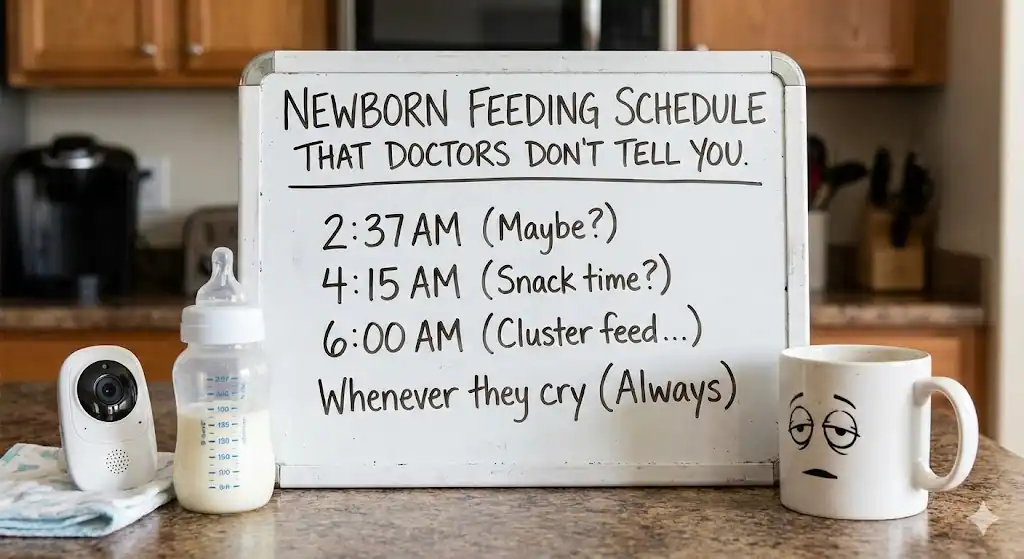

Ever had one of those days where your kid refuses to eat breakfast, your coffee goes cold, and you wonder if you’re even doing this “mom” thing right? Yeah, been there, done that — more than once. Parenting is this wild mix of chaos, love, exhaustion, and a ton of learning on the fly. But the good news? There are ways to make it smoother, calmer, and dare I say, fun (on most days 😅).
Let’s chat about 15 positive parenting solutions that every mom (and dad too, FYI) needs to know. These aren’t fancy textbook tricks — they’re real, tested, and grounded in connection, not control. So grab your coffee (before it gets cold again), and let’s get into it.
1. Listen Before You Lecture
We’ve all been there — your kid spills milk all over the couch, and your “mom voice” wants to come out like a siren. But here’s the thing: kids listen better when they feel heard first.
Instead of launching into “Why would you do that?”, try: “Hey, looks like that didn’t go as planned. What happened?” You’d be amazed at how often they already know they messed up and just need your understanding.
Pro Tip: Pause for a few seconds before reacting. That little gap can save you from a full-blown meltdown — yours and theirs. 😉
2. Focus on Connection Over Correction

Want your kids to respect you without yelling 24/7? Build a connection first. Connection is the foundation of cooperation.
Kids who feel emotionally safe are more likely to listen, help, and behave responsibly. So instead of threatening time-outs every five minutes, spend 10 minutes daily just being present — no phone, no chores, just you and them.
Ask questions like:
- “What made you laugh today?”
- “What’s something that bugged you?”
Those moments of connection build trust — and trust leads to better behavior.
3. Replace Punishments with Consequences That Teach
Punishment says, “You’re bad.” Consequences say, “You made a choice — now let’s fix it.” See the difference?
Positive parenting isn’t about letting kids off the hook. It’s about helping them understand the impact of their actions. For example:
- Instead of grounding them for forgetting homework, ask them to plan how to remember next time.
- Instead of yelling about the messy room, help them create a cleanup checklist.
You’re not the “mean mom” — you’re the “coach mom.” And honestly, that’s way more effective.
4. Model the Behavior You Want to See
Let’s be real — kids don’t listen as much as they watch. They’re basically tiny mirrors with louder voices.
If you yell when you’re frustrated, they’ll yell too. If you stay calm when things go wrong, they’ll eventually follow your lead.
So, when things get crazy (and they will), take a deep breath and say out loud: “I’m feeling upset, but I’m going to calm down first.” You’re not just managing the moment — you’re teaching emotional regulation in real time.
5. Use “When-Then” Phrasing

Tired of nagging 500 times a day? Try this simple language shift:
👉 Instead of “Clean your room right now!”
Say: “When you finish cleaning your room, then we can go to the park.”
This puts responsibility in their hands and eliminates power struggles. It’s firm, respectful, and surprisingly effective.
Why it works: Kids crave structure but hate being bossed around. “When-Then” makes them feel like they’re choosing — even though you’re still in charge. 😉
6. Keep Your Cool (Even When You Want to Scream)
Easier said than done, right? But here’s the deal — your calm is your superpower. When you lose your cool, your message gets lost too.
Try these quick hacks to stay calm:
- Take slow, deep breaths before responding.
- Walk into another room if needed.
- Picture your child at age 4 again (trust me, that helps).
Remember, you’re the thermostat, not the thermometer — you set the emotional tone in your home.
7. Praise Effort, Not Just Results
You’ve probably heard this one before, but it’s worth repeating: praise effort over achievement.
Instead of “You’re so smart,” say “You worked really hard on that.” Why? Because effort builds confidence, while constant praise for results can create pressure.
When kids feel proud of trying, they’re more likely to keep trying — even when things get tough. And that’s where resilience is born.
8. Create Routines (Kids Thrive on Predictability)

Kids might act like they hate rules, but they secretly crave structure. Routines give them security and confidence.
Simple daily habits like:
- Morning checklist (brush, dress, pack bag, etc.)
- Homework hour at a set time
- Consistent bedtime
These little things make big emotional differences. A stable routine tells kids, “You can trust what happens next.”
And let’s be honest — it saves you from having to repeat yourself 200 times a day. Win-win.
9. Give Choices, Not Orders
Kids love control — it’s their favorite sport. 😂 So, give them options where possible.
For example:
- “Do you want to wear the red shirt or the blue one?”
- “Do you want to brush your teeth before or after pajamas?”
They still have to do what’s needed, but they get a say. It’s a sneaky little hack that reduces defiance and builds decision-making skills.
10. Set Clear Boundaries (And Stick to Them)
Boundaries aren’t mean — they’re loving. Think of them like seatbelts: they keep everyone safe.
Say what you mean, and mean what you say. If you say “No screen time after dinner,” then don’t cave because they give you puppy eyes.
Consistency is everything. Kids test limits not to annoy you (okay, maybe a little), but to see if you mean what you say. When you follow through calmly, they trust your word more.
11. Teach Emotional Vocabulary

How can kids manage their feelings if they don’t know what they’re feeling? Help them name emotions.
Try saying:
- “You seem frustrated because your tower fell.”
- “You’re disappointed that playtime ended.”
You’re teaching them emotional intelligence — a life skill way more valuable than knowing the alphabet early. 😉
Once they can name feelings, they can handle them better.
12. Avoid Comparing Your Kids (Or Yourself)
Comparison is the thief of joy — especially in parenting.
Your child doesn’t need to walk, talk, read, or write at the same pace as someone else’s. And you don’t need to parent like that “perfect” Instagram mom with the spotless kitchen and smiling toddlers (spoiler: her toddler screamed five minutes later).
Every child is unique. Celebrate progress, not perfection.
13. Apologize When You Mess Up
Yes, you’re the parent — but you’re also human. When you lose your temper or make a mistake, say sorry.
This doesn’t make you weak. It teaches accountability and humility. It shows your kids that even adults keep learning.
Plus, it’s a beautiful way to reconnect after conflict. You’re not aiming to be a perfect mom — just a real one.
14. Spend One-on-One Time (Even Just 10 Minutes)

Life’s busy. Between laundry, work, and bedtime battles, finding time for bonding feels impossible. But here’s the truth — 10 minutes of undivided attention goes a long way.
Put your phone down, look your child in the eyes, and do something small they love — drawing, talking, even just cuddling.
Kids who feel seen and valued act out less. Why? Because connection fills their emotional “tank.” When it’s full, they don’t need to seek attention through chaos.
15. Celebrate Progress, Not Perfection
Finally — give yourself (and your kid) a break.
Parenting is messy. Some days, you’ll feel like Supermom; other days, you’ll want to hide in the bathroom with chocolate. Both are totally fine.
Positive parenting isn’t about never losing your cool or raising perfectly behaved kids. It’s about creating a home where love, respect, and growth matter more than mistakes.
So celebrate the little wins — a calmer morning, a hug after a fight, a new bedtime routine that actually works. Those small victories add up to something huge: a family that thrives.
💬 Final Thoughts: You’ve Got This, Mama
If you’re reading this and thinking, “Wow, I’m nowhere near this level of calm,” — take a deep breath. None of us started here.
Positive parenting isn’t a checklist; it’s a journey. Some days you’ll nail it, and other days, you’ll lose it over spilled milk (literally). What matters is that you keep trying.
You’re shaping a generation that knows kindness, empathy, and resilience — and that’s pretty incredible, IMO. ❤️
So, next time you’re knee-deep in Legos or teenage attitude, remember: you’ve got the tools, the heart, and the grit to handle it all.
Now go give yourself a little credit — and maybe that extra cookie you’ve been hiding. You earned it. 😉