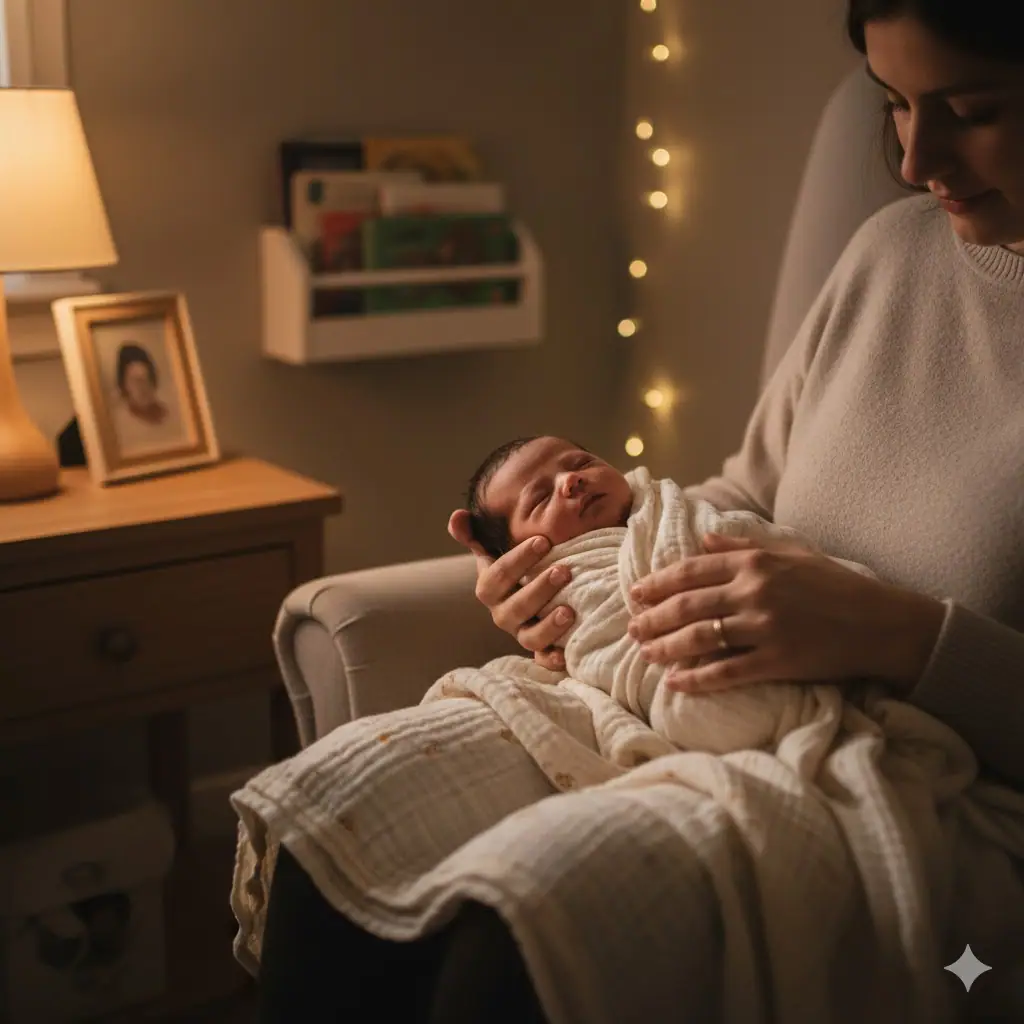

Let’s be real—sleep training your baby can feel like preparing for a moon mission, right? You’ve probably tried every trick in the book: rocking, shushing, singing, counting sheep (okay, maybe not that last one 😅), yet your little one seems determined to make you a zombie parent.
I’ve been there, and honestly, figuring out the right techniques isn’t just about surviving—it’s about helping your baby sleep through the night (and reclaiming your sanity). So, grab a cup of coffee, let’s chat, and I’ll share 15 tried-and-true sleep training baby tips that actually work.
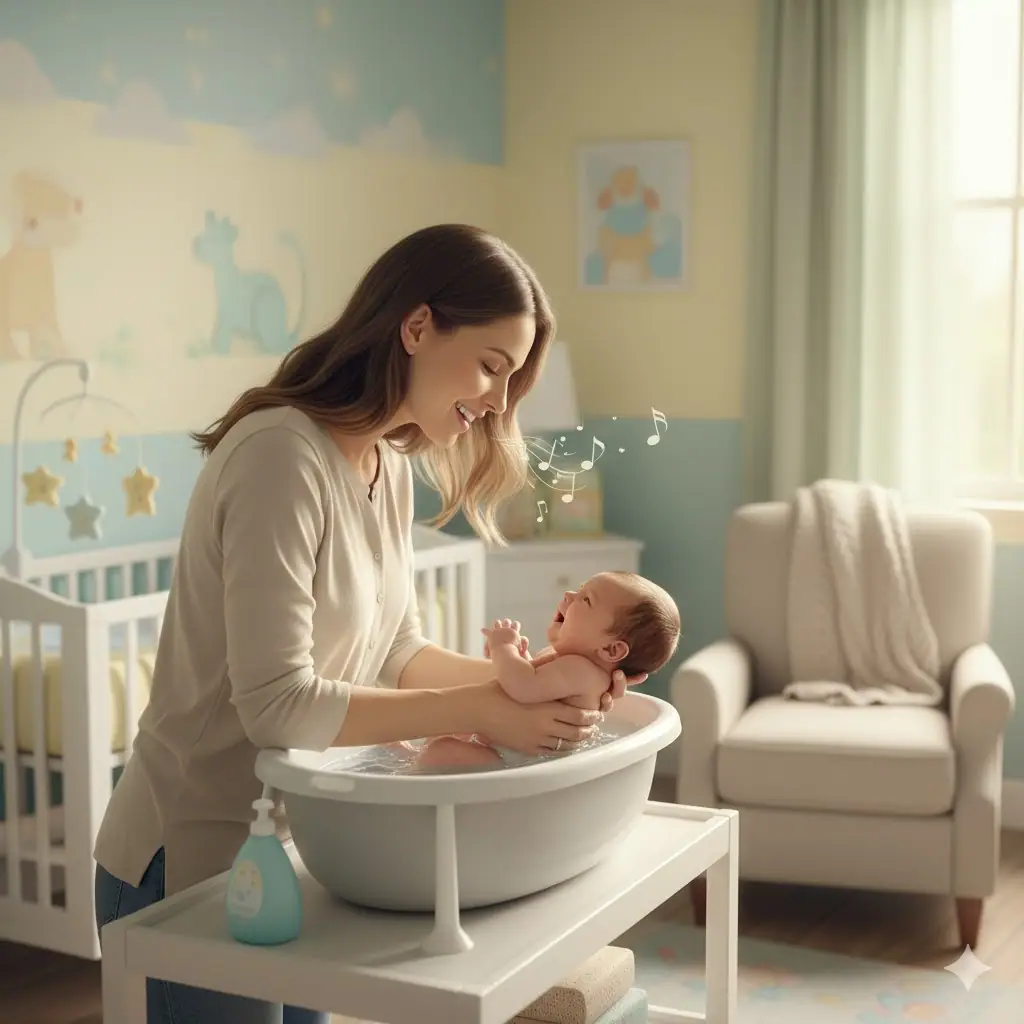
1. Start With a Consistent Bedtime Routine
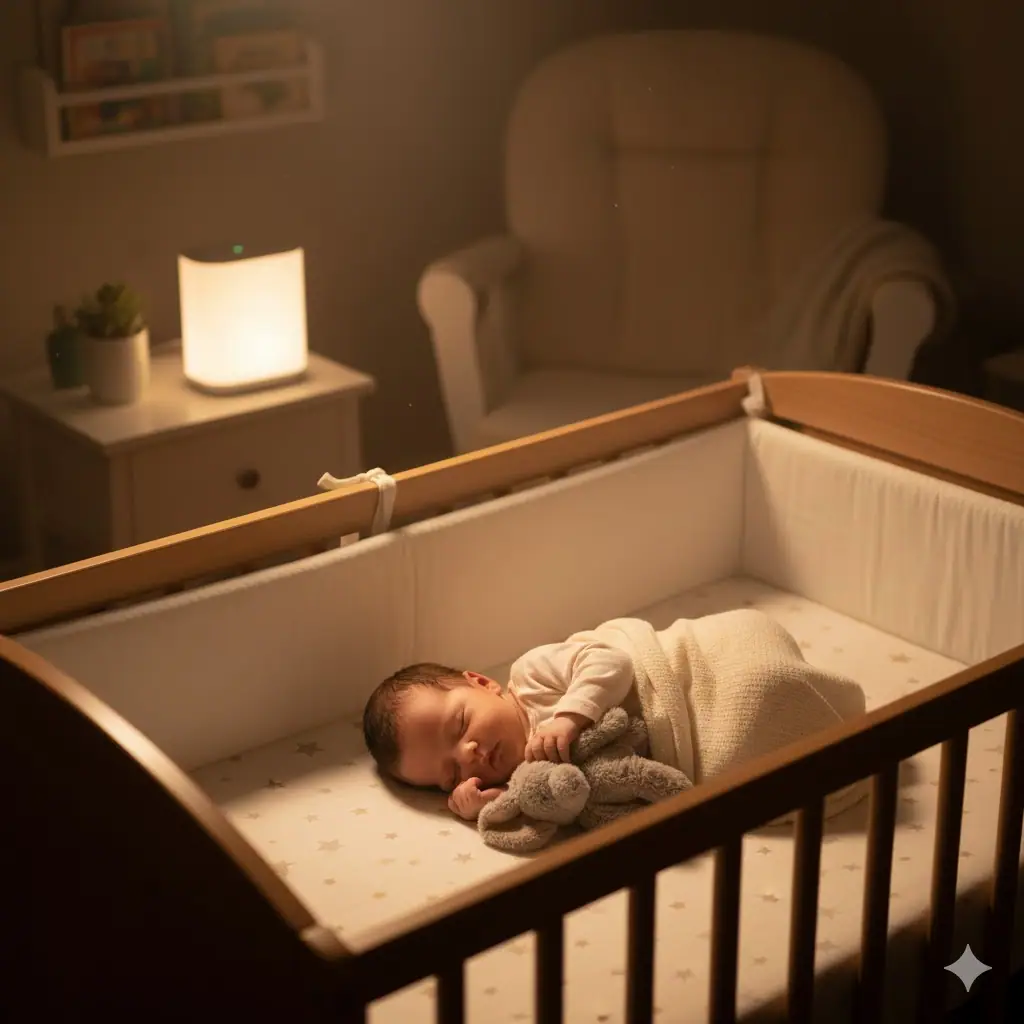
Ever noticed how you struggle to sleep when your schedule is all over the place? Babies are the same. Consistency is king here. A bedtime routine signals to your baby that it’s time to wind down.
- Bath time – Helps relax your little one.
- Story or lullaby – Even if your baby doesn’t understand, the tone is calming.
- Dim lights – Creates a sleep-friendly environment.
Trust me, doing the same steps every night can make a huge difference. And yes, you’ll have to repeat it even if your baby protests like they’re starring in a drama series.
2. Understand Sleep Cues
Babies send signals when they’re tired—eye rubbing, fussiness, or staring into space. Catching these early is crucial because letting them get overtired will make sleep training way harder.
- Learn to identify these cues.
- Don’t wait until the “I’m beyond tired” meltdown.
It’s like trying to grab an ice cream cone before it melts—timing matters, my friend.
3. Set the Right Sleep Environment
Your baby’s sleep space matters as much as your own. A dark, quiet, and cool room is ideal.
- Use blackout curtains.
- Maintain a comfortable temperature (68–72°F is perfect).
- White noise machines can help mask household sounds.
IMO, a well-set room is half the battle. Babies are picky, so don’t underestimate environmental cues.
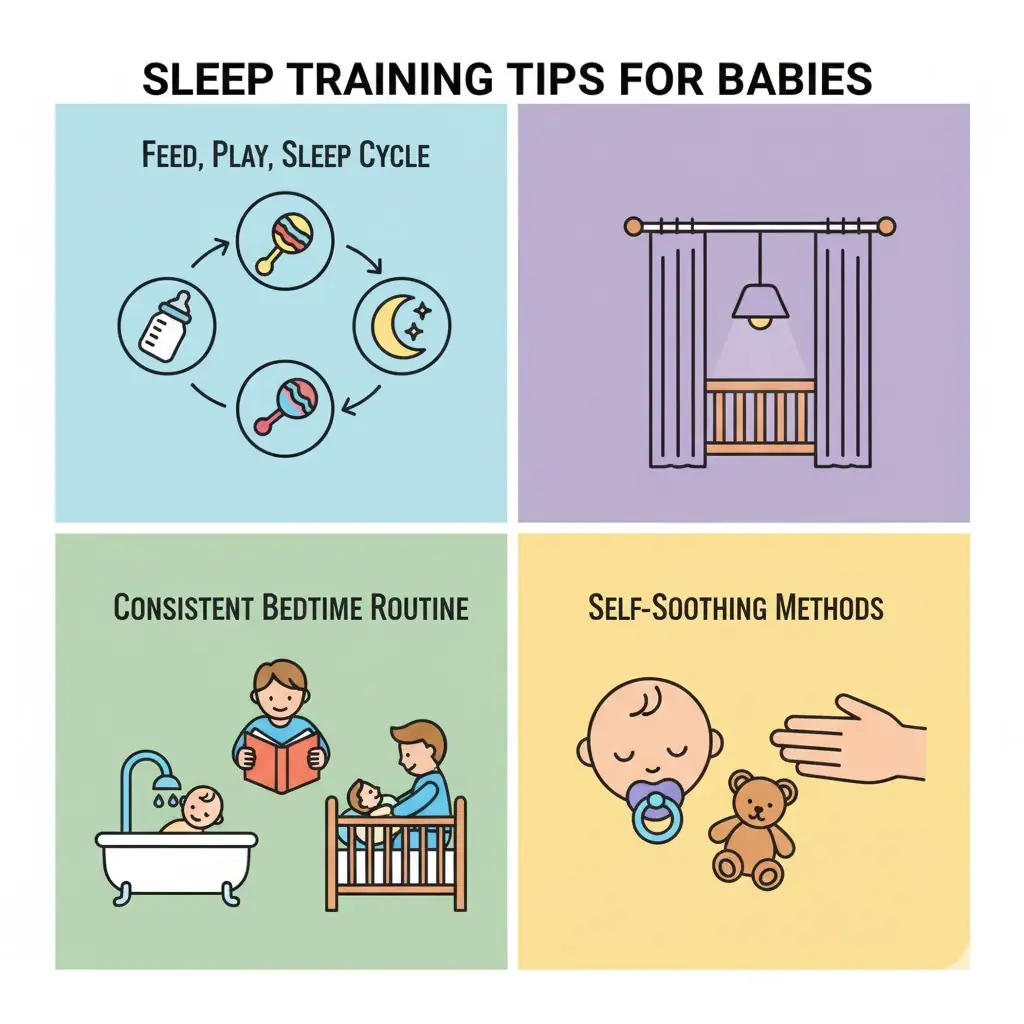
4. Use the “Feed, Play, Sleep” Cycle
This simple formula works wonders. Babies often associate feeding with sleep, but sometimes they need a little break in between.
- Feed – Full belly = happy baby.
- Play – Stimulate them to differentiate day from night.
- Sleep – Tired but content, ready for sleep.
Ever noticed how a slightly sleepy but not overtired baby is like gold? Yeah, that’s the sweet spot.
5. Introduce a Lovey or Comfort Object
Some babies love having a small, safe plush toy or blanket in their crib. It gives them a sense of security and can make self-soothing easier.
- Ensure it’s safe and age-appropriate.
- Only introduce after a few weeks to prevent dependency.
FYI, not every baby takes to this instantly, but when it clicks, it’s magical.
6. Try the “Ferber Method” (Graduated Extinction)
This method is famous for a reason. It involves letting your baby cry for gradually increasing intervals before comforting them.
- Start with short periods, then slowly extend.
- Always reassure them, but resist the urge to pick up immediately.
Yes, it can be tough, but most parents swear by it for teaching self-soothing skills. Remember: crying doesn’t mean neglect—it’s learning.
7. Use the “Chair Method” for Gentle Sleep Training
If you can’t handle letting your baby cry, the chair method is a good middle ground.
- Sit beside the crib until they fall asleep.
- Gradually move the chair farther each night.
It’s slow, but for some babies, gentle guidance works better than strict schedules.
8. Watch Nap Schedules
Too many or too few naps can sabotage sleep training. Babies need balanced daytime sleep to sleep better at night.
- Keep naps age-appropriate (newborns sleep more, toddlers less).
- Avoid late-afternoon long naps that mess with bedtime.
Ever seen a cranky baby after skipping a nap? Yeah… you don’t want that.
9. Encourage Self-Soothing
Self-soothing is a skill, not a luxury. It allows babies to fall asleep independently.
- Put your baby in the crib drowsy but awake.
- Let them try to settle themselves.
It may take a few nights of protest, but in the long run, your baby will learn to sleep without constant rocking or feeding.
10. Keep Nighttime Interactions Minimal

Nighttime feedings or check-ins should be calm and quiet. Avoid talking, bright lights, or playing.
- Whisper if necessary.
- Skip eye contact and excitement.
This helps your baby differentiate day from night—otherwise, you might as well be hosting a 2 a.m. party every night.
11. Be Mindful of Hunger vs. Comfort
Sometimes babies wake up out of habit, not hunger. Distinguishing between the two is key.
- Check diapers and feeding needs first.
- If everything’s fine, give them a moment to settle themselves.
This reduces unnecessary feedings and teaches independence. And yes, it saves your sanity.
12. Stay Consistent—Even When Tired
Consistency is hard when you’re running on 3 hours of sleep, I know. But switching methods mid-way confuses your baby.
- Pick a method.
- Stick to it for at least 1–2 weeks.
Remember: babies are little creatures of habit. Changing rules every night? That’s like giving instructions to a toddler in a foreign language.
13. Be Flexible With Illness or Travel

Life happens. Sickness, growth spurts, or travel can throw off routines. That’s okay.
- Adjust nap times and sleep schedules temporarily.
- Return to your plan once things stabilize.
Think of it as a slight detour, not a complete failure. Sleep training is progress, not perfection.
14. Track Sleep Patterns
Keeping a sleep log helps identify patterns and triggers.
- Note bedtime, wake-up times, and night wakings.
- Track changes in feeding, mood, and environment.
This makes troubleshooting easier and helps you spot what’s working—or what’s sabotaging your efforts.
15. Take Care of Yourself
Lastly, and I mean seriously, your sanity matters. Sleep training can be exhausting.
- Accept help from partners or family.
- Nap when your baby naps (classic but true).
- Remember: even small improvements in sleep are a win.
IMO, a well-rested parent = a well-rested baby. Don’t underestimate the power of a short nap or a deep breath.
Wrapping It Up
So there you have it—15 proven sleep training baby tips that actually work. From creating a calm bedtime routine to teaching self-soothing skills and staying consistent, these strategies are practical, realistic, and parent-approved. Remember, sleep training isn’t about being perfect—it’s about helping your baby learn healthy sleep habits while keeping your sanity intact.
At the end of the day, celebrate small victories. Even if your baby only sleeps 30 more minutes uninterrupted, that’s progress. And hey, if nothing else, it gives you a funny story to tell your fellow parent friends 😏. Sleep training is a journey, not a race—so buckle up, be patient, and enjoy the occasional giggle along the way.