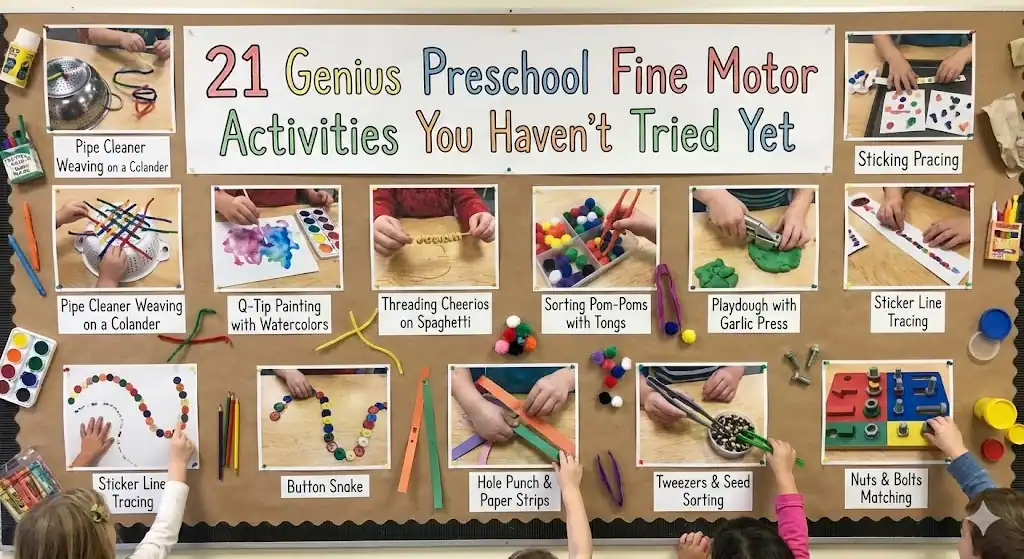
Okay, let’s be real for a second — if you’re a parent, teacher, or anyone who’s ever tried to keep a preschooler busy *and* learning, you know the struggle is real. You want activities that are fun (so they’ll actually do them), educational (so you can feel like you’re winning at life), and not total chaos for you to manage. Sounds familiar?
Well, you’re in luck, because I’ve got 21 genius preschool fine motor activities you probably haven’t tried yet — and yes, they’re easy, creative, and actually work. Now, I’ve done my fair share of cutting, gluing, threading, and cleaning up glitter explosions (RIP my living room rug), so trust me when I say these ideas are tried, tested, and kid-approved. Ready to strengthen those tiny hands and big imaginations? Let’s get started.
Why Fine Motor Activities Matter (and Why You’ll Thank Yourself Later)
Now that you’ve got your list, let’s get real for a second. These activities aren’t just cute ways to pass time. They build the foundation for writing, cutting, tying shoelaces, and even using utensils properly.
Fine motor development is all about giving those small muscles in the hands and fingers a workout — and the earlier they get that practice, the smoother their learning journey becomes.
Think of it like this: before kids can write their ABCs neatly, they need to be able to control their fingers enough to hold a pencil. Before they can zip their jacket, they need to master pinching and pulling. These everyday play activities are what get them there — no fancy gadgets required.
And honestly, half the fun is watching their confidence grow. When your preschooler beams because they threaded all the beads or cut along the zigzag line perfectly, you’ll realize you’re not just building hand muscles — you’re building independence.
1. Sticker Peel Challenge
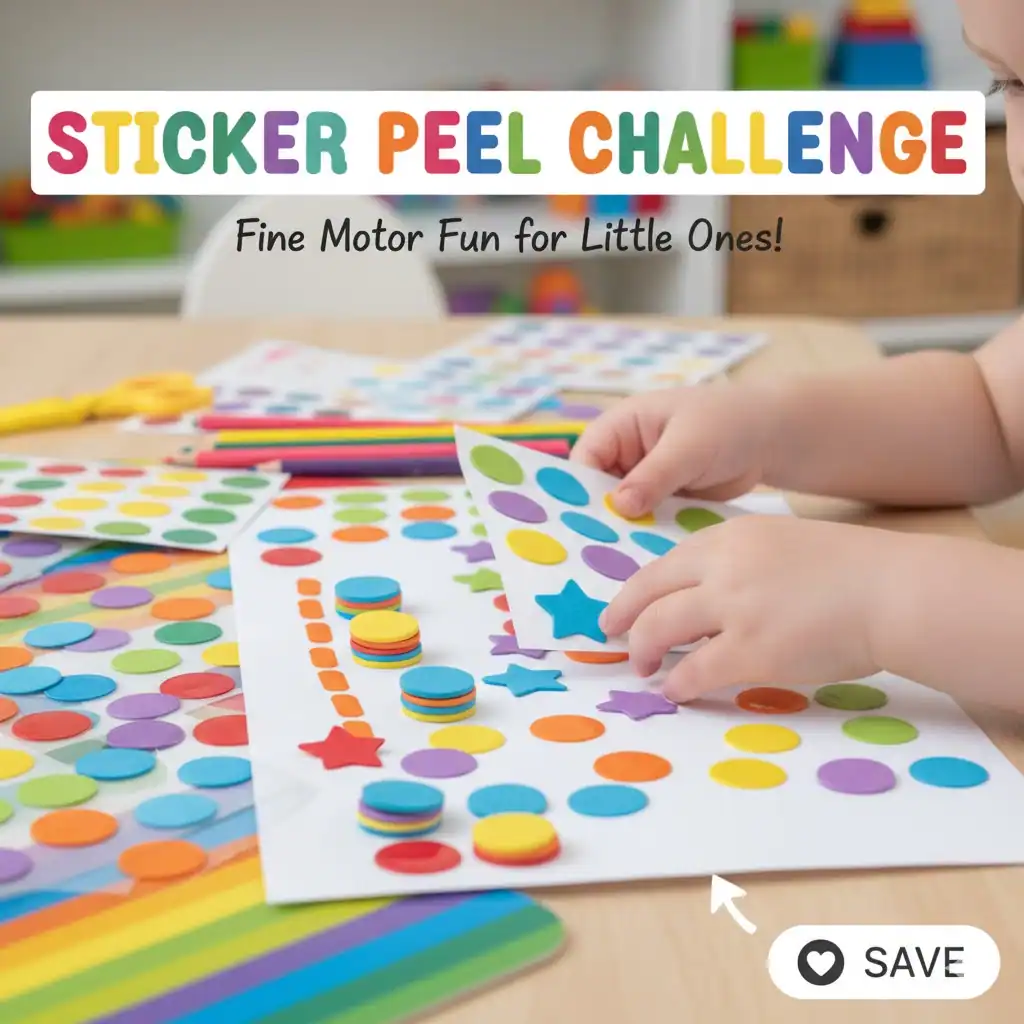
Ever notice how kids love stickers? It’s like they’re born with a sixth sense for finding them. The Sticker Peel Challenge is one of the easiest fine motor activities out there.
Give your child a sheet of stickers and ask them to peel and stick them onto paper, by color, shape, or pattern. It helps with pincer grip and hand-eye coordination — plus, it’s oddly satisfying to watch.
Pro tip: Use small stickers for extra finger work. (Bonus: they’ll stay busy longer!)
2. Cotton Ball Pick-Up Race
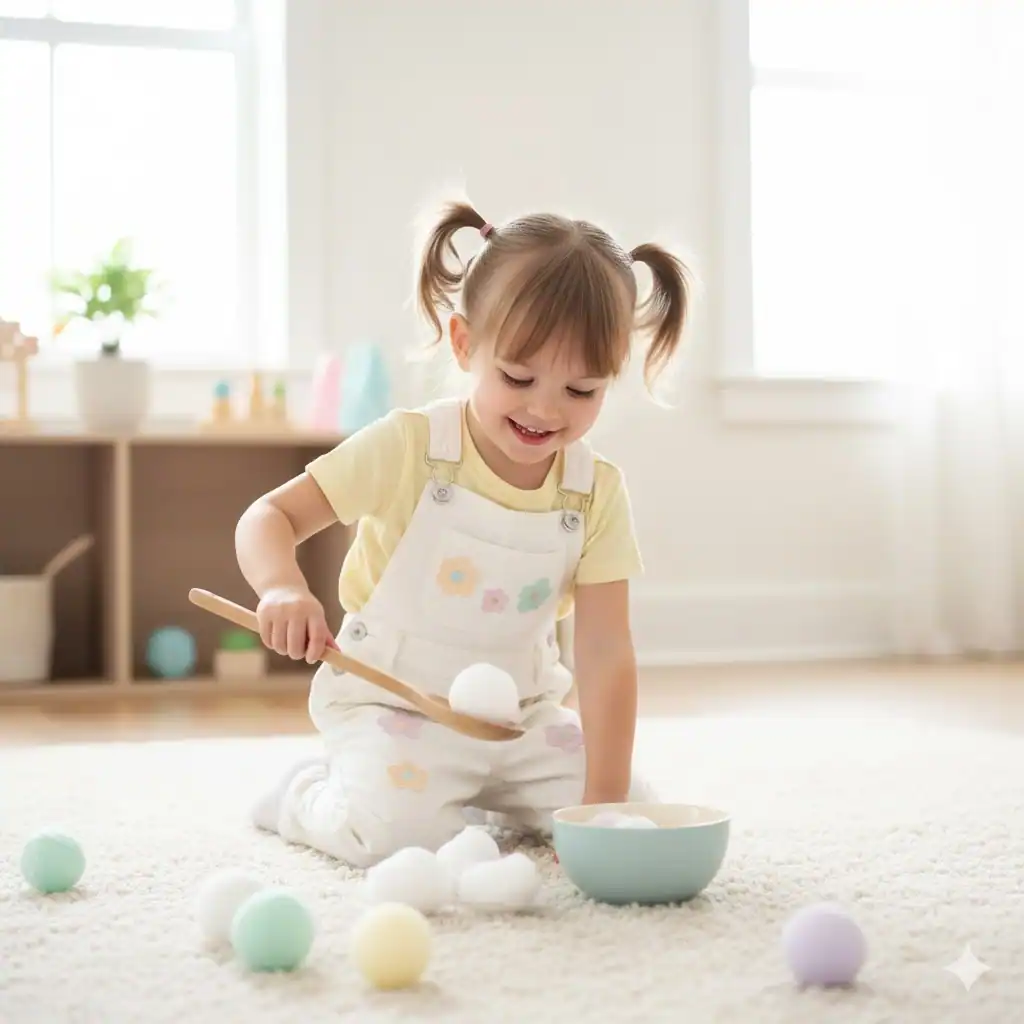
Grab some cotton balls, a spoon, and a bowl. Tell your little one they’re in a race — scoop up the cotton balls using the spoon and transfer them into the bowl without dropping any.
Sounds simple, right? But this activity works wonders for hand control, balance, and coordination. And if you’ve got more than one kid, turn it into a mini competition. (Loser helps clean up — fair deal.)
3. Bead Threading Bonanza
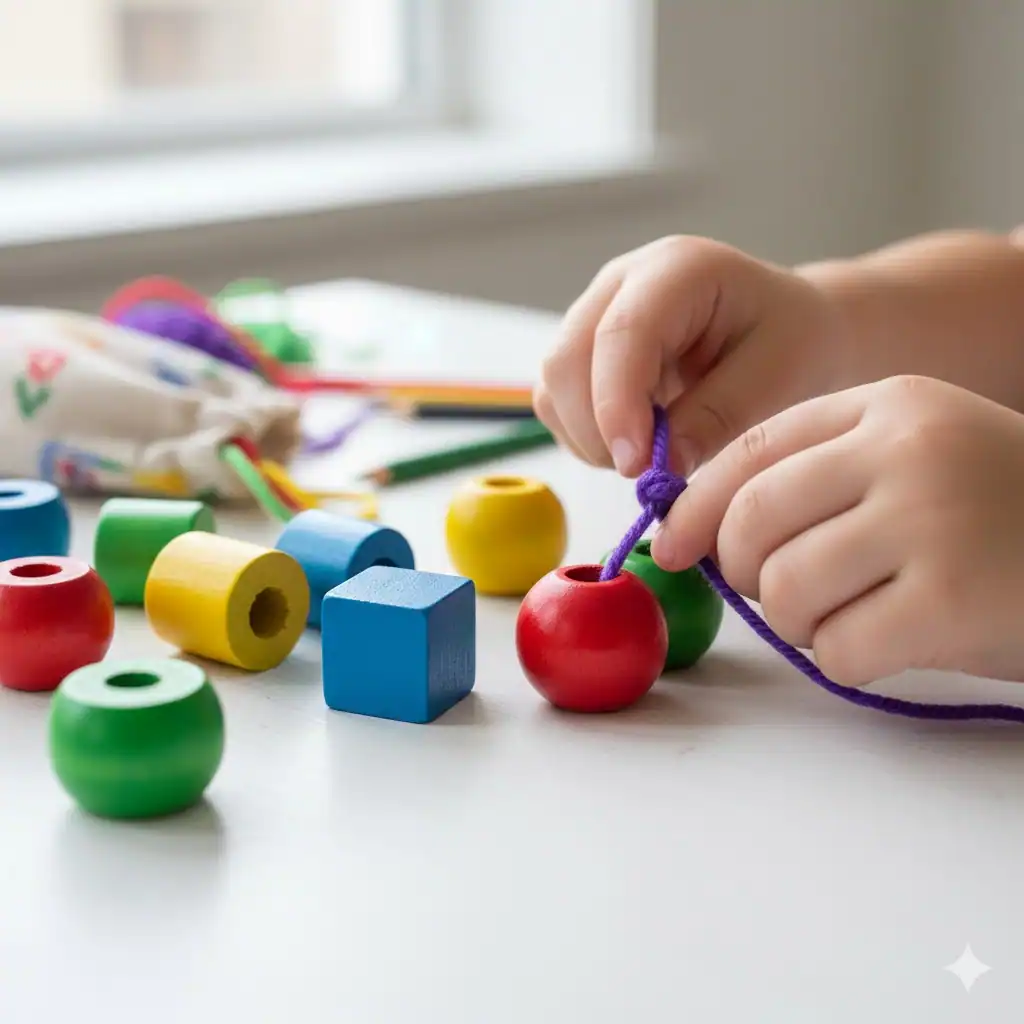
Old-school, but gold. Give your preschooler some large beads and a shoe lace or yarn (tape the end so it’s stiff). Ask them to thread beads in a color sequence — say, red-blue-yellow — and see how many patterns they can make.
It’s perfect for fine motor precision and focus, and it even sneaks in early math skills. Win-win!
4. Clothespin Rescue Mission
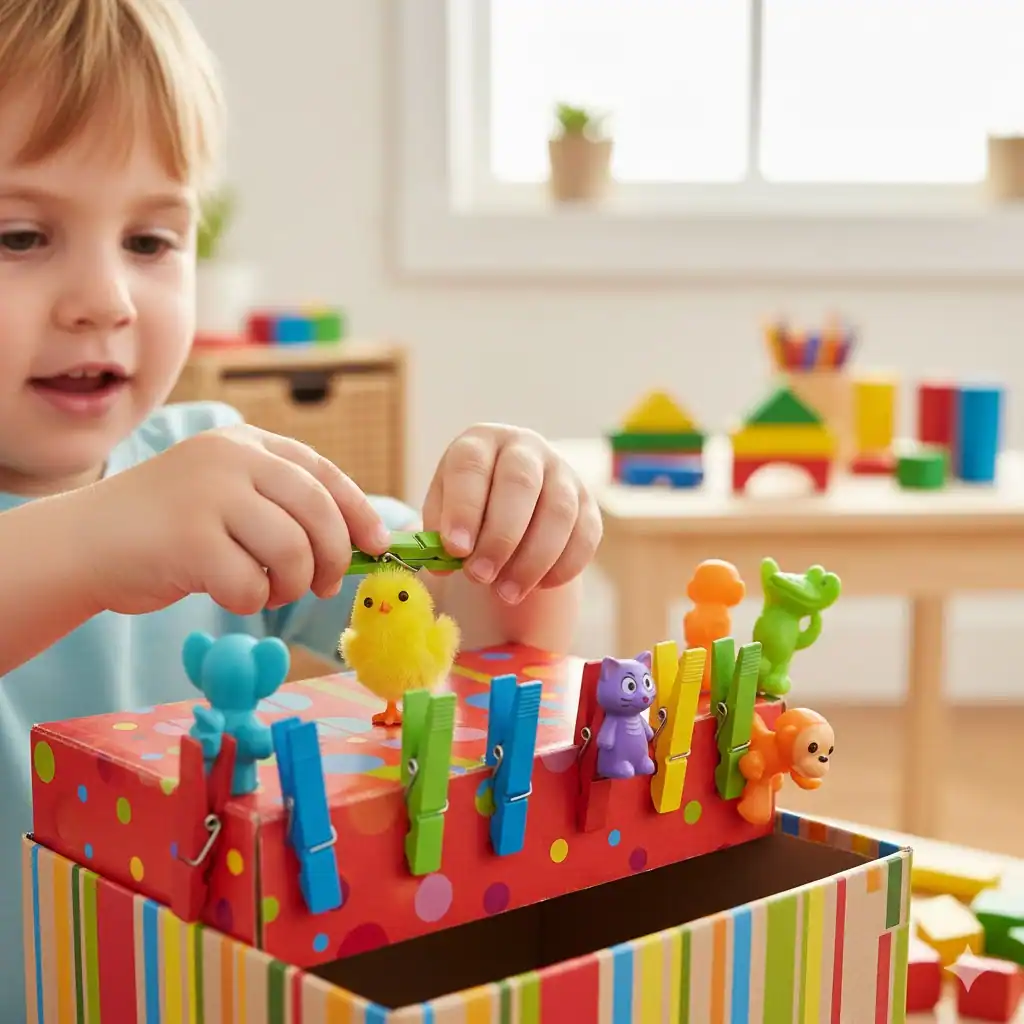
Clothespins are basically little hand trainers in disguise. Clip a few toy animals or paper shapes to the edge of a box and tell your child they’re rescuing them using clothespins.
Every time they pinch and release, they’re building hand strength and finger control. And if you add a story like, “Save the animals before the volcano erupts!” they’ll be all in.
5. Pom-Pom Push Game
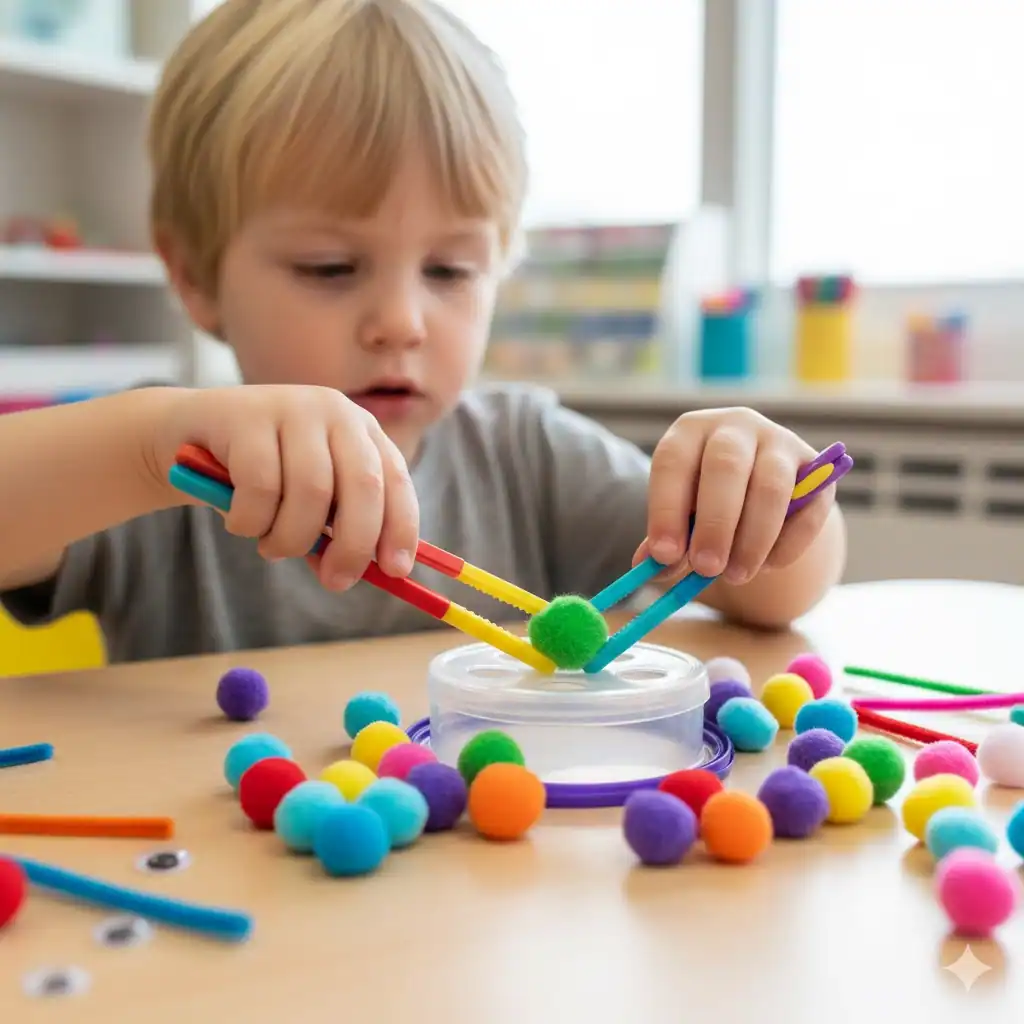
Find an empty plastic container (like an oatmeal can) and poke a few holes in the lid — just big enough for small pom-poms. Hand your kid some tweezers and let them push each pom-pom through.
It’s great for coordination and concentration, and you’ll be amazed how long they’ll stay focused on such a simple task.
6. Washi Tape Art Attack
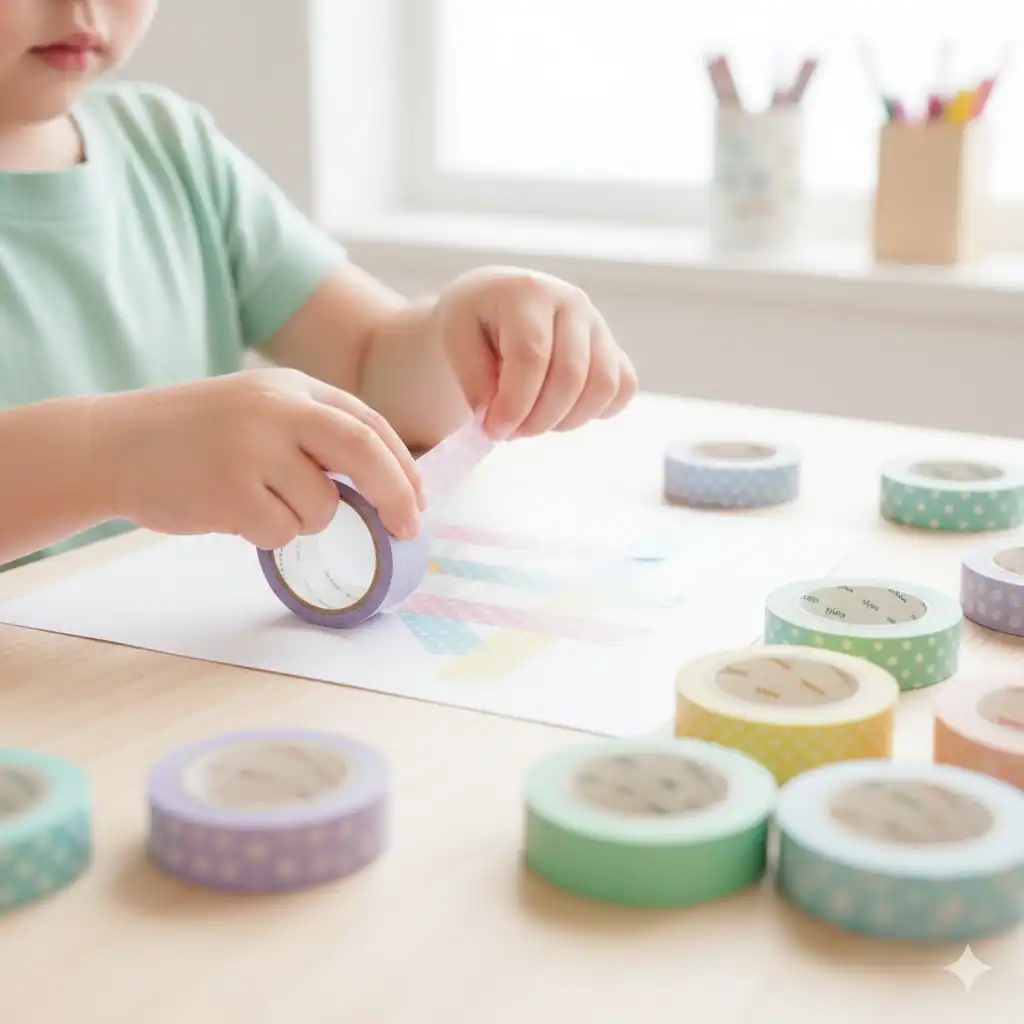
Forget fancy craft supplies — washi tape is where it’s at. Give your preschooler rolls of colorful washi tape and let them tear, stick, and create.
Tearing tape improves finger strength and dexterity, while sticking it down lets them practice spatial awareness. And honestly, you’ll probably end up joining them — it’s addictive.
7. Sensory Pasta Bin
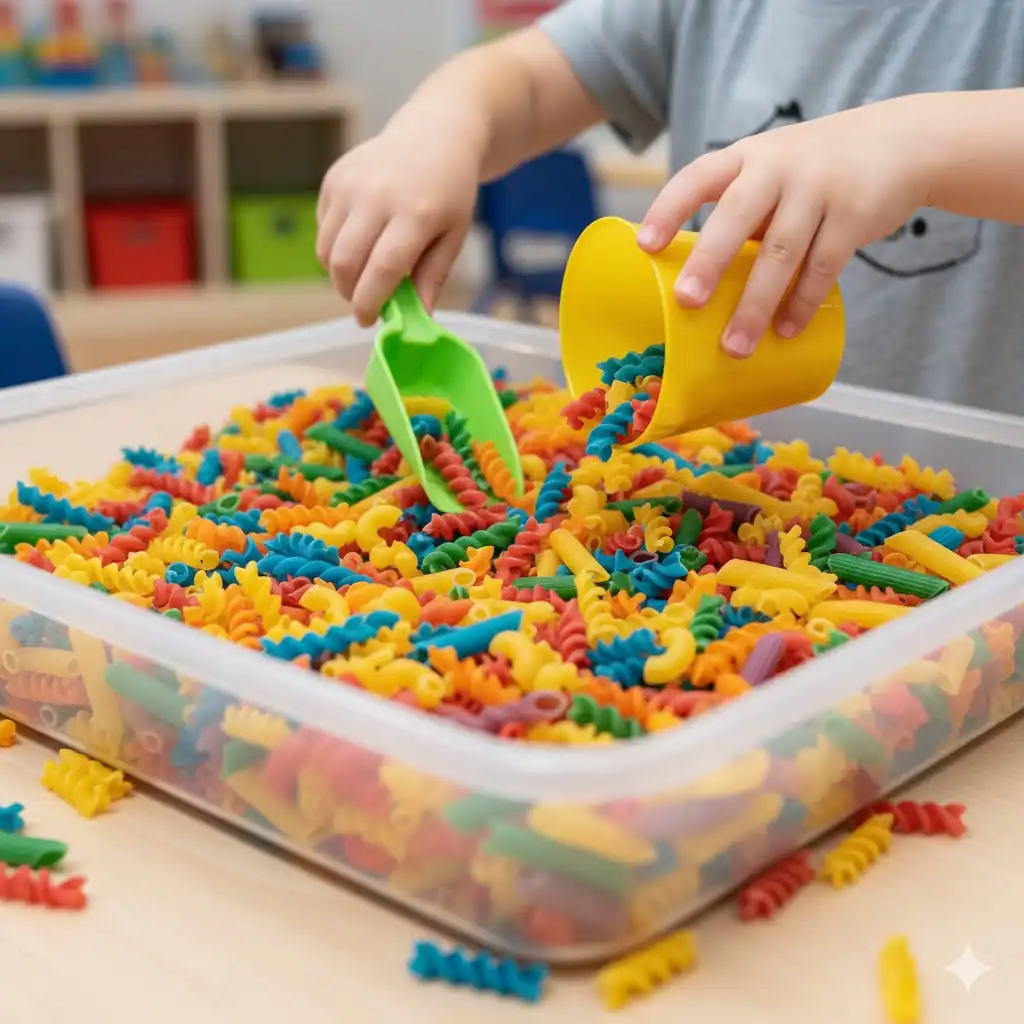
This one’s messy but worth it. Fill a bin with uncooked pasta, scoops, cups, and spoons. Then watch your child pour, scoop, and dig their way into sensory heaven.
You can even color the pasta with food dye for extra fun. It helps with grip control, coordination, and sensory exploration — and it’s a total hit at playdates.
(Just keep an eye out, because some kids will try to eat it. Been there. 😅)
8. Hole Punch Fun
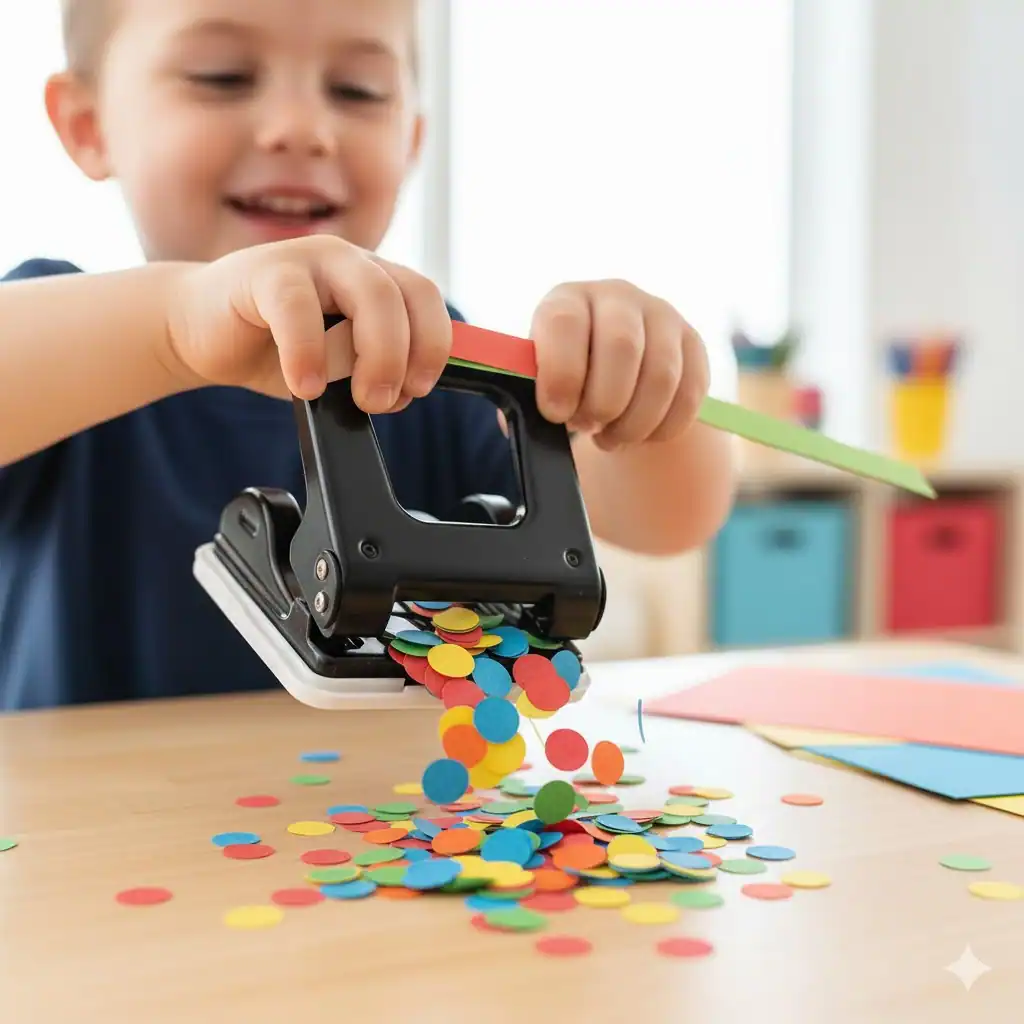
Kids love making “confetti” with hole punchers. Give them colored paper and let them go to town punching out circles.
This builds hand strength like crazy and gives them a reason to use both hands together. Just have a mini trash can nearby unless you want your floor looking like New Year’s Eve.
9. Water Drop Transfer
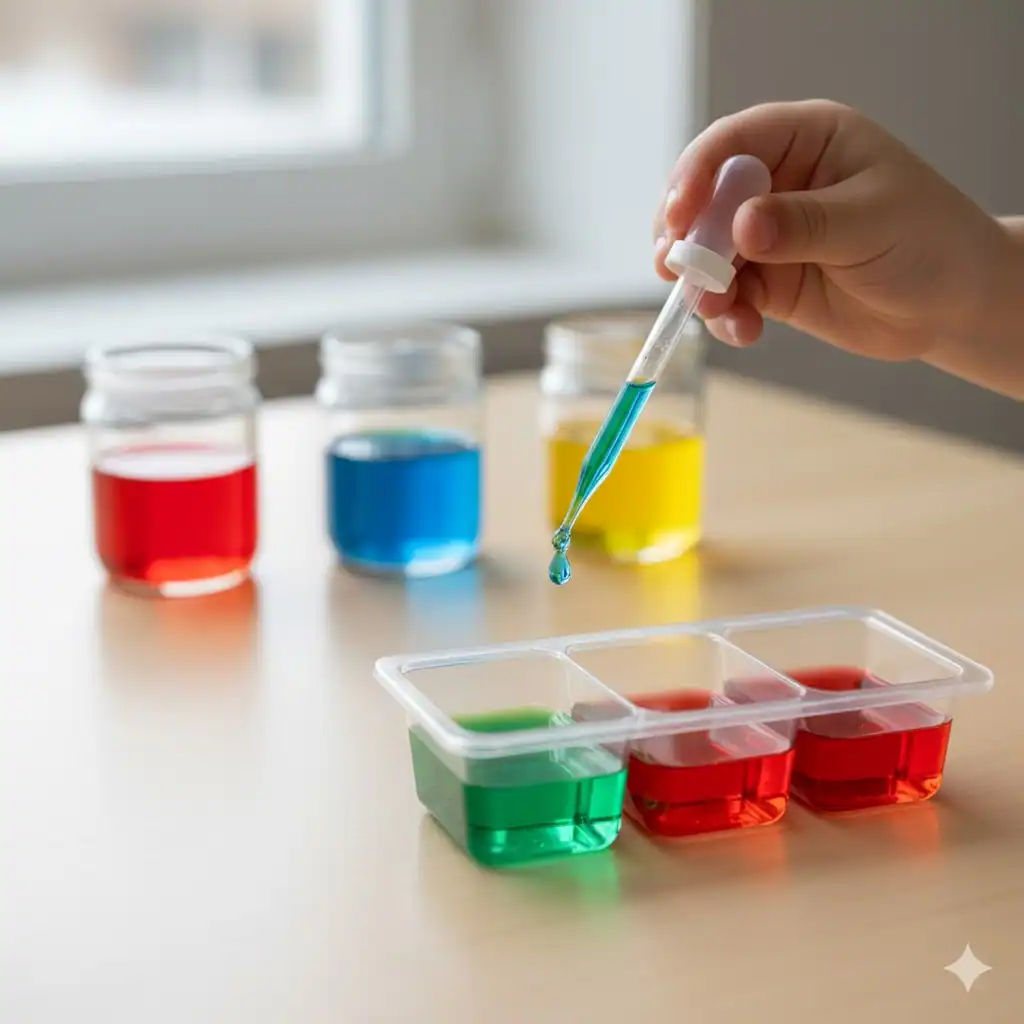
Fill a cup with colored water (a drop of food dye is enough) and give your child a dropper or pipette. Have them transfer the water into an ice cube tray — one drop at a time.
It’s a super simple but powerful fine motor exercise that teaches precision and control. And watching the colors spread? Surprisingly calming.
10. Cutting Practice Cards
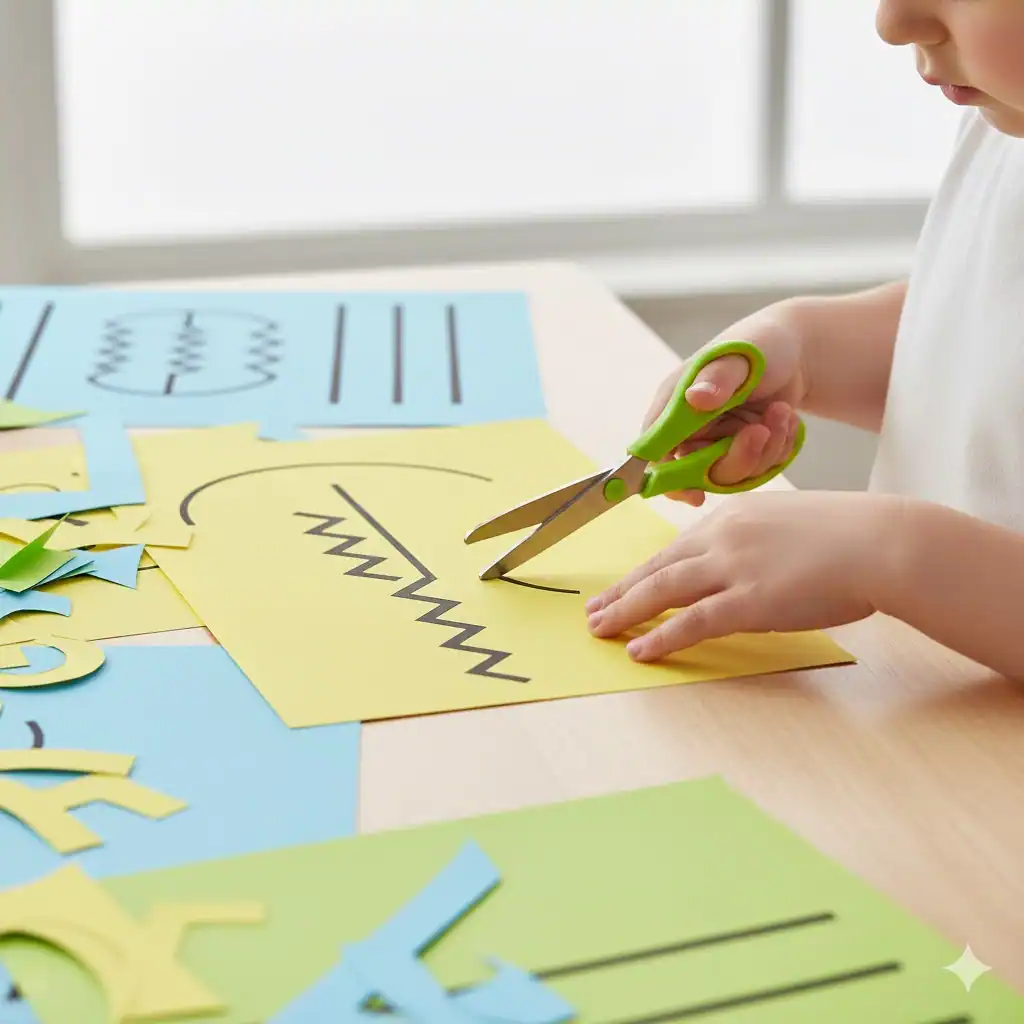
Grab some paper and draw zigzags, curves, and straight lines. Hand your child a pair of child-safe scissors and let them follow the lines.
Cutting builds hand-eye coordination and finger strength, plus it gives them that little boost of independence they crave. (They’ll love saying, “I can cut all by myself!”)
11. Playdough Smash Letters
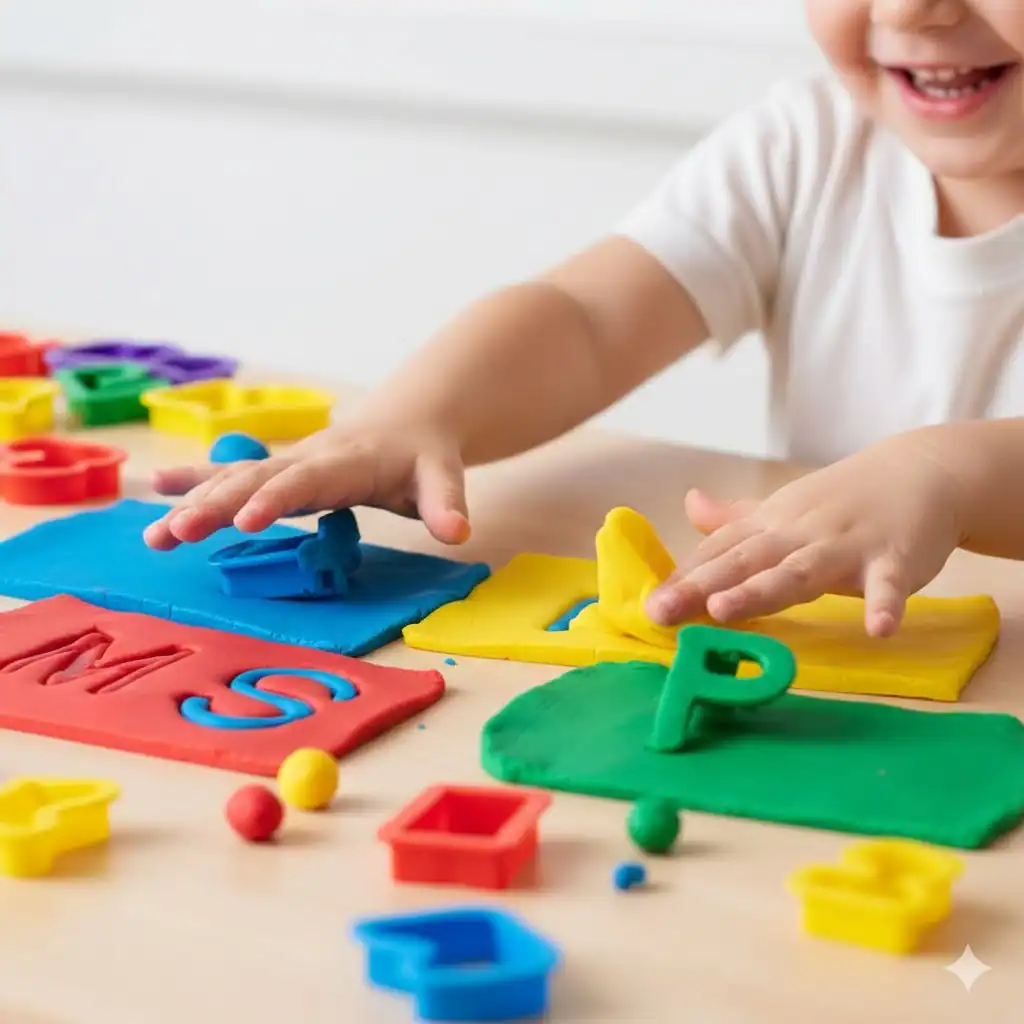
Roll out playdough and press alphabet cutters or small toys into it. Then, let your preschooler smash each one using a small mallet or their fist.
The act of pressing, squishing, and flattening helps develop muscle tone in the hands, and it’s a great pre-writing skill booster. (Also, smashing playdough = endless giggles.)
12. Button Sorting Station
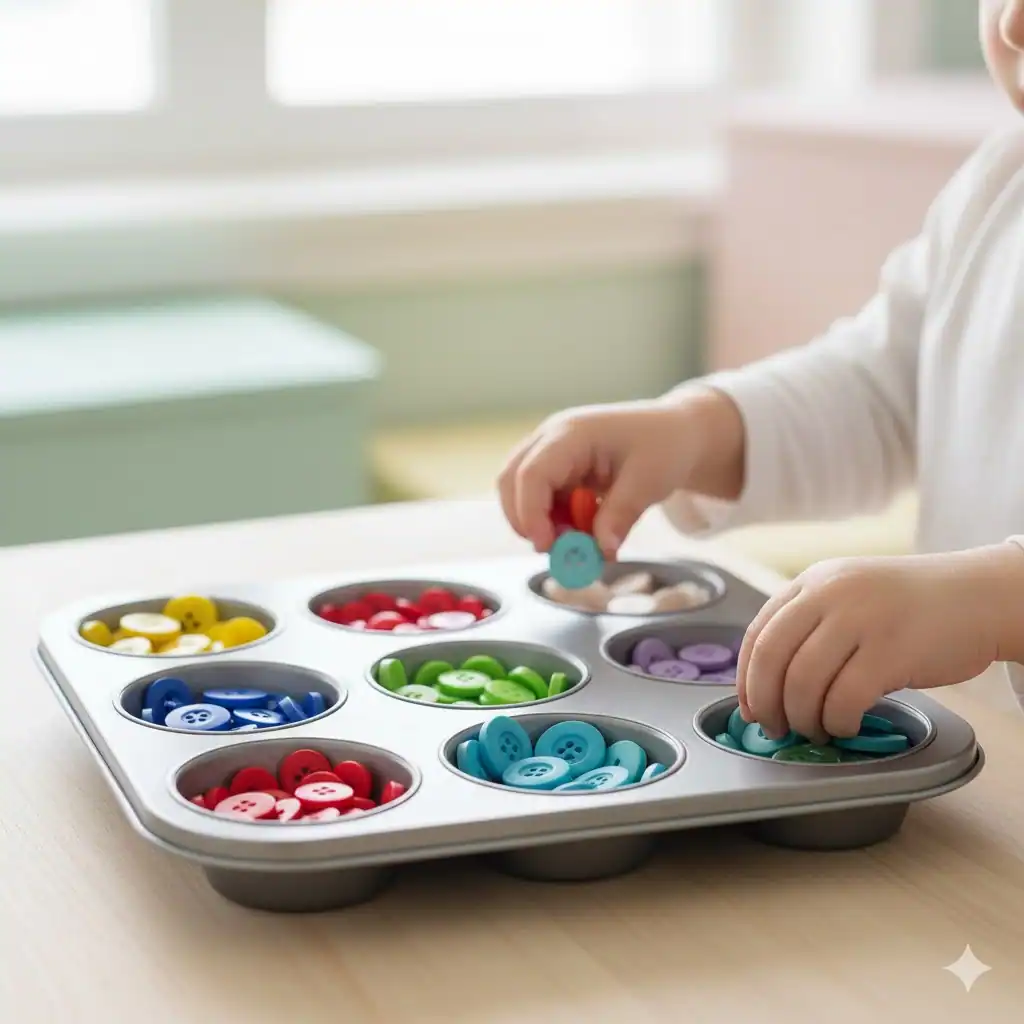
Collect different buttons in a muffin tin or ice cube tray. Ask your child to sort them by size, shape, or color.
Sorting builds fine motor control and logical thinking, while picking up each button strengthens the pincer grasp.
You can even up the challenge: “Can you sort them using only tweezers?”
13. Lego Build Challenge
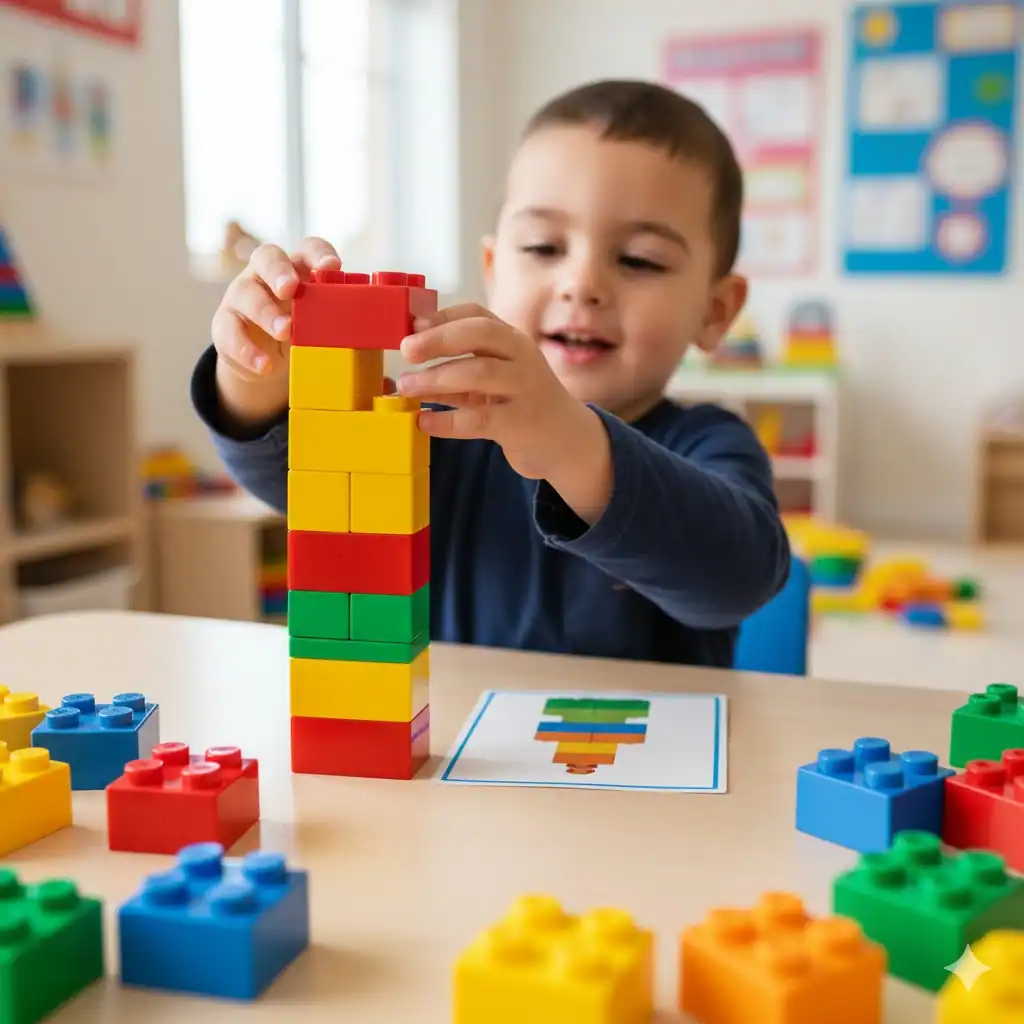
Yes, Legos are fun, but they’re also sneaky little fine motor trainers. Challenge your child to build a tower taller than their toy giraffe or recreate a simple shape from a picture.
Every time they snap bricks together, they’re using finger strength, precision, and planning skills. Plus, it’s a great excuse to play together — IMO, Legos never get old.
14. Thread-the-Spaghetti Game
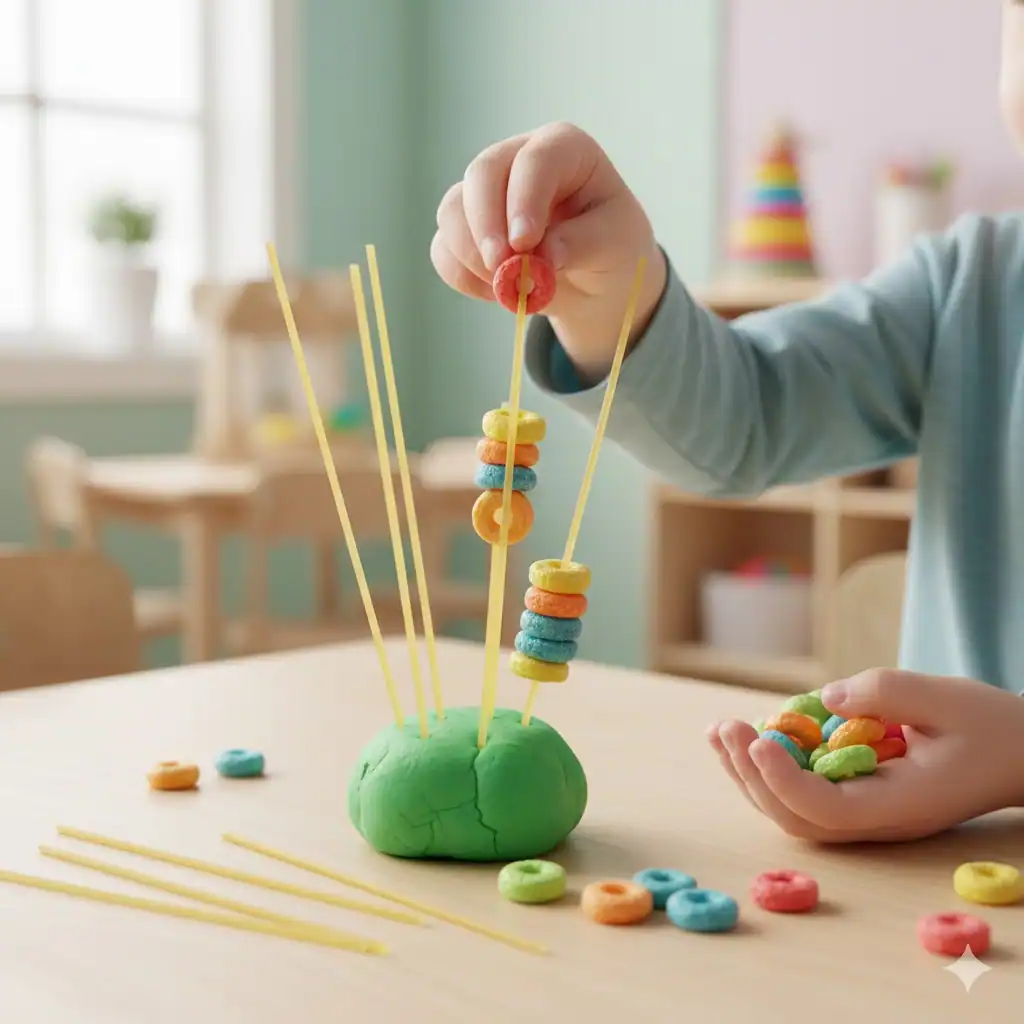
Stick a few uncooked spaghetti noodles upright in playdough and give your preschooler a handful of cereal rings or beads. Tell them to thread the cereal onto the spaghetti.
It’s perfect for concentration and steady hand movements, and when they finish, they can “feed” the spaghetti monster (aka, pretend to be silly).
15. Mini Car Wash Station
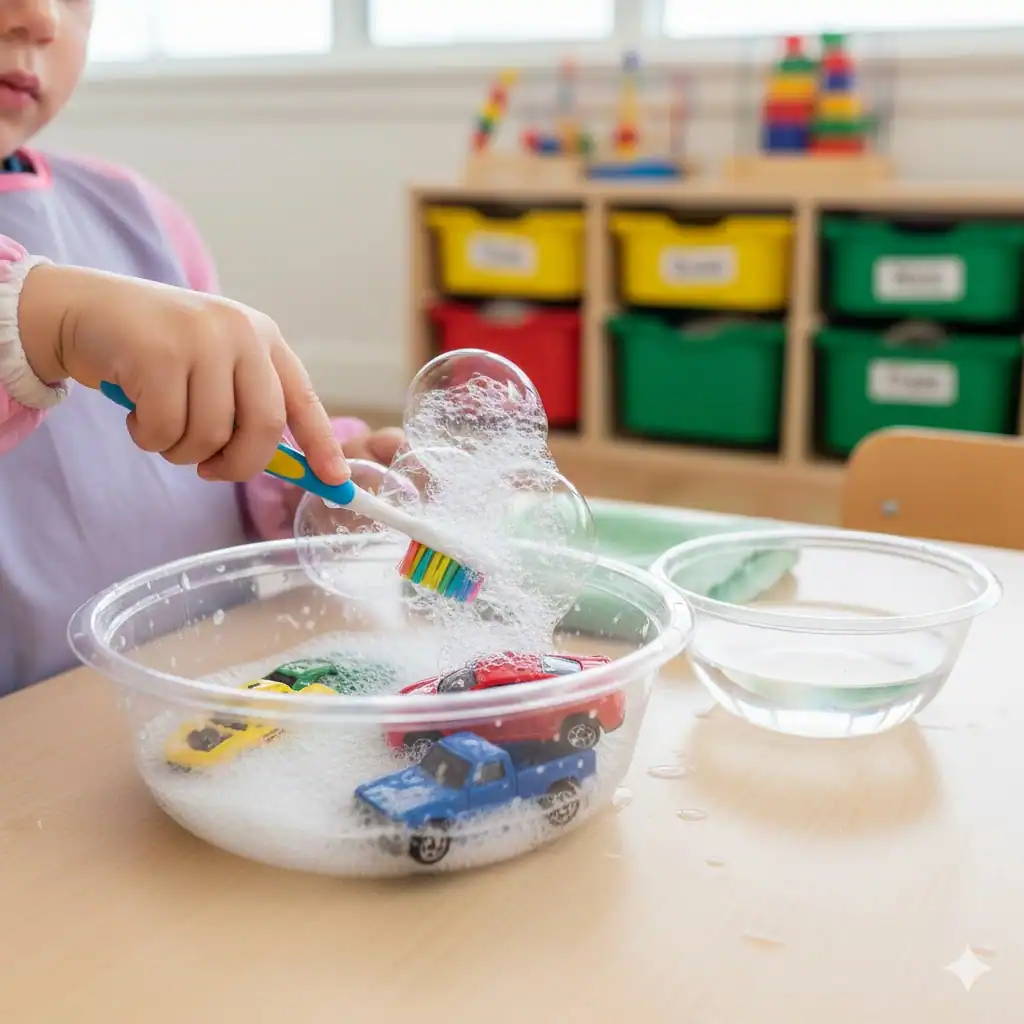
Set up a tiny “car wash” with toy cars, a bowl of soapy water, and a toothbrush. Have your child scrub each car clean.
They’ll build wrist strength and coordination, and it’s honestly one of the best sensory activities ever. Plus, clean toys — you’re welcome. 🙂
16. Paper Clip Chains
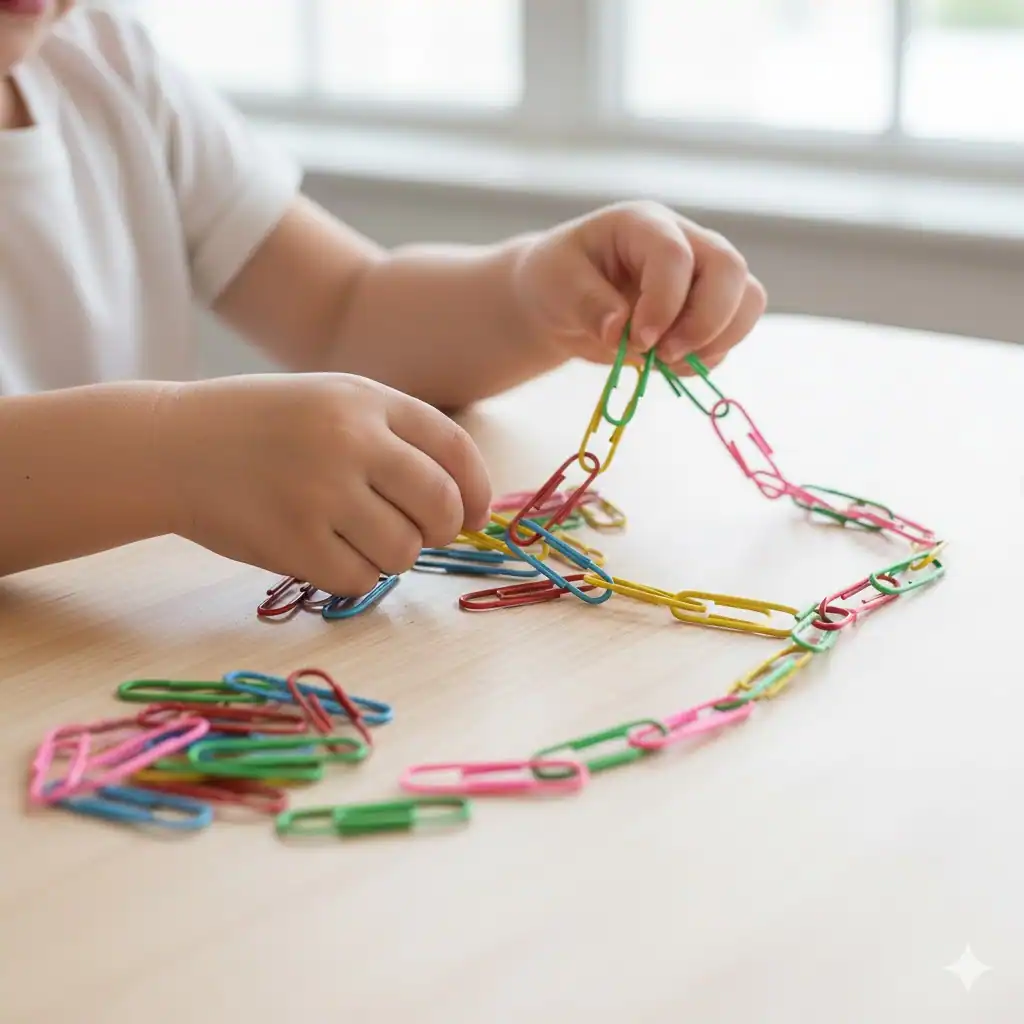
Hand your preschooler a pile of colorful paper clips and challenge them to connect them into the longest chain they can make.
It’s excellent for finger dexterity and focus, and it gives them a tangible goal (“Look, mine’s longer than the table!”).
17. Q-Tip Painting
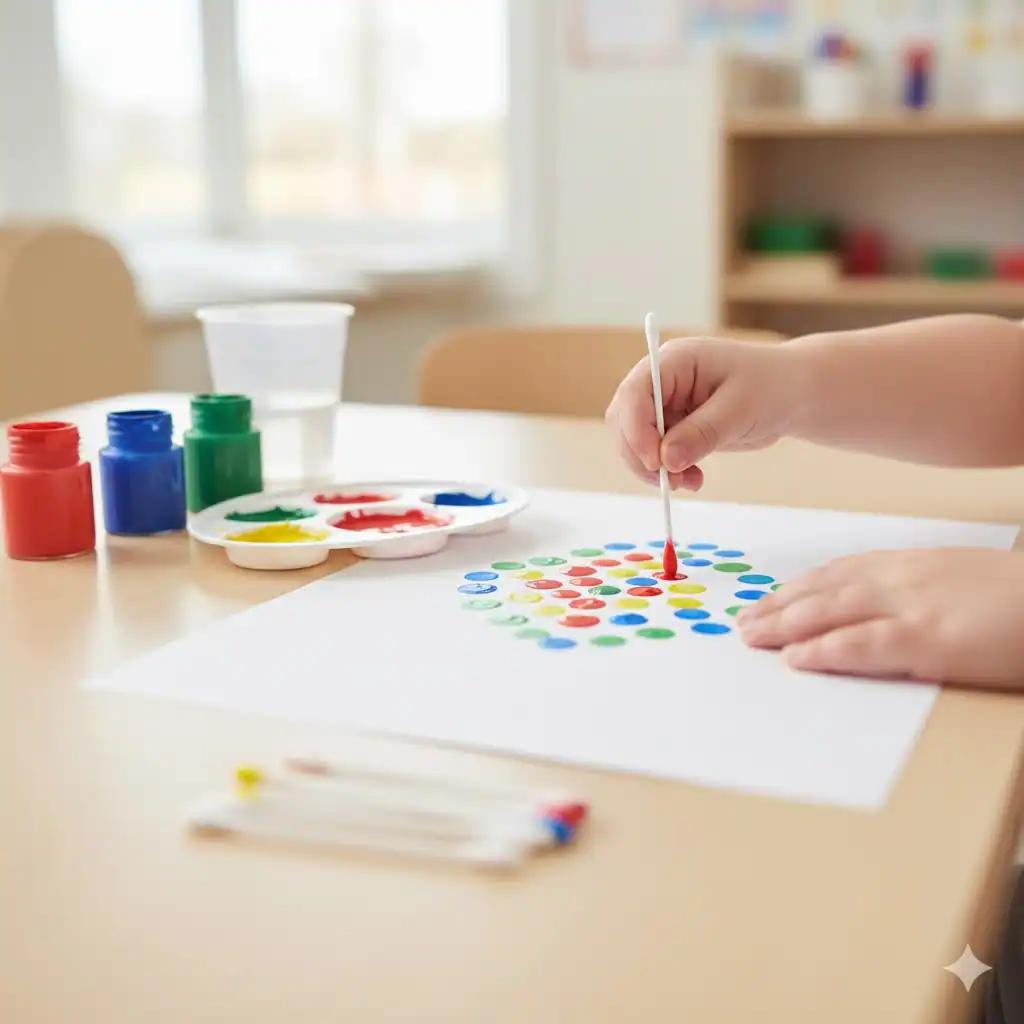
Instead of paintbrushes, give them Q-tips and let them dot paint on paper. They can create flowers, dots, or even write their name.
Each dot helps improve finger control and hand precision — and it’s a great low-mess painting option for you.
18. Thread the Straw
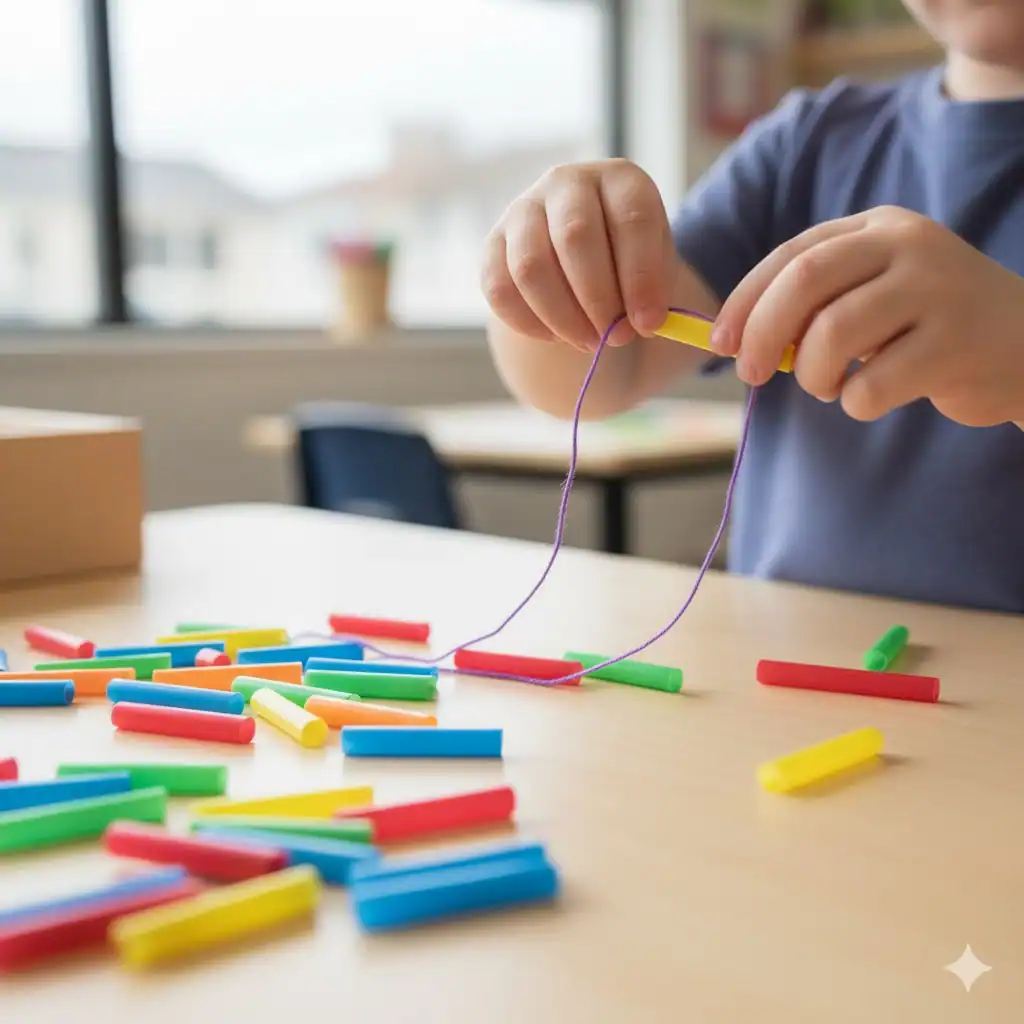
Cut straws into small pieces, then hand your child a piece of yarn and let them thread the straw segments onto it like beads.
It’s colorful, quiet, and perfect for building concentration and pattern recognition. Bonus: once done, you’ve got a DIY necklace.
19. Ice Excavation Game
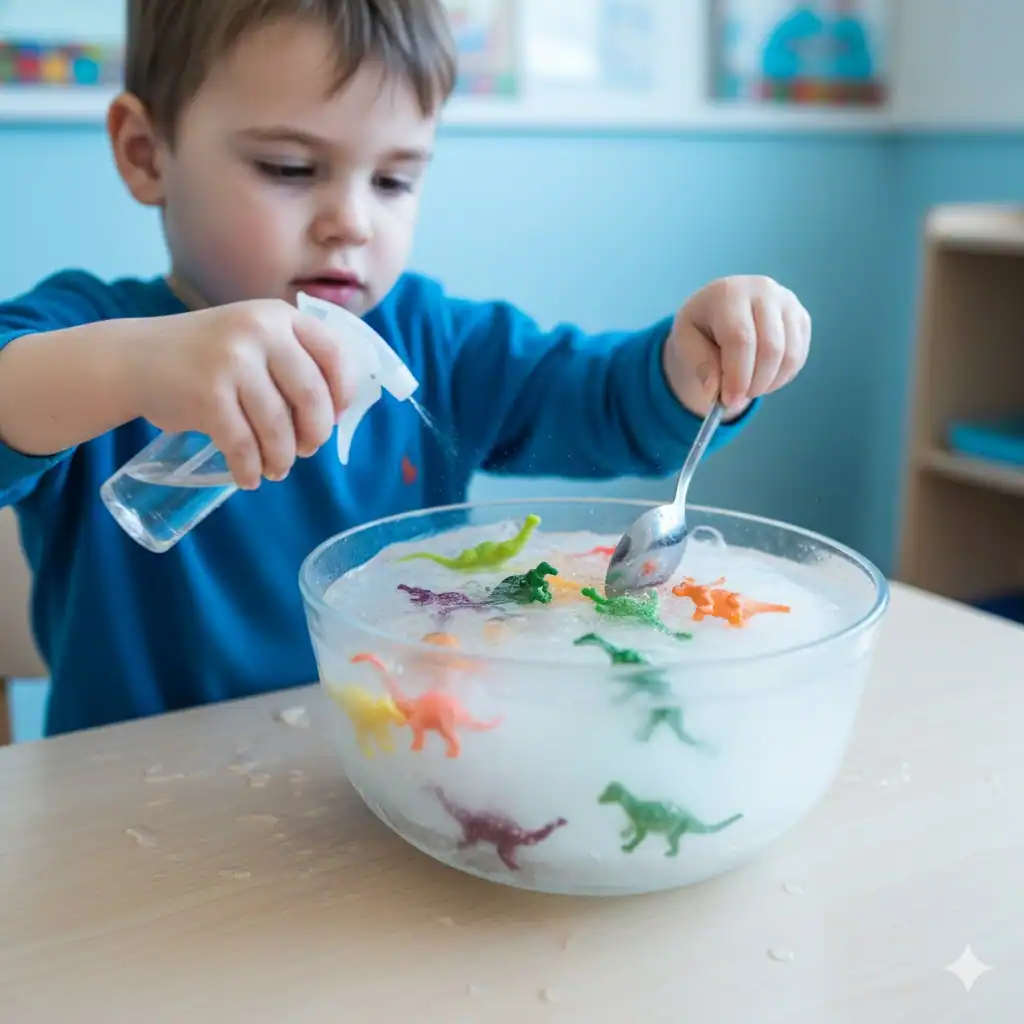
Freeze small toys (like plastic animals or buttons) in a bowl of water. Then hand your preschooler a spoon and spray bottle with warm water and let them excavate the treasures.
This activity builds grip strength, patience, and hand control, and it’s like a mini science experiment in disguise.
20. Magnet Fishing
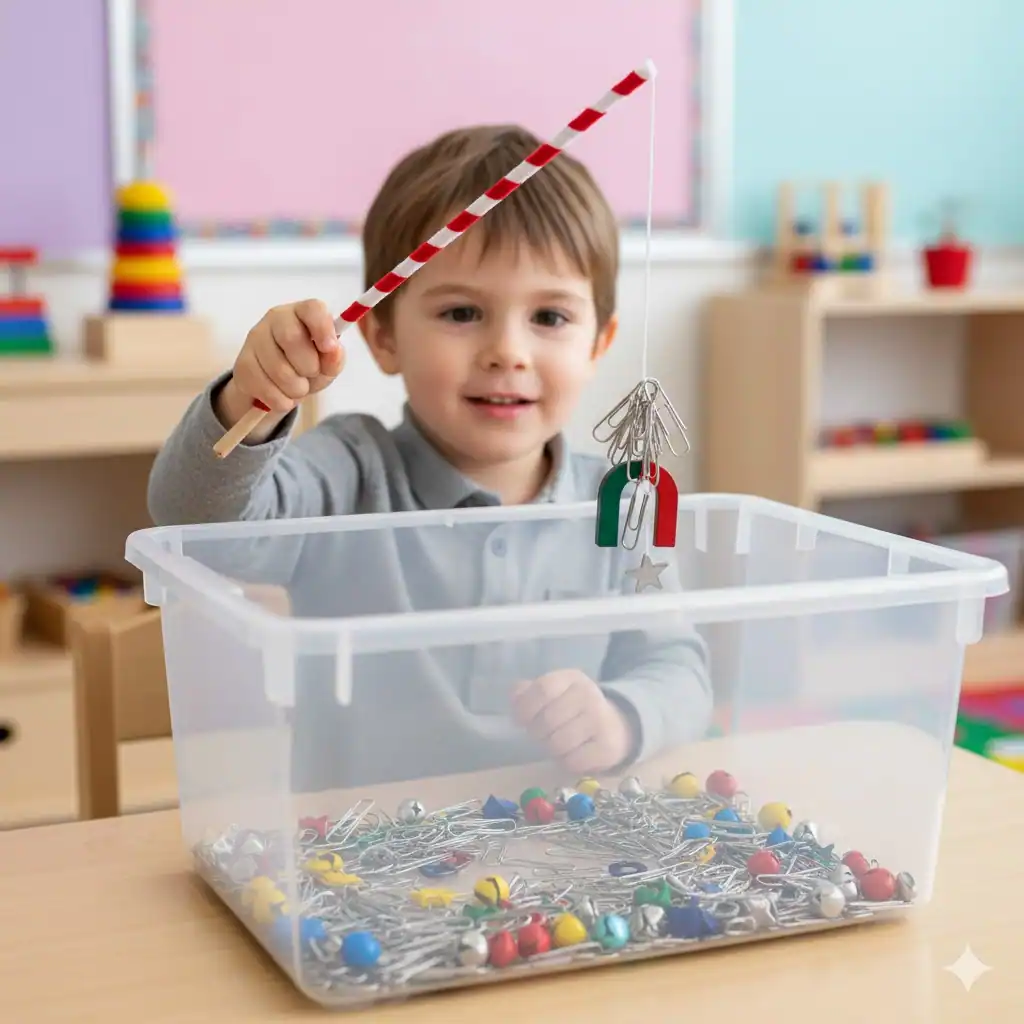
Fill a bin with paper clips and tiny magnetic items, then make a “fishing rod” using a string and magnet. Tell your little one to go fishing!
It’s a magical combo of fine motor play and early STEM exploration. You can even make it trickier by giving point values to certain items. (Because who doesn’t love a good competition?)
21. Pom-Pom Maze Challenge
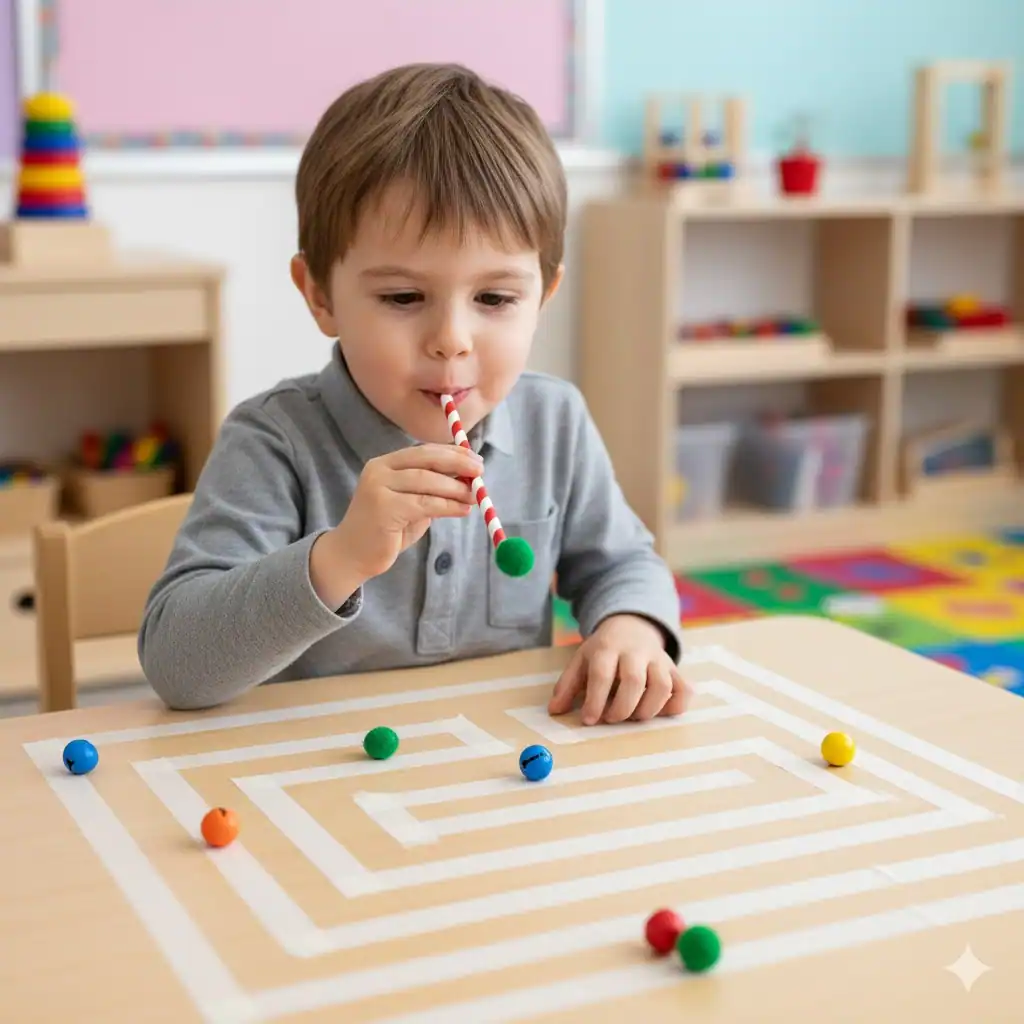
Tape a maze on the floor or table using masking tape and give your preschooler a straw and a pom-pom. The challenge? Blow the pom-pom through the maze without using hands.
They’ll laugh nonstop while improving breath control and coordination. It’s silly, simple, and surprisingly effective.
Quick Tips for Success
- Keep it short. Preschoolers have the attention span of a goldfish. Start with 5–10 minutes and build up.
- Rotate activities. Don’t do the same thing every day. Variety keeps it exciting.
- Focus on fun, not perfection. If the beads roll under the couch or the paper gets torn — who cares? The goal is effort, not precision.
- Join in sometimes. Kids love when you play with them. Plus, it’s an excuse to act like a kid again.
- Praise the effort. “Wow, I love how hard you’re trying!” goes way further than “That’s perfect.”
The Bottom Line
Fine motor skills may sound technical, but in reality, it’s all about play with purpose. Whether you’re stringing beads, scooping cotton balls, or blowing pom-poms through a maze, each tiny movement helps your preschooler grow stronger, smarter, and more independent.
And hey, if they’re entertained long enough for you to sip your coffee while it’s still warm — that’s just a bonus, right? 😉
So go ahead, grab a few supplies, and pick one of these 21 genius preschool fine motor activities to try today. I guarantee you’ll see big progress in those tiny hands — and maybe even rediscover how fun simple play can be.