
Let’s be honest — keeping preschoolers busy and learning at the same time feels like trying to fold a fitted sheet. Possible? Sure. Easy? Not really. Between their endless energy, short attention spans, and the constant “why?” questions, you sometimes feel like a full-time entertainer, scientist, and negotiator rolled into one. But don’t worry — I’ve got your back!
Today, I’m sharing 17 fun and easy preschool activities that work like magic to keep your little ones engaged, learning, and happy (while you sneak in a well-deserved coffee ☕). These are activities that I’ve either done with kids myself or have seen parents swear by. They’re easy to set up, use simple materials, and — most importantly — they’re actually fun for both you and the kids.
So, ready to make learning feel like playtime? Let’s jump right in!
1. DIY Sensory Bins — Because Mess Is Just “Creative Exploration” 😉
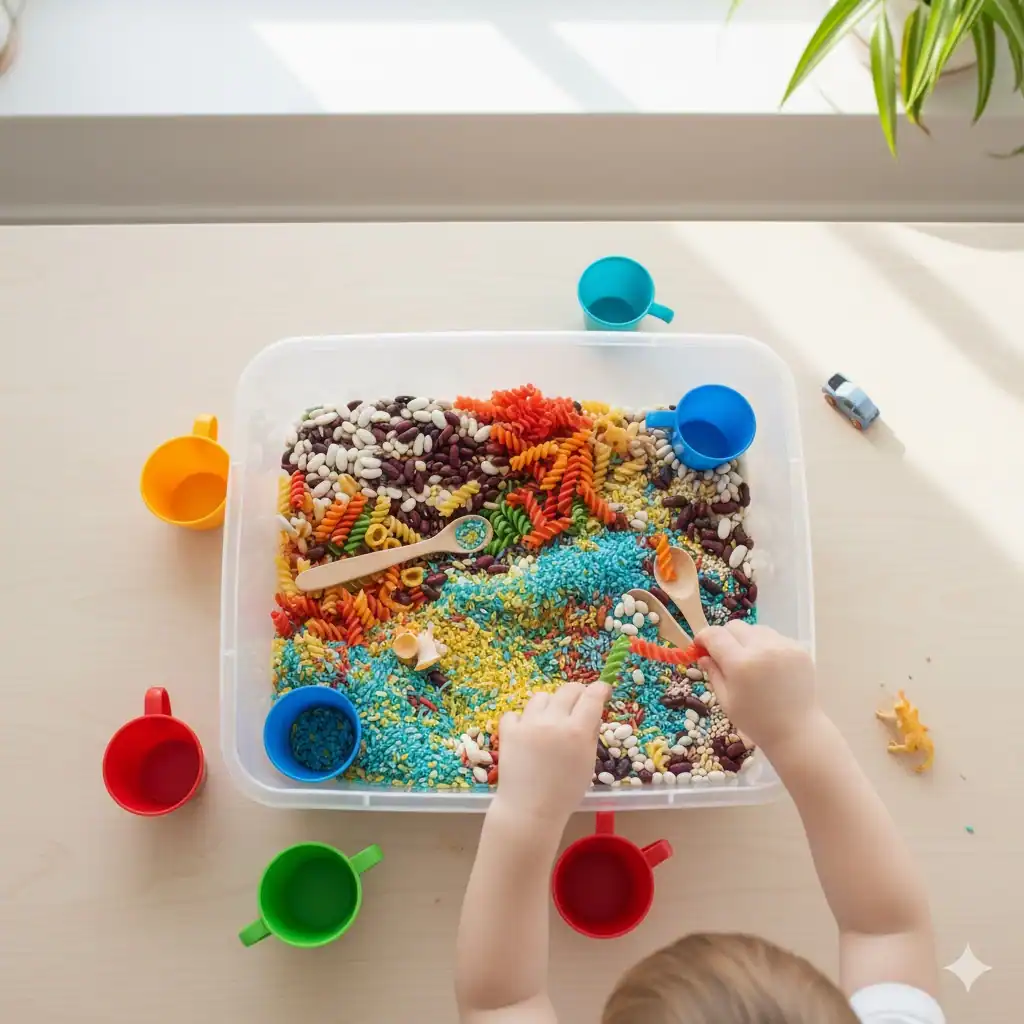
You can never go wrong with a good sensory bin. Kids love them because they can squish, scoop, and explore textures — and you’ll love them because they buy you 30 minutes of peaceful silence.
All you need is a plastic tub and some sensory fillers like rice, pasta, beans, or sand. Add a few cups, spoons, and small toys. Then sit back and watch your little scientist at work.
Why it works:
- Boosts fine motor skills
- Encourages independent play
- Strengthens focus and imagination
Pro tip: Color the rice with food dye to make it even more exciting. Just, you know, maybe don’t let them eat it. 😅
2. Nature Treasure Hunt — Outdoor Fun That Feels Like Magic
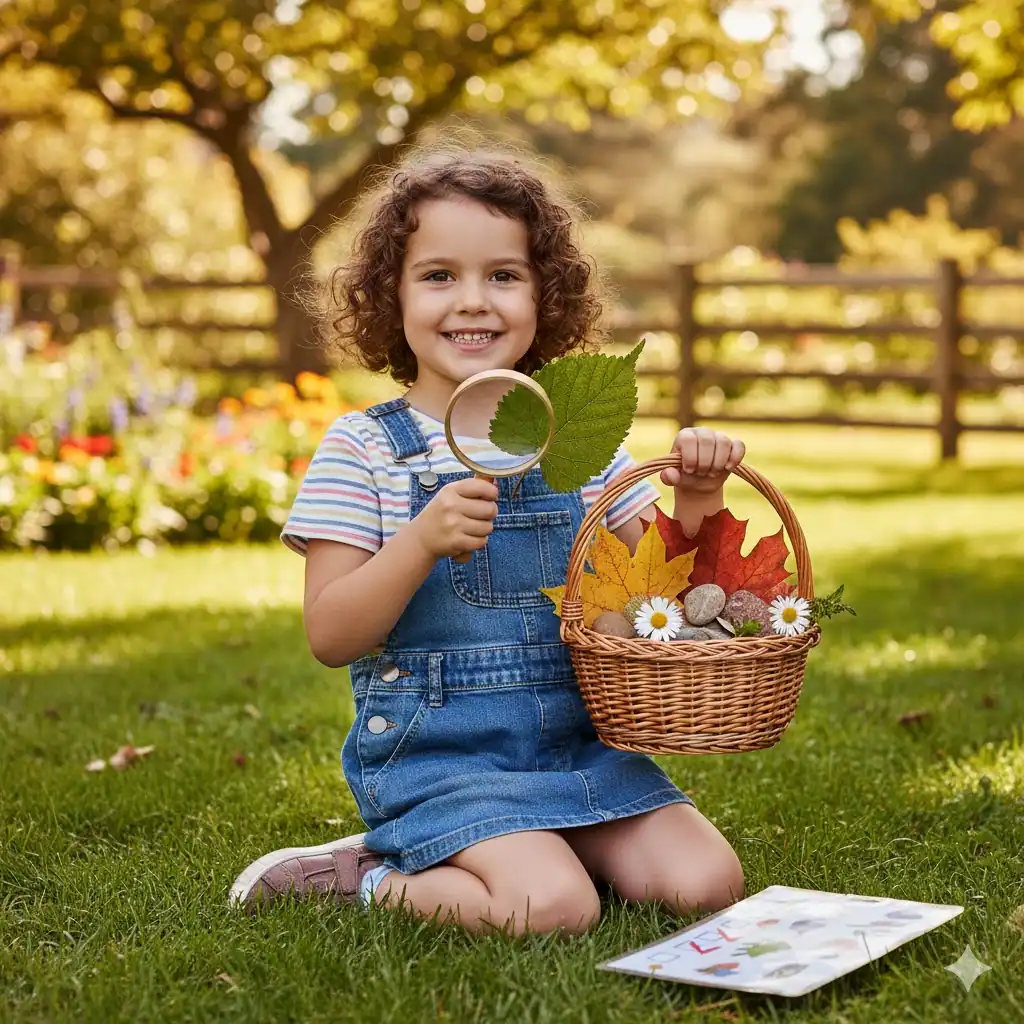
Want to get them outside? Try a nature treasure hunt. Hand your preschooler a small basket and a checklist: a yellow leaf, a smooth rock, a flower, a stick — you get the idea.
Kids love searching for “treasures,” and you’ll love how much energy they burn off. Plus, it’s a sneaky way to teach them about nature, colors, and textures.
Why it works:
- Encourages observation skills
- Promotes physical activity
- Builds appreciation for nature
Ever seen your kid proudly hold up a stick like it’s Excalibur? Yeah, that’s what learning looks like.
3. Alphabet Scavenger Hunt — ABCs on the Go!
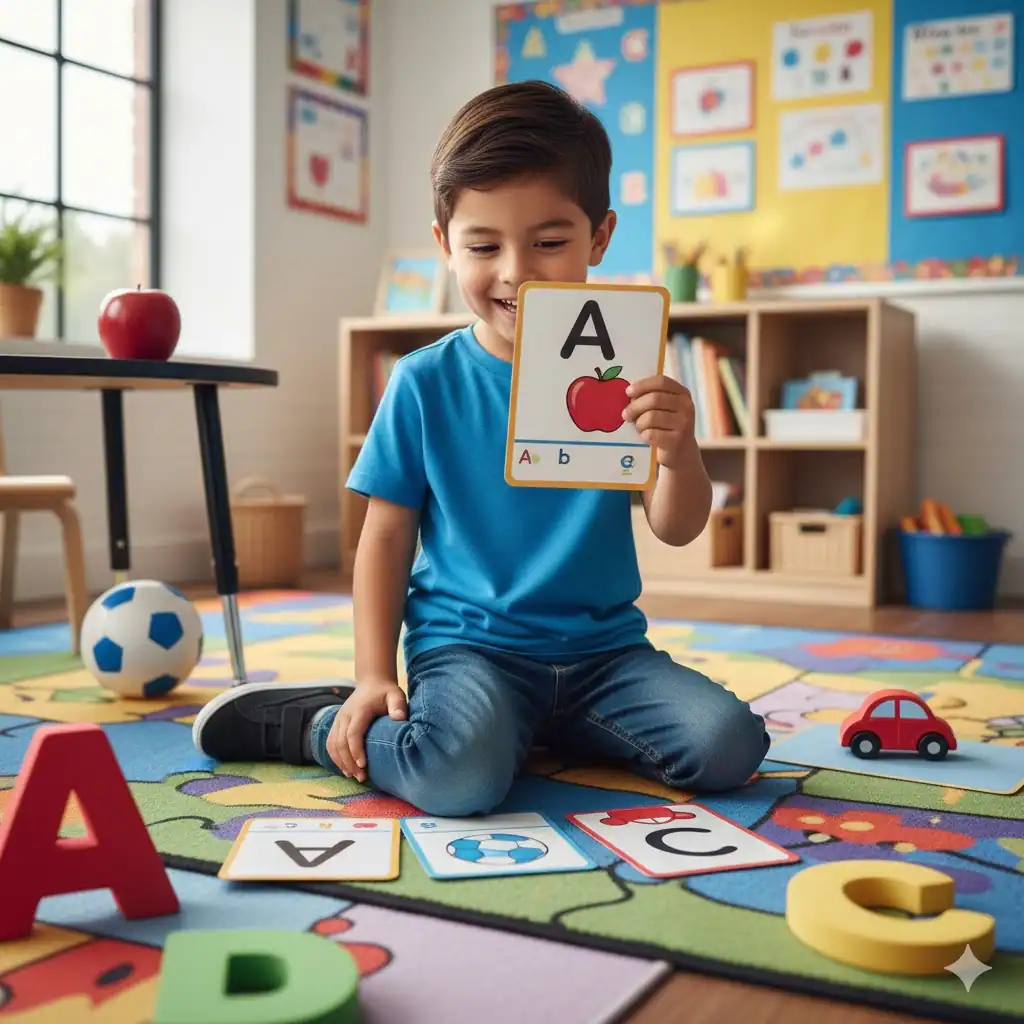
This one’s perfect for indoor or outdoor play. Pick a letter and ask your child to find things around the house (or park) that start with that letter. For example, “Find something that starts with B” — ball, book, banana.
It’s an engaging way to teach letter recognition and phonics, and you don’t need any fancy supplies.
Why it works:
- Strengthens early literacy skills
- Builds vocabulary
- Keeps kids moving and thinking
Bonus: Turn it into a race. Kids love a challenge — and it keeps them from losing interest halfway through.
4. Water Play — Summer’s Best Friend
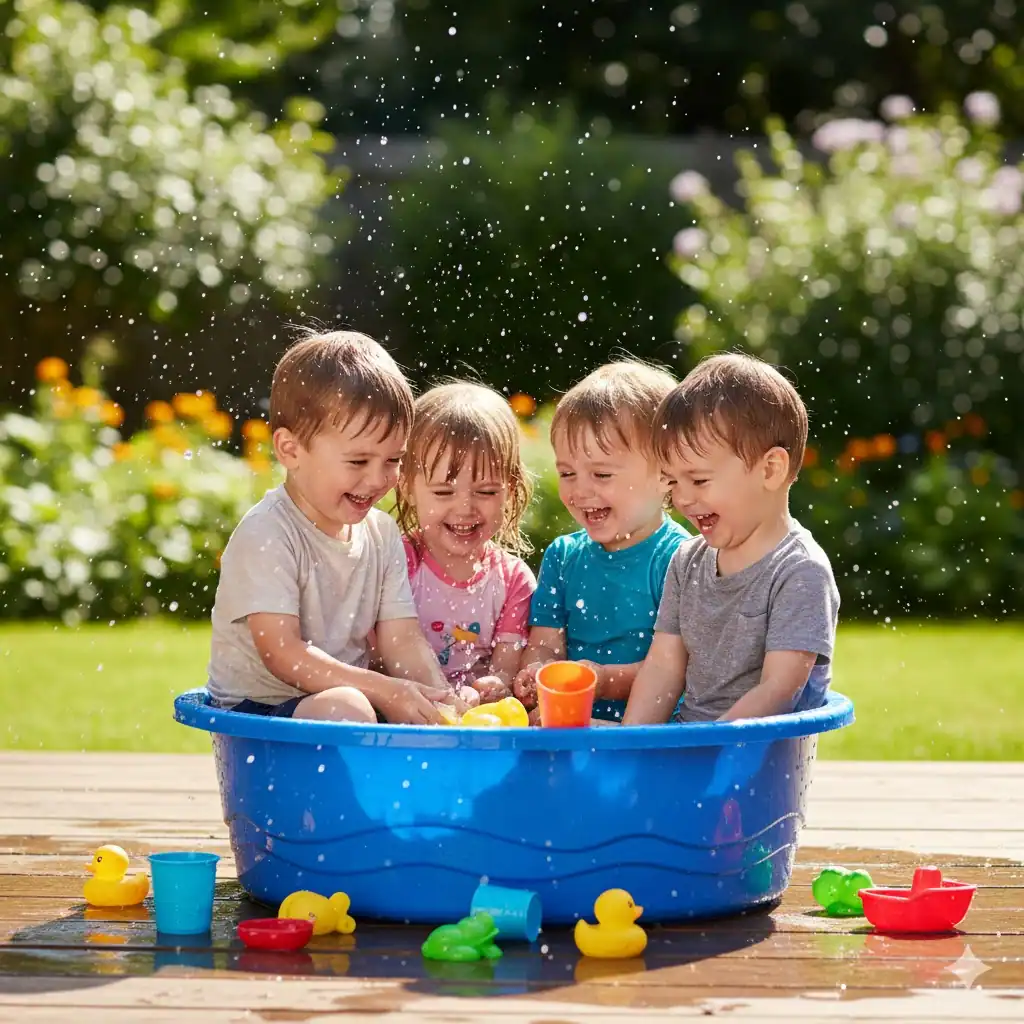
Let’s face it, kids plus water equals instant happiness. Fill a tub or kiddie pool with water, add cups, plastic animals, and floating toys.
If you’re feeling extra, you can throw in ice cubes or colored water for a sensory twist. And no, you don’t need a fancy setup — even a bucket and a few spoons work just fine.
Why it works:
- Builds hand-eye coordination
- Teaches cause and effect
- Keeps kids cool and entertained
Just make sure to keep an eye on them — because “accidentally flooding the patio” happens faster than you think. 😅
5. Playdough Creations — The OG Sensory Toy
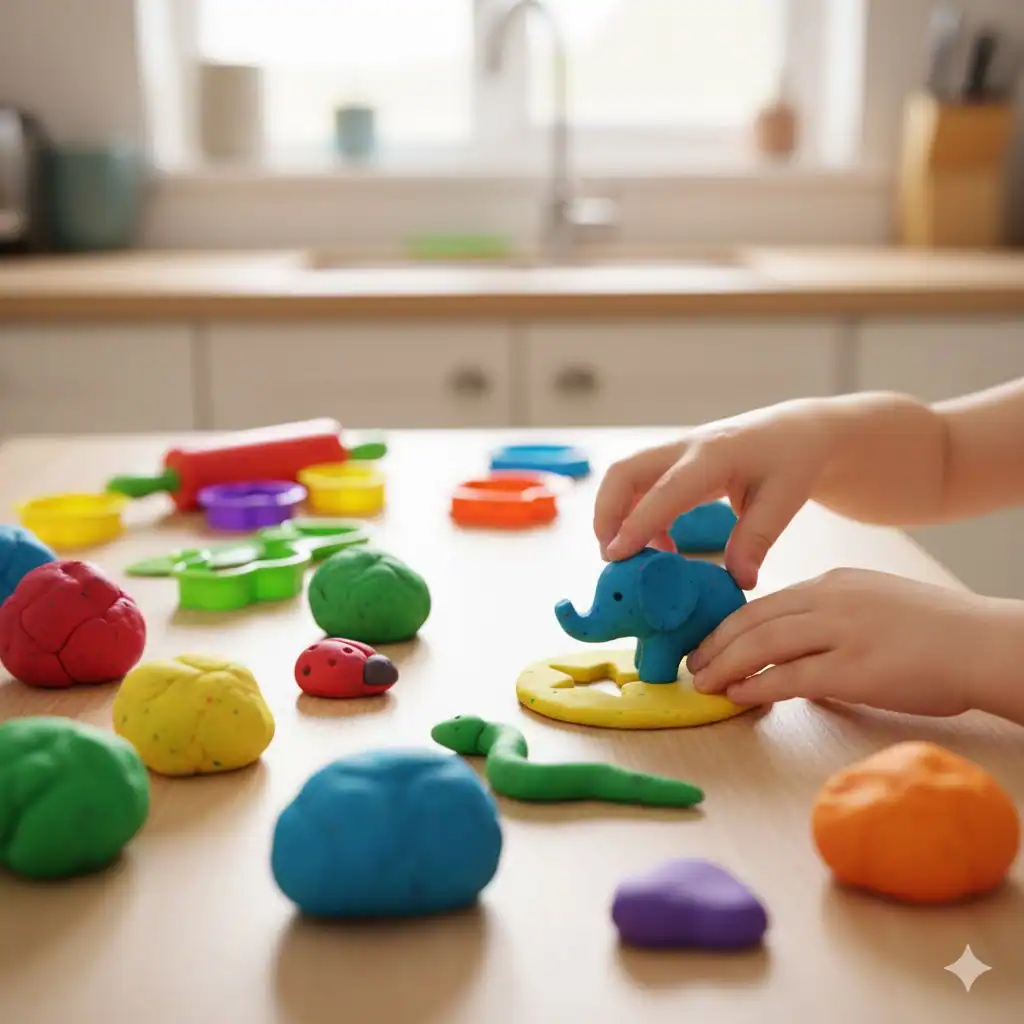
Homemade playdough is a classic for a reason. Kids can roll, squish, and sculpt for hours. You can make your own using flour, salt, oil, and food coloring — super simple and non-toxic.
Let them create animals, pretend food, or even “cookies” for their play kitchen.
Why it works:
- Develops creativity and fine motor control
- Great for imaginative play
- Easy cleanup (mostly)
IMO, playdough is like the ultimate boredom buster. It’s simple, cheap, and keeps little hands busy — which means fewer “I’m bored” moments.
6. DIY Obstacle Course — Tiny Ninjas in the Making
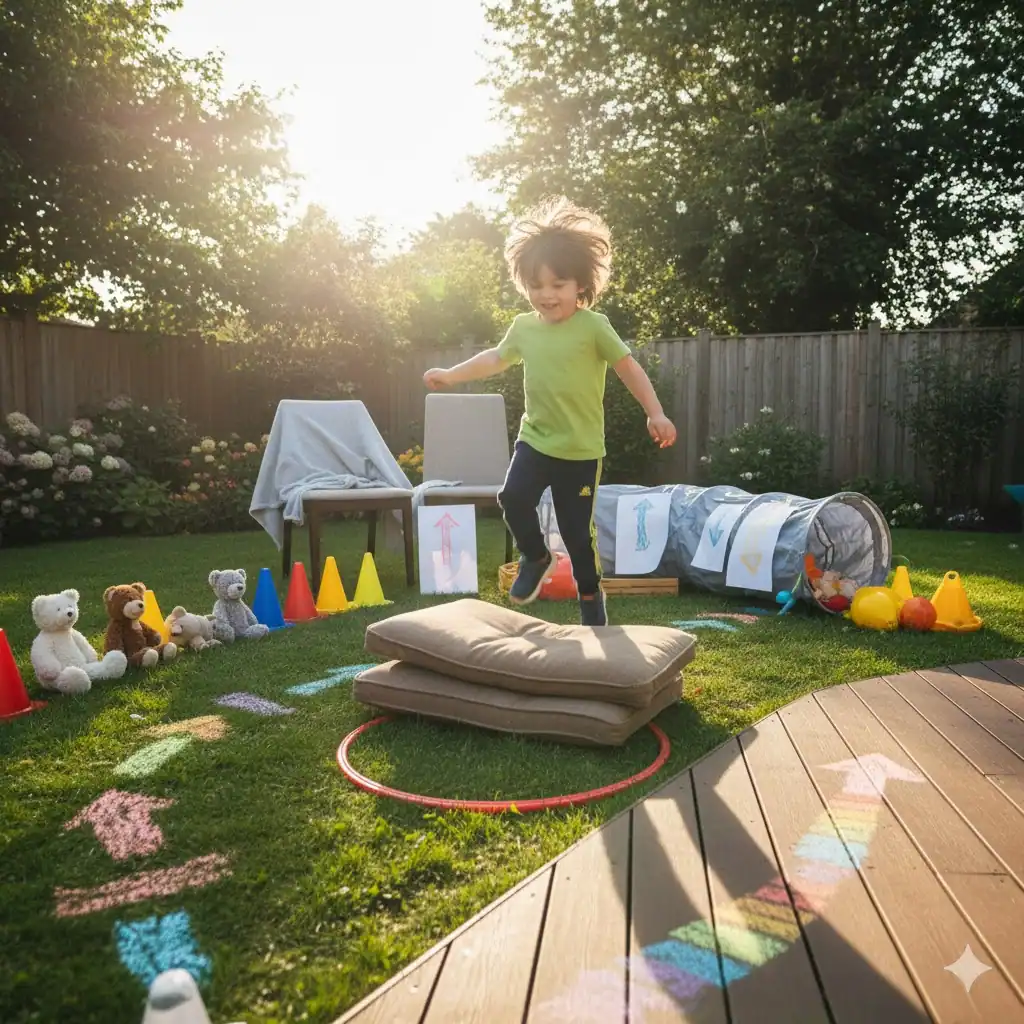
Turn your living room or backyard into a mini obstacle course using cushions, chairs, hula hoops, and tunnels (or even cardboard boxes).
Challenge your kid to crawl under, jump over, and balance through obstacles. You can even time them — because preschoolers love pretending they’re in a race.
Why it works:
- Builds gross motor skills
- Encourages problem-solving
- Burns off tons of energy (you’re welcome)
FYI: You’ll probably end up joining in — because it’s surprisingly fun. Just stretch first. 😆
7. Story Time Theater — Where Imagination Takes the Stage
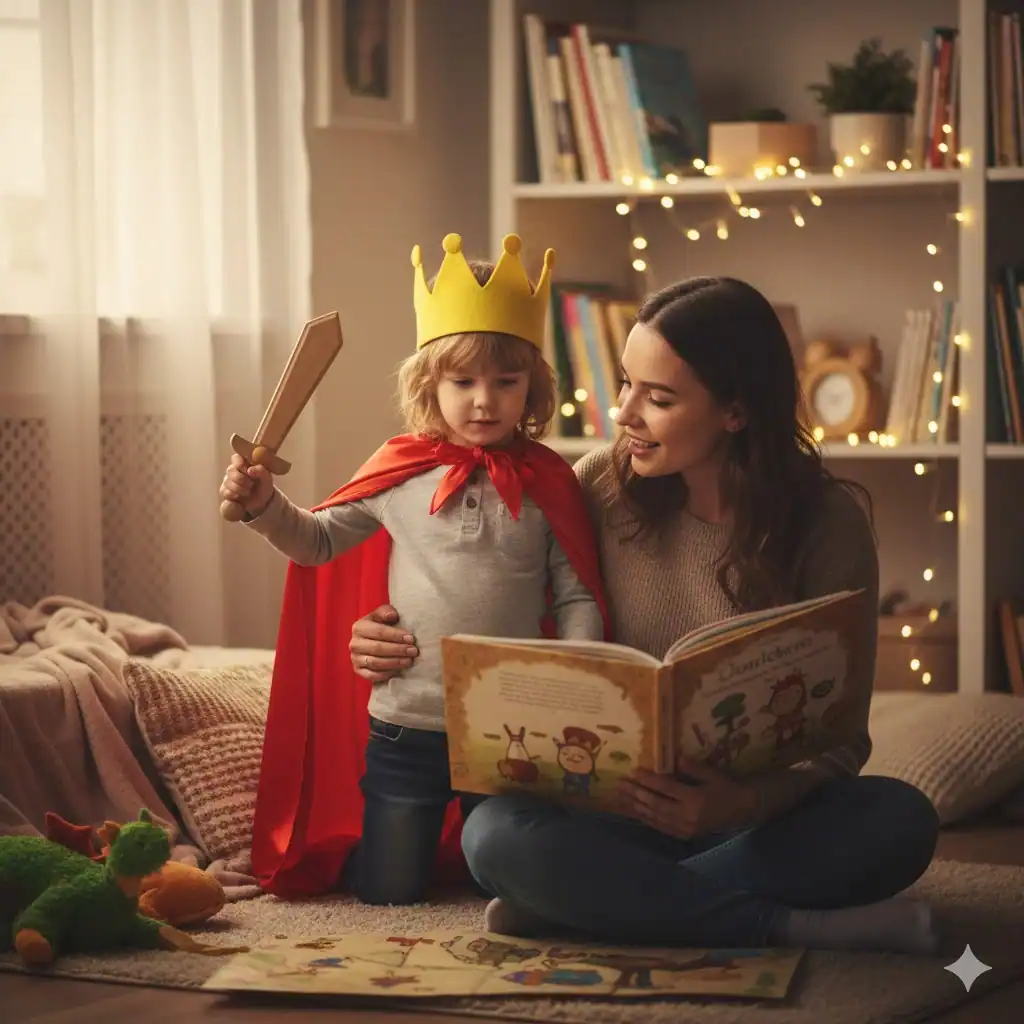
Reading is great. Acting out the story? Even better. Pick your child’s favorite book and turn it into a mini play. Use props, voices, and silly costumes.
This one always gets giggles — and secretly teaches language development and confidence.
Why it works:
- Improves listening and comprehension skills
- Boosts creativity and expression
- Strengthens parent-child bonding
Ever heard a 4-year-old dramatically yell, “Fee-fi-fo-fum!”? Pure gold.
8. Color Sorting Games — Simple Yet Brilliant
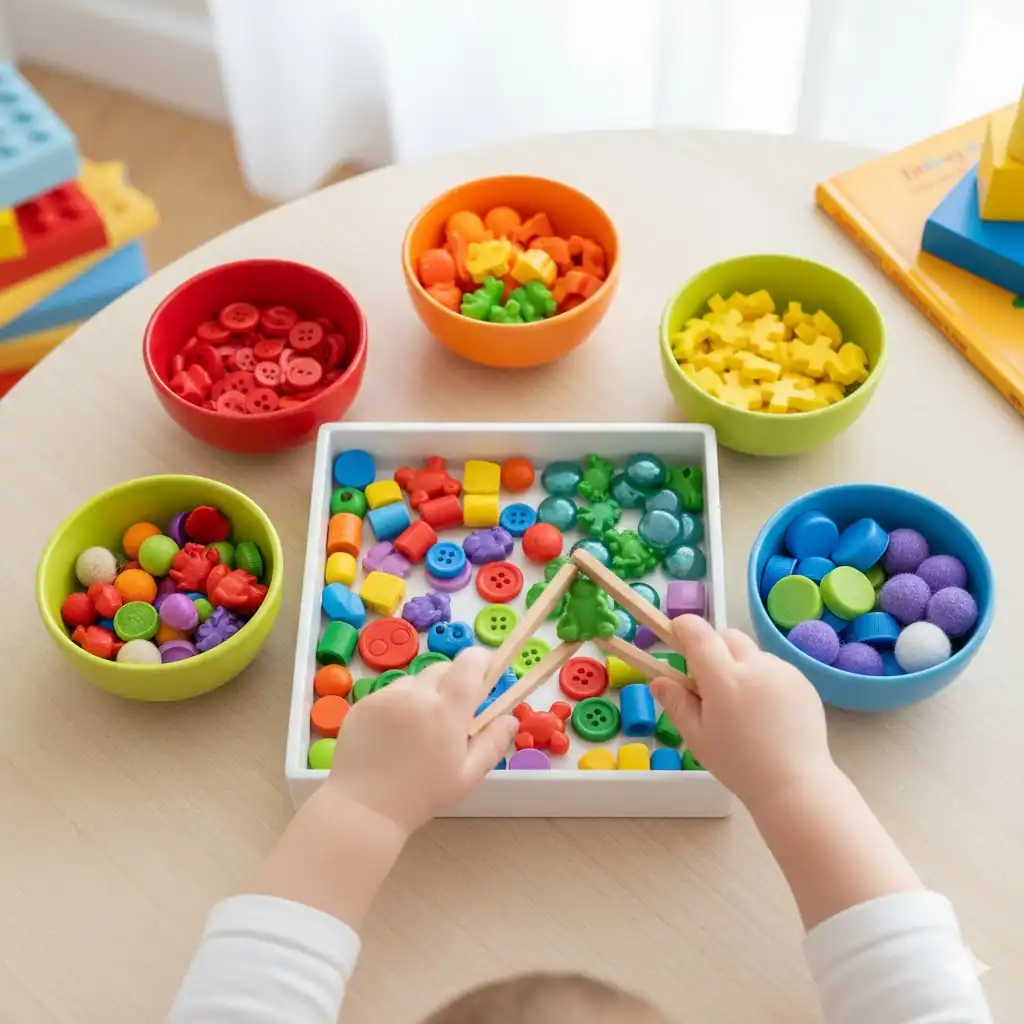
Grab some colorful items (blocks, buttons, toys) and have your child sort them by color into matching bowls or containers.
It sounds basic, but for preschoolers, this is like brain gymnastics.
Why it works:
- Builds visual discrimination
- Teaches color recognition
- Introduces early math concepts
Add a twist: use tongs or spoons to move the items — fine motor bonus points!
9. Painting with Nature — Art Meets Adventure
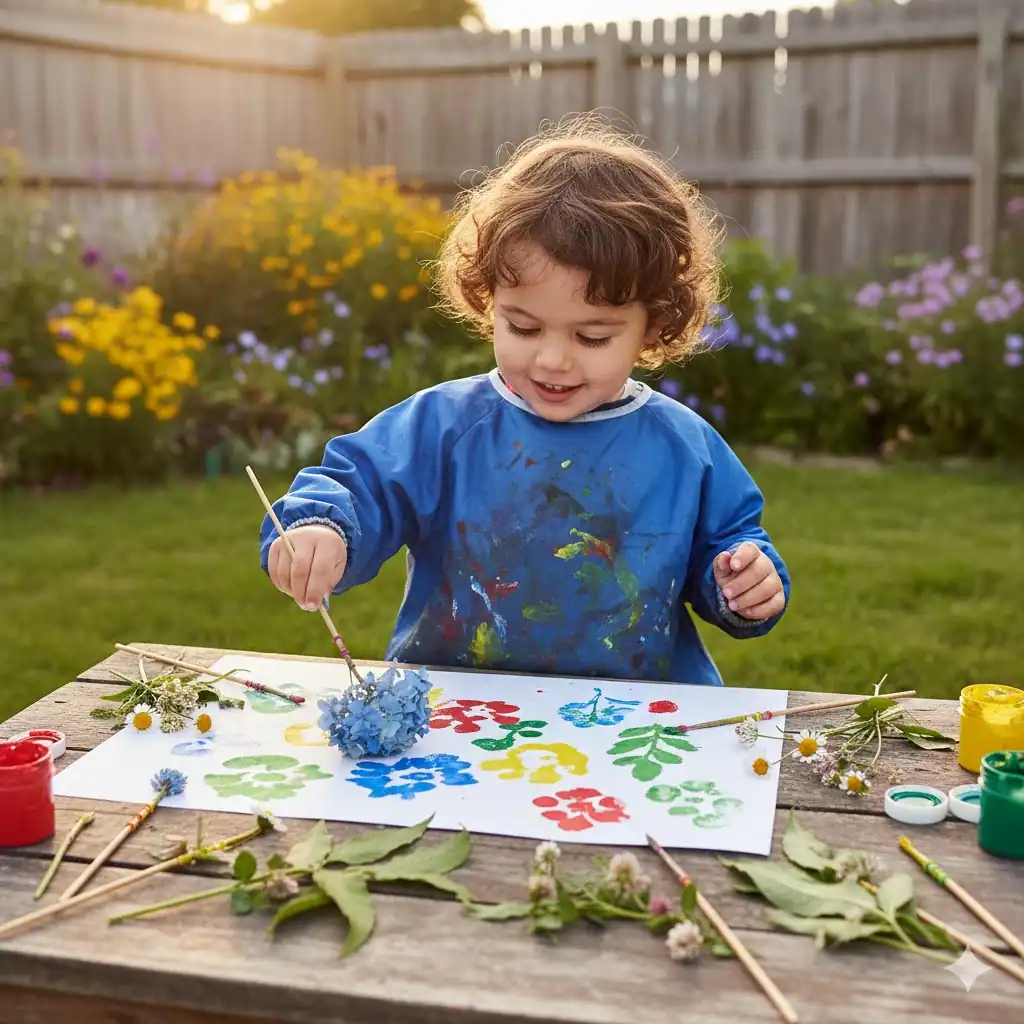
Who said brushes are the only way to paint? Grab leaves, flowers, sticks, or even pinecones, and dip them into paint. Kids can stamp, roll, and dab to create their own masterpieces.
Why it works:
- Encourages creativity and sensory exploration
- Teaches kids about textures and patterns
- Combines art and nature
Plus, it’s eco-friendly art — and it gets them outside instead of glued to a tablet. Win-win!
10. DIY Musical Band — Because Who Needs Quiet Anyway? 😅
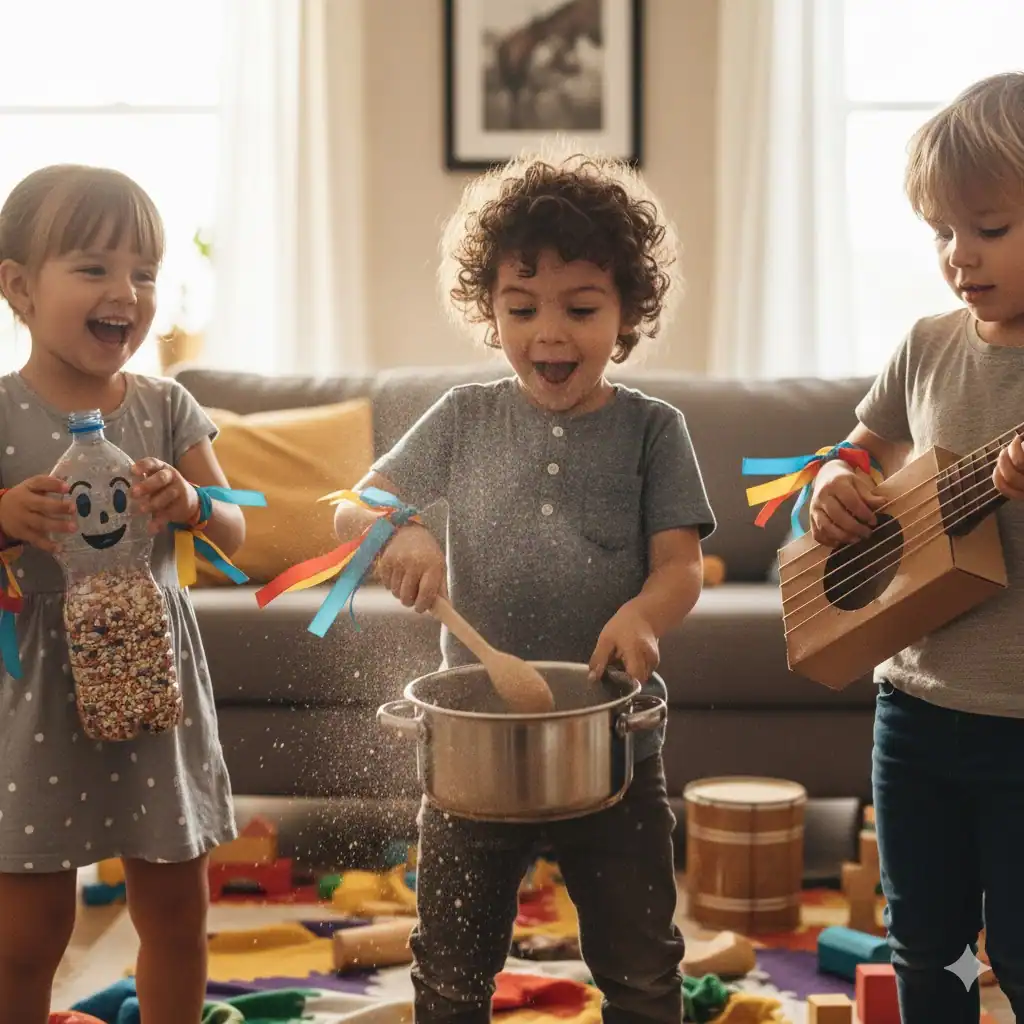
Got pots, pans, and wooden spoons? Congratulations, you’ve got a band! Let your kids experiment with sounds, rhythms, and volume.
You can even make homemade instruments — rice in bottles for shakers, rubber bands over boxes for guitars.
Why it works:
- Enhances auditory development
- Builds rhythm and coordination
- Encourages self-expression
Sure, your ears might beg for mercy later, but hey — it’s music education!
11. Shape Hunt — Geometry in Disguise

Shapes are everywhere, and this game proves it. Draw or print a few shapes (circle, square, triangle, etc.) and challenge your child to find objects around the house that match them.
Why it works:
- Improves spatial awareness
- Strengthens shape recognition
- Encourages observation and thinking
Pro tip: Take it outdoors! Trees, leaves, or even clouds can become part of the fun.
12. Sensory Walk — Nature’s Foot Spa
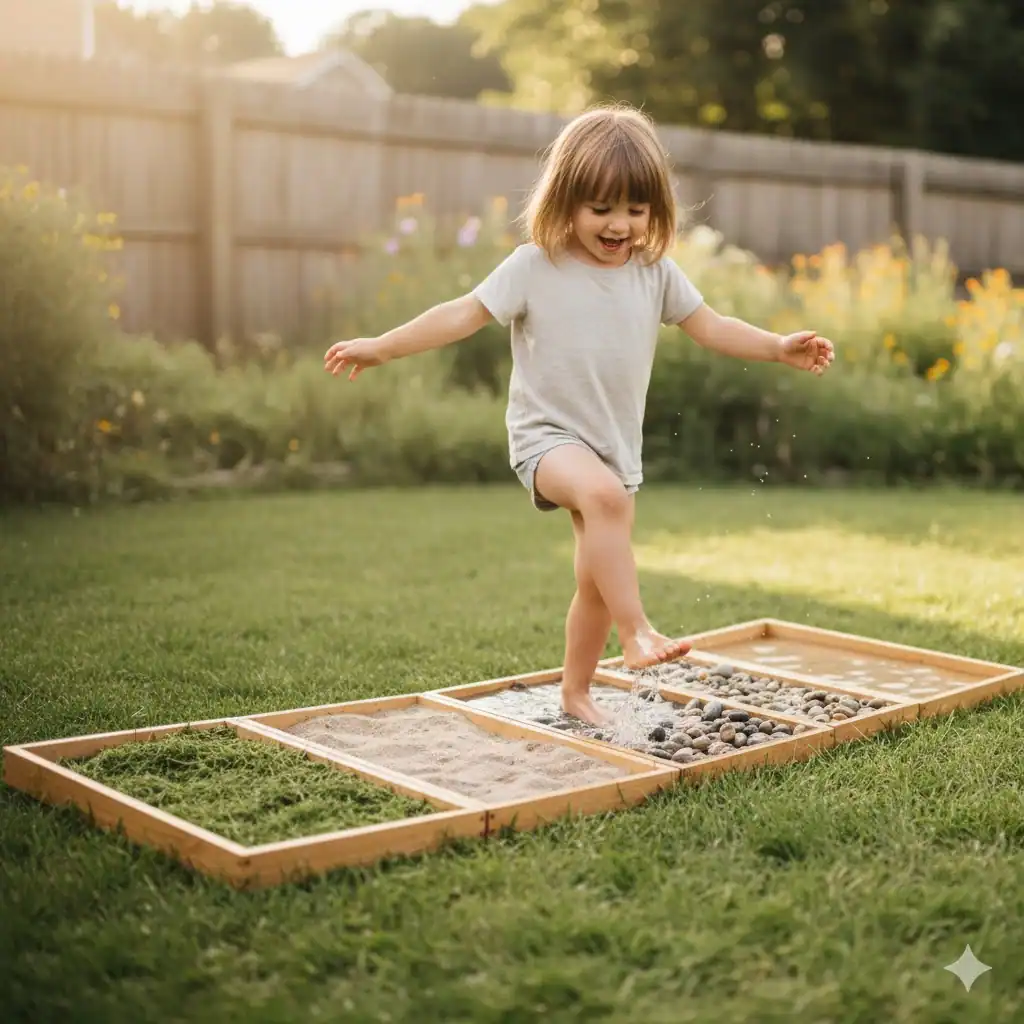
This one’s a total hit on warm days. Create a sensory path using materials like grass, sand, pebbles, fabric, and water in shallow trays.
Let your child walk barefoot across each section and describe how it feels — soft, rough, cold, tickly!
Why it works:
- Develops sensory awareness
- Encourages descriptive language
- Strengthens balance and coordination
It’s like a mini spa day for tiny feet (and yes, it’s oddly relaxing to watch).
13. Bubble Science — Because Bubbles = Happiness
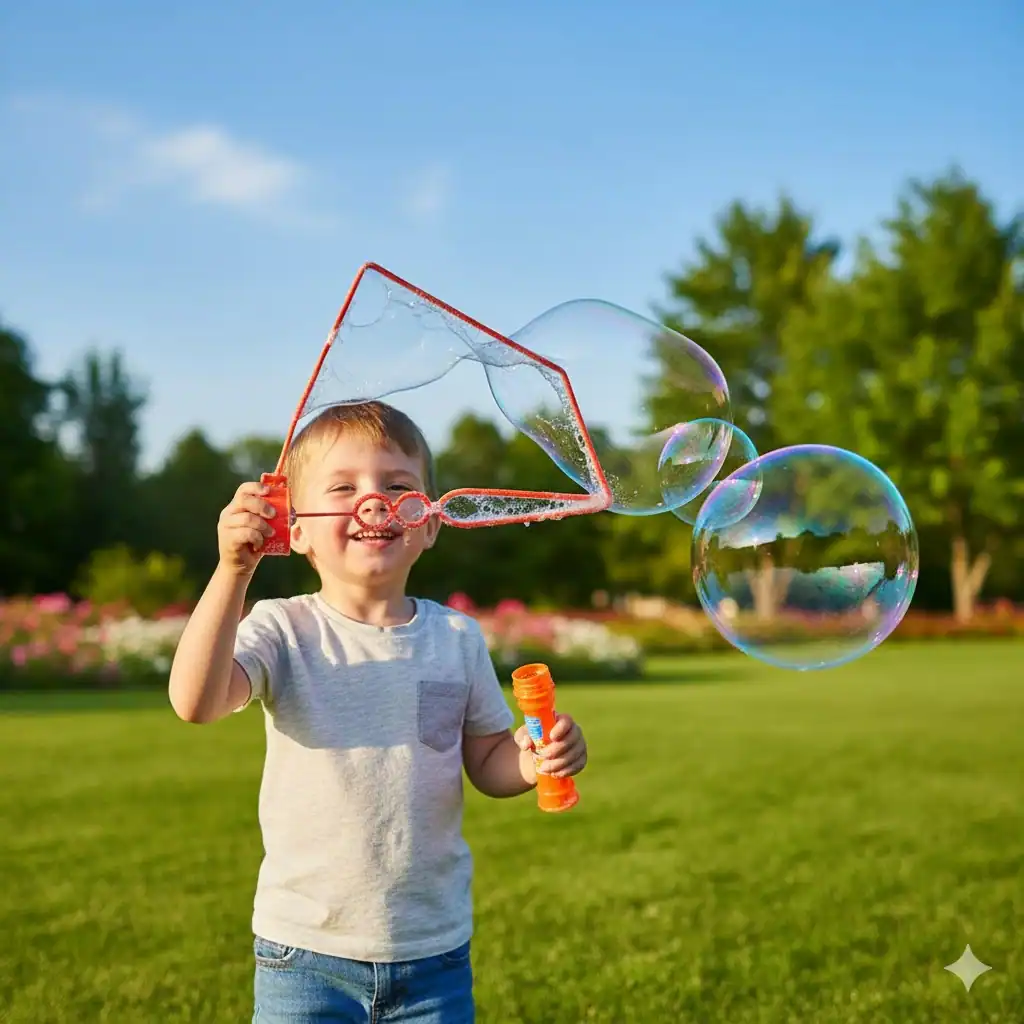
Mix water, dish soap, and a little sugar or corn syrup (it makes the bubbles stronger). Hand your preschooler a wand and let them explore!
You can experiment with shapes, sizes, or even colored bubbles.
Why it works:
- Teaches cause and effect
- Introduces basic science
- Strengthens motor skills
Ask questions like, “What happens if we blow slowly?” or “Which bubble flies higher?” Instant mini science lesson.
14. Cooking Together — Mini Chefs at Work
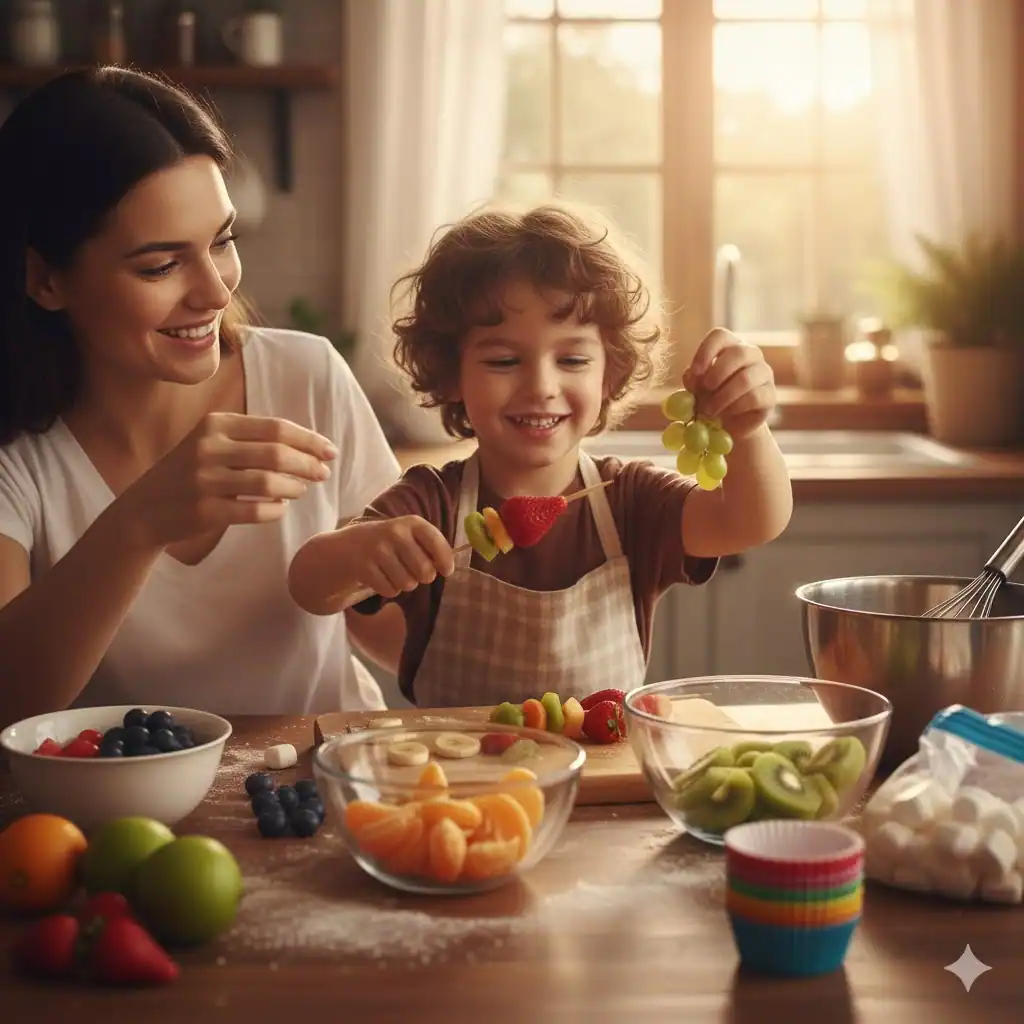
Preschoolers love helping in the kitchen — and it’s the perfect chance to sneak in some learning. Let them pour, stir, or decorate cupcakes.
Even simple snacks like fruit kabobs or sandwiches become mini lessons in math, counting, and following instructions.
Why it works:
- Builds fine motor skills
- Encourages independence
- Teaches basic math and science
Bonus: They’re more likely to eat what they helped make. (Parent hack unlocked!)
15. DIY Bird Feeder — Teach Kindness to Nature
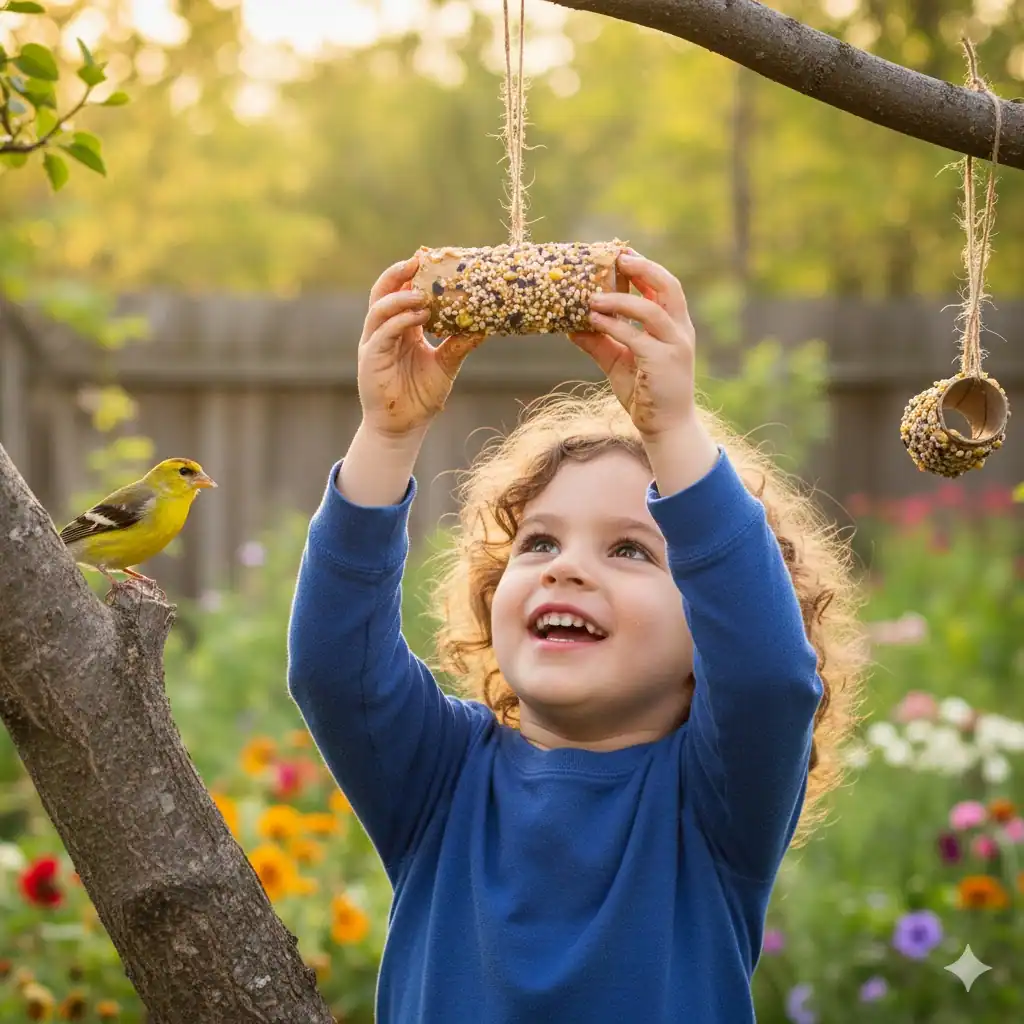
Grab a toilet paper roll, spread peanut butter on it, and roll it in birdseed. Slide it onto a stick or hang it with a string — instant bird feeder!
Your preschooler will love watching birds visit their creation.
Why it works:
- Teaches empathy for animals
- Encourages observation and patience
- Connects kids with nature
Plus, you’ll score cool points for being the “fun parent who feeds the birds.” 🐦
16. Memory Tray Game — Preschool Edition
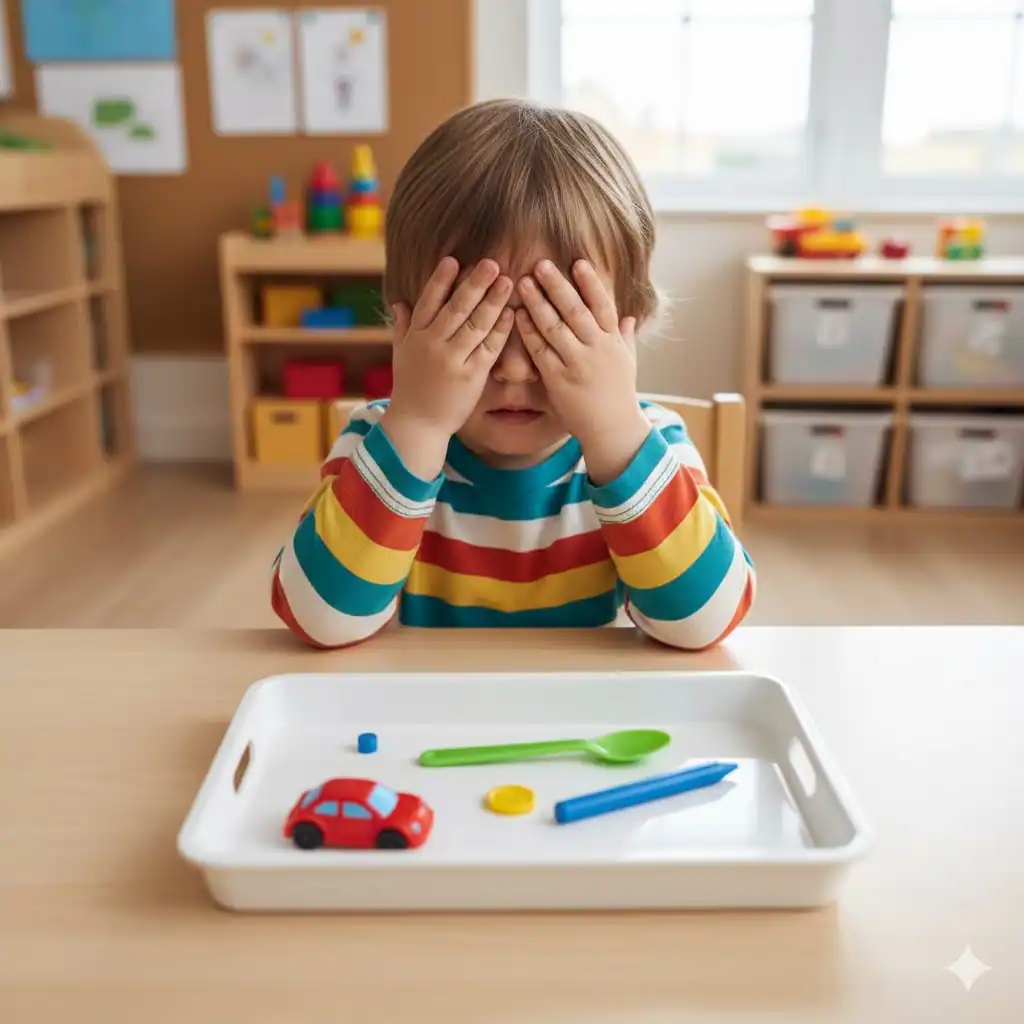
Place 6–8 small objects on a tray (toy car, spoon, crayon, etc.). Let your child look for 30 seconds, then cover it and secretly remove one. Ask them which one’s missing!
Why it works:
- Builds memory and concentration
- Teaches attention to detail
- Perfect quiet-time game
Make it harder by adding more items or shortening the look time. They’ll love the challenge!
17. Shadow Art — Sunshine + Creativity = Magic
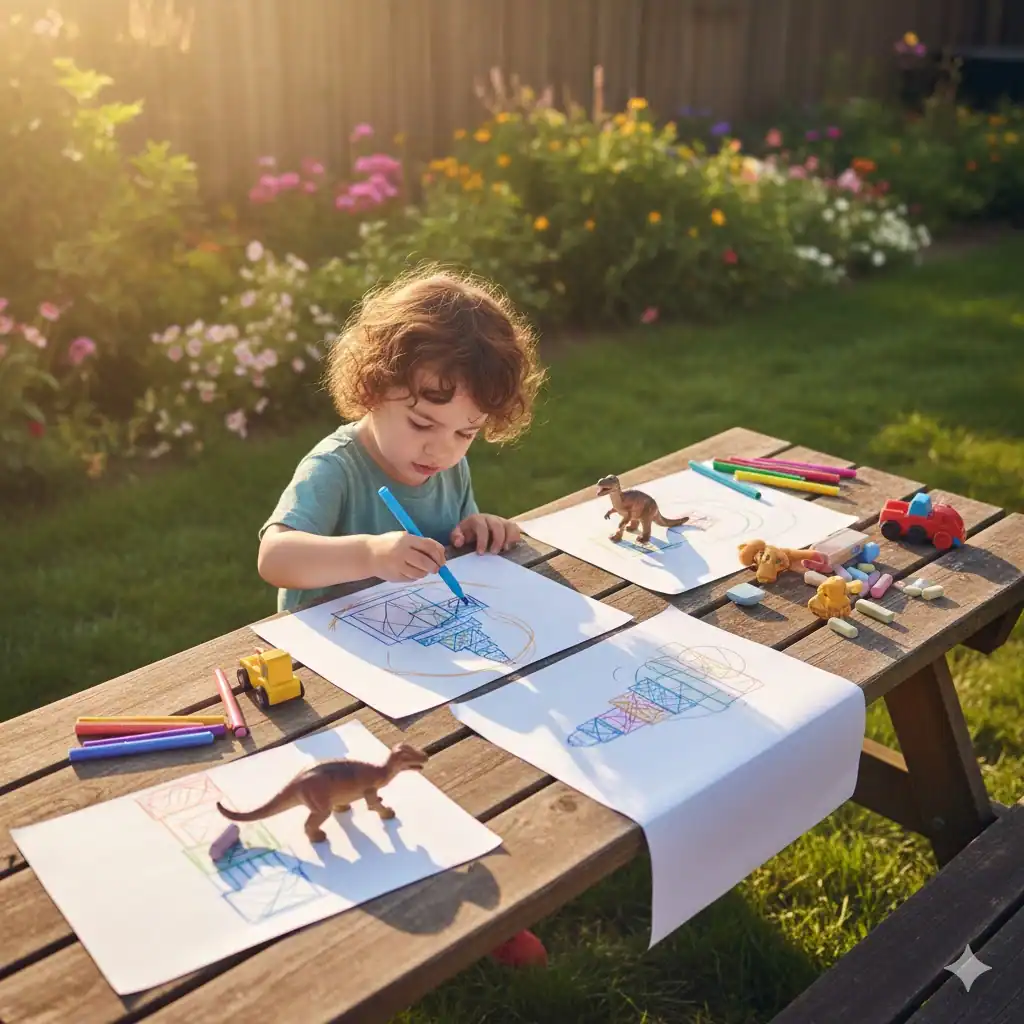
For this one, grab paper, markers, and a few toys. Set them up in sunlight so they cast shadows on the paper. Have your child trace and color the outlines.
Why it works:
- Teaches about light and perspective
- Improves hand-eye coordination
- Encourages creativity
It’s like art meets science — and it looks gorgeous when they’re done.
Bonus Tips for Maximum Fun (and Minimum Chaos):
Because let’s be honest, activities are fun… until glitter explodes or someone paints the dog. 😅
Here are a few quick tips to make playtime smooth and stress-free:
- Set up stations: Rotate between 3–4 small activities to keep things fresh.
- Go with the flow: If they get obsessed with one activity, let them roll with it.
- Keep materials handy: A “creativity box” with paper, glue, crayons, and small toys can save the day.
- Join the fun: Kids learn best when you play with them, not just supervise.
Why These Activities Matter (Yes, There’s Science Behind the Fun!)
Preschoolers don’t just play — they learn through play. These activities support key areas of development:
- Cognitive skills: Memory, problem-solving, and focus
- Motor skills: Hand-eye coordination and movement
- Social-emotional growth: Sharing, patience, and confidence
- Creativity: Imagination and expression
Every time your kid builds a tower, paints with leaves, or plays “chef,” their brain lights up like a Christmas tree. Pretty cool, right?
Final Thoughts — Keep It Fun, Keep It Simple
At the end of the day, preschool activities shouldn’t feel like a chore — for you or your child. The goal isn’t perfection; it’s connection. Whether you’re playing with paint, splashing in water, or pretending to be pirates in the backyard, you’re helping your little one learn, grow, and feel loved.
And if some days all you manage is building a blanket fort and calling it “school”? That still counts. 😉
So go ahead — pick a few of these fun and easy preschool activities, grab your tiny explorer, and start making memories (and maybe a few messes).
Because the best kind of learning doesn’t happen in a classroom — it happens when kids are free to play, explore, and be their curious, creative selves. ❤️