Let me guess — you’ve got your sweet little bundle of joy staring at you with those “feed me!” eyes, and suddenly you’re wondering: “Wait… am I doing this right?” 😅 Trust me, every mom (including me!) has had that mini heart attack moment trying to figure out how much food is too much… or too little.
You’ve probably seen a thousand “baby feeding charts” on Pinterest, Instagram, or random parenting blogs — all looking different, all claiming to be the one. But here’s the truth: feeding your baby doesn’t have to be a guessing game.
In this guide, we’ll break down the ultimate baby feeding chart — the one that’s practical, pediatrician-backed, and totally mom-approved. I’ll also share a few personal lessons from my own feeding adventures (and misadventures 🙃).
Ready? Let’s make feeding time simple, fun, and maybe even a little stress-free.
What Exactly Is a Baby Feeding Chart (and Why You Need One)?
A baby feeding chart is like your roadmap for introducing foods and tracking what your baby eats as they grow. Think of it as your secret cheat sheet that tells you:
- What foods your baby can eat at each age
- How often and how much to feed them
- When to introduce solids, textures, and sippy cups
Basically, it saves you from the “Wait, can my 8-month-old have eggs yet?” panic at 2 AM.
FYI: Babies grow fast — like, blink-and-they’ve-outgrown-their-clothes fast — so their nutritional needs change constantly. Having a structured feeding plan makes sure your little one gets the right nutrients at the right time.
Baby Feeding Chart by Age — The Only Guide You’ll Ever Need

This is the part every new parent scrolls down to. Don’t worry — I’ve kept it clear, age-wise, and easy to follow. Bookmark this one, mama. You’ll thank yourself later. 😉
0–6 Months: It’s All About the Milk (Seriously!)
At this stage, breast milk or formula is your baby’s best friend. No solid foods yet — your baby’s digestive system isn’t ready, and milk gives them everything they need.
Here’s what to remember:
– Frequency: Every 2–3 hours (around 8–12 times per day for newborns)
– Amount:
– 1–2 oz per feed in the first weeks
– 4–6 oz per feed by 3–6 months
– Tip: Don’t force-feed. Babies know when they’re full. If they turn away or get fussy — take the hint.
And if you’re stressing over “Is my baby drinking enough milk?” — welcome to the club. 🙃 Most babies regain their birth weight by 2 weeks and double it by 4–5 months. That’s your best sign everything’s on track.
6–8 Months: Time to Introduce Solids (Aka the Messy Fun Stage)
This is where the real fun begins — and the laundry doubles. 😅
At 6 months, your baby’s ready to try solid foods along with breast milk or formula. You’ll see signs like sitting up with support and showing interest in what you’re eating (aka staring at your sandwich like it’s gold).
Start with:
- Iron-fortified single-grain baby cereals (like rice or oatmeal)
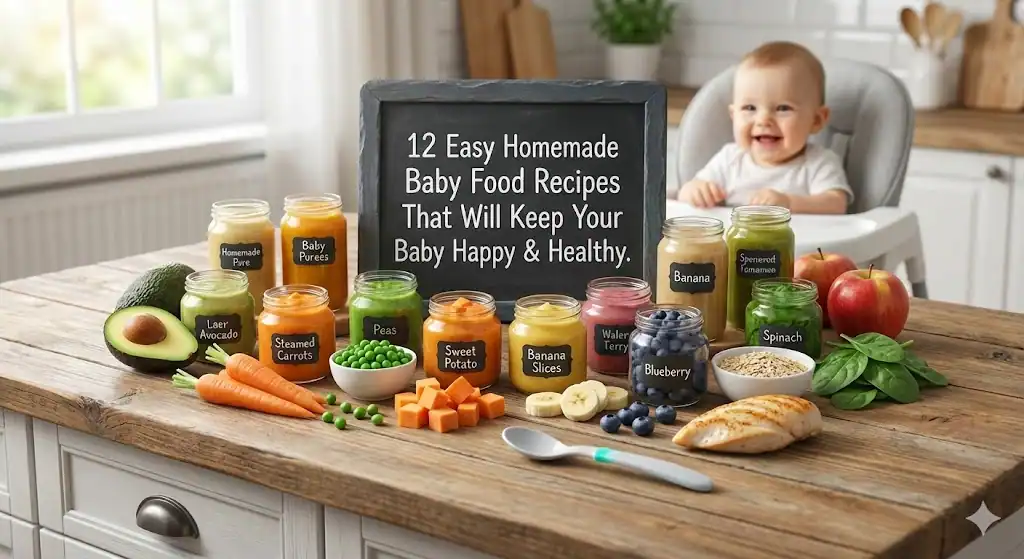
- Pureed fruits and veggies (banana, sweet potato, carrot, apple, pear)
- Pureed protein (lentils, peas, or well-cooked chicken blended smooth)
Feeding schedule:
– Milk: 4–5 feedings per day
– Solid meals: 2–3 tablespoons, twice a day
Pro tip: Introduce one new food every 3 days to watch for allergies. Trust me — nothing tests your detective skills like figuring out what caused that random rash.
8–10 Months: Bring on the Variety
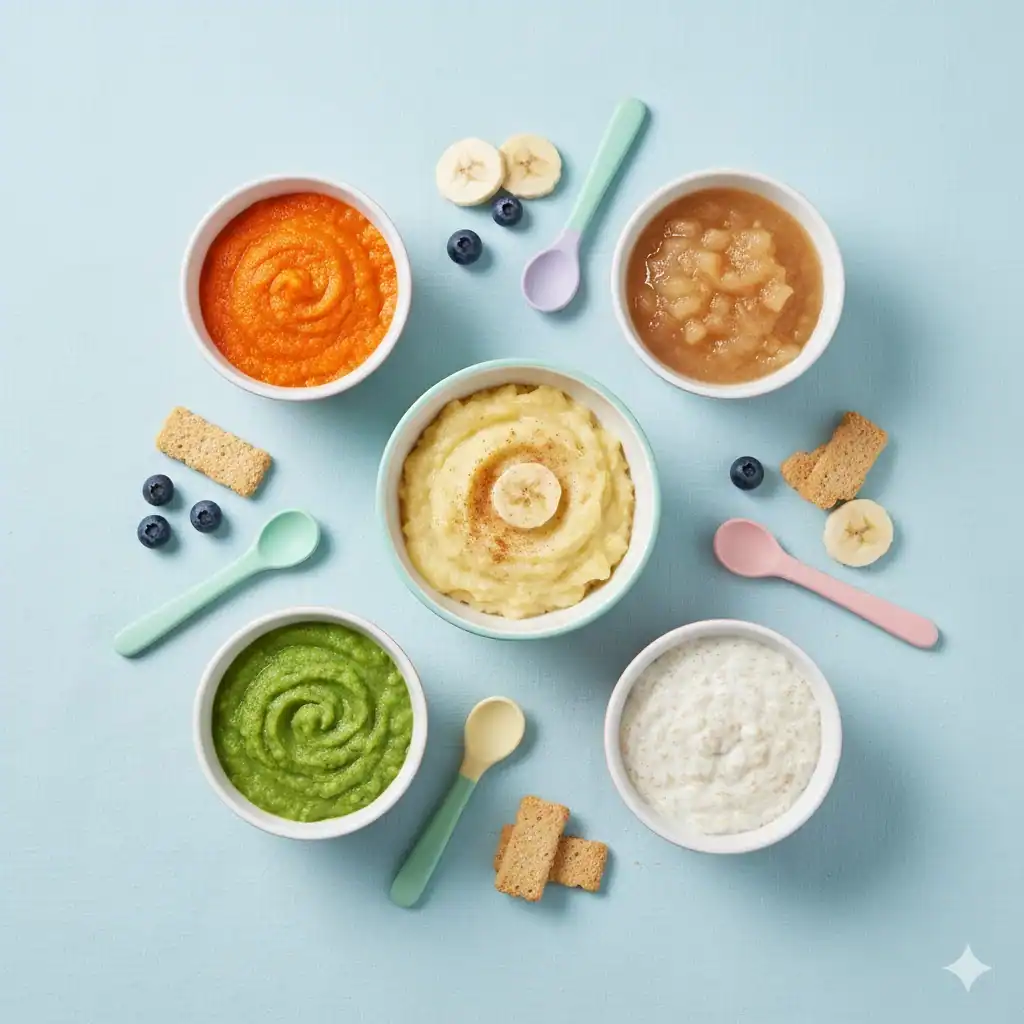
At this stage, your baby starts exploring different textures (and probably throwing half of it on the floor for fun).
You can now include:
- Mashed or soft finger foods (avocado, banana, boiled veggies)
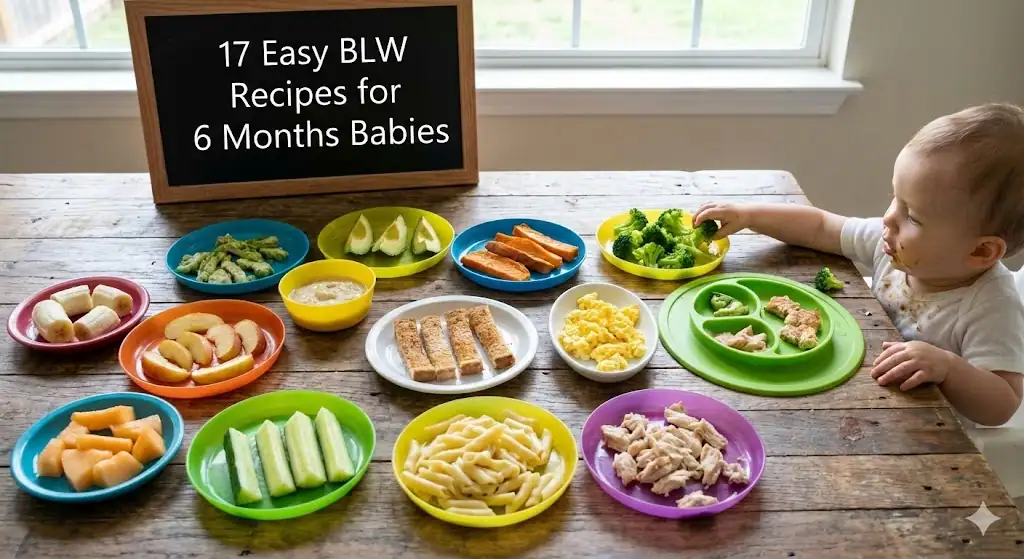
- Soft scrambled eggs
- Tiny pasta or rice
- Minced chicken or tofu
Feeding schedule:
– Milk: 3–4 feedings per day
– Solid meals: 3 small meals + 1–2 snacks
Remember: This is also the time to teach chewing skills. So, encourage self-feeding — even if it means cleaning the high chair like 10 times a day. 😬
10–12 Months: The Mini-Mealtimes Begin
Now your little foodie starts eating more like a tiny version of you. By their first birthday, they’ll get most of their calories from solid food — with milk still as backup.
Include:
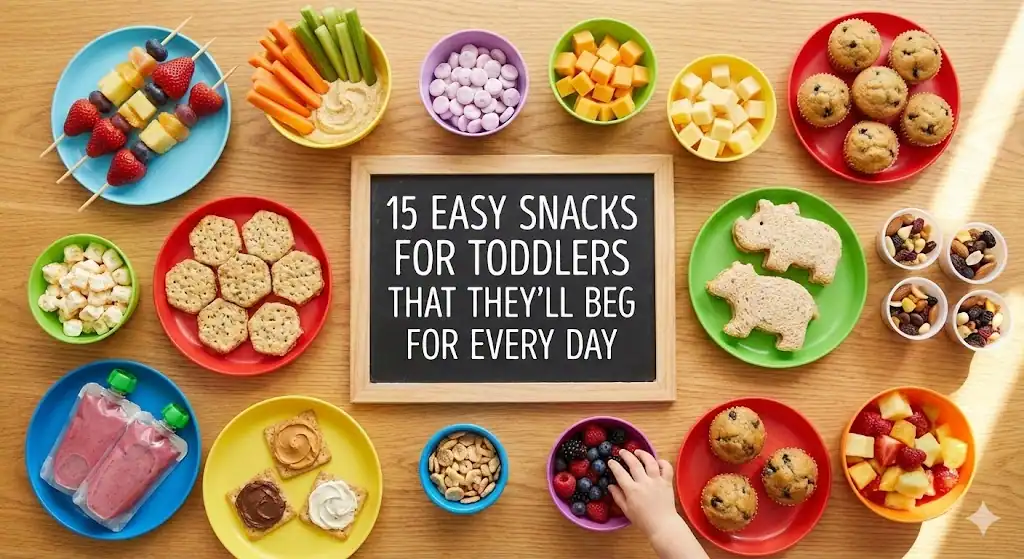
- Chopped fruits and veggies
- Yogurt, cheese, cottage cheese
- Chapati pieces, soft rice, or porridge
- Well-cooked beans and lentils
Feeding schedule:
– Milk: 3 times a day
– Solid meals: 3 main meals + 2 snacks
Tip: Let your baby explore flavors! Avoid salt, sugar, honey, and processed foods. They don’t need that yet — even if they really eye your cookies.
Common Baby Feeding Mistakes (And How to Avoid Them)
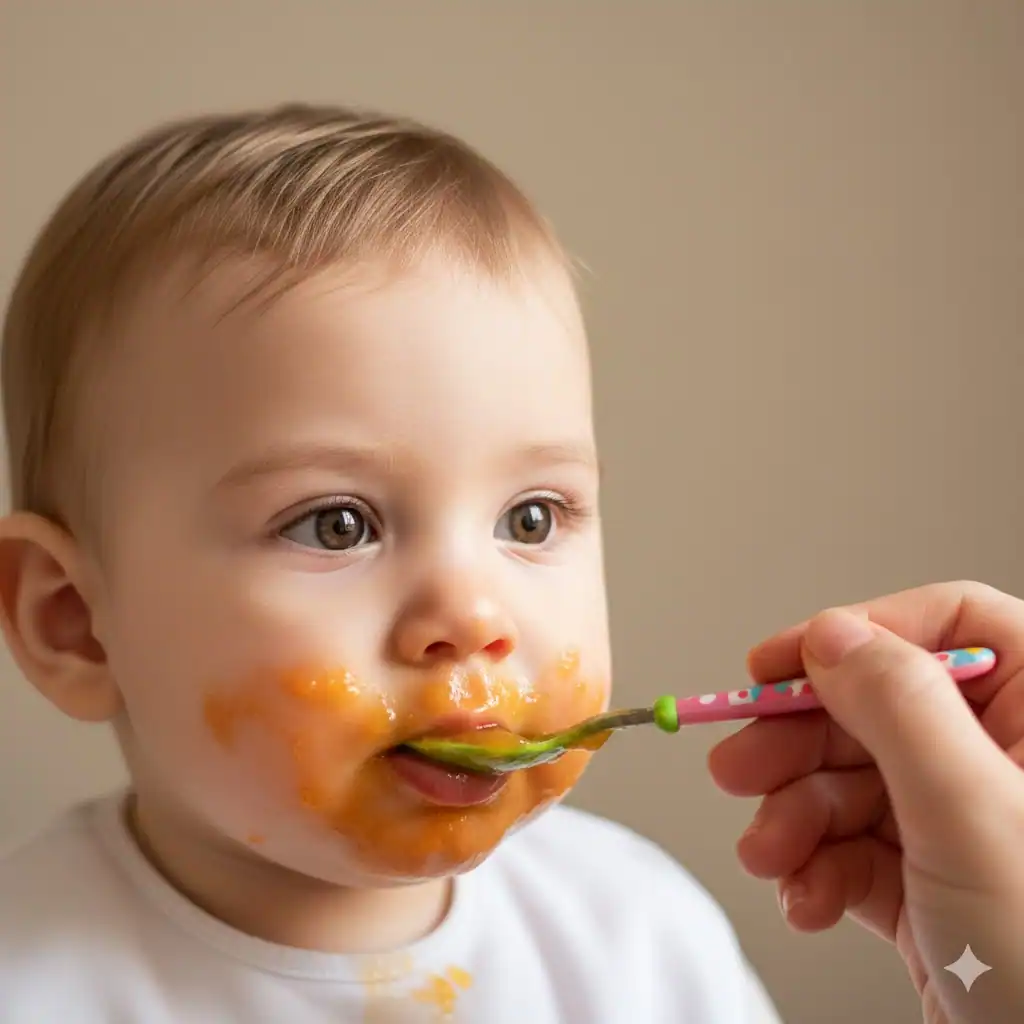
Alright, let’s be real — even the best moms mess up sometimes (guilty 🙋♀️). Here are a few common feeding blunders and how you can dodge them.
- Starting solids too early: I get it, the excitement’s real. But introducing solids before 6 months can cause digestive issues. Always check for readiness signs first.
- Skipping iron-rich foods: Babies need iron for brain development. Include lentils, fortified cereals, and pureed meats early on.
- Relying too much on packaged baby food: Homemade food has fresher nutrients and no preservatives. I mean, do you even know what “stabilizer 471” is? Yeah, me neither. 😅
- Ignoring feeding cues: If your baby turns away or plays with the spoon, they’re done. Respect their appetite — no baby ever starved themselves while sitting in front of food.
- Adding sugar or salt: Babies don’t need flavor boosts — their taste buds are way more sensitive than ours. Keep it natural.
Creating a Daily Baby Feeding Schedule
Here’s a simple, realistic routine you can follow (and tweak) based on your baby’s age and your sanity level:
Morning:
– Breastfeed or formula feed after waking up
– Serve soft breakfast (banana mash, oatmeal, or fruit puree)
Midday:
– Milk feed + lunch (mashed veggies, rice, lentils)
Afternoon snack:
– Fruit puree or yogurt
Evening:
– Milk feed + light dinner (porridge, soft pasta, or khichdi)
Bedtime:
– Last milk feed before sleep (and cross your fingers for a full night’s rest 😴)
This schedule keeps your baby full and happy without overstuffing them. Plus, you’ll get into a rhythm that works for both of you.
Signs Your Baby Is Ready for Solids
Still not sure when to start? Watch for these ready-for-solids signs:
- Baby can sit up without much support
- Baby shows interest in your food (grabbing your spoon, drooling at your plate)
- Tongue-thrust reflex (pushing food out) has disappeared
- Baby can open mouth when offered food
If you check most of these boxes — congrats, your baby’s ready to become a little foodie! 🎉
Best First Foods for Babies (Tried & Tested)
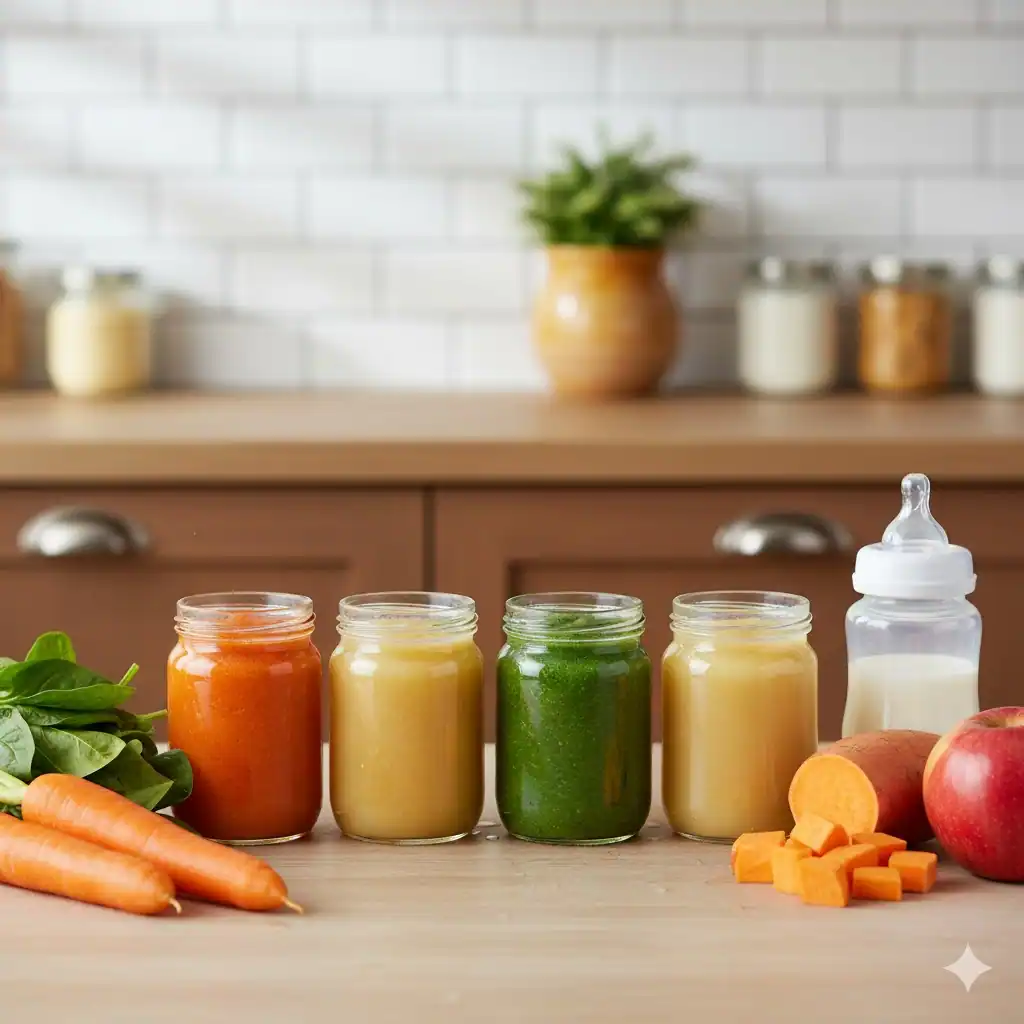
Let’s make your baby’s menu exciting but safe. Here’s a quick go-to list of first foods that babies love:
- Mashed banana 🍌
- Steamed and mashed sweet potato
- Rice or oatmeal cereal
- Pureed apple or pear
- Mashed peas or carrots
- Plain yogurt (unsweetened)
- Soft boiled egg yolk
- Moong dal khichdi
Avoid: honey, nuts, cow’s milk, added salt, and sugar before 1 year.
IMO, babies have the best reactions when they first taste fruits — that adorable “what is this magic?” face is everything. 😍
How Much Should Your Baby Eat? (Don’t Overthink It)
Here’s the golden rule: your baby knows best. Seriously.
Every baby’s appetite is different. Some eat like champs, others treat food like a hobby. That’s okay. As long as your baby’s gaining weight steadily and hitting milestones, you’re good.
Approximate portions:
– 6–8 months: 2–3 tbsp per meal
– 8–10 months: ½ cup per meal
– 10–12 months: ¾ to 1 cup per meal
Just don’t obsess over measurements — babies aren’t calculators. 😉
Introducing Allergens — Handle with Care
This part sounds scary, but it’s manageable with care. Most pediatricians now recommend introducing allergenic foods early (around 6 months) to help build tolerance.
Common allergens include: eggs, peanuts, fish, wheat, and dairy.
How to introduce safely:
- Offer one allergen at a time
- Wait 3–5 days before adding another
- Watch for signs like rash, vomiting, or swelling
If anything seems off, stop and consult your doctor ASAP. Better safe than sorry, mama.
Pro Tips to Make Feeding Easier (and Less Messy)

Let’s be honest — baby feeding can feel like a battlefield. Here are a few life-saving hacks I swear by:
- Use a high chair with easy-clean straps. You’ll thank me later.
- Pre-portion meals in small containers to avoid daily chaos.
- Keep a bib stash everywhere — car, diaper bag, stroller. (Yes, really.)
- Involve your baby — let them touch, squish, and explore food. It’s messy but magical.
- Relax. Babies sense stress. If you’re calm, they’ll eat better.
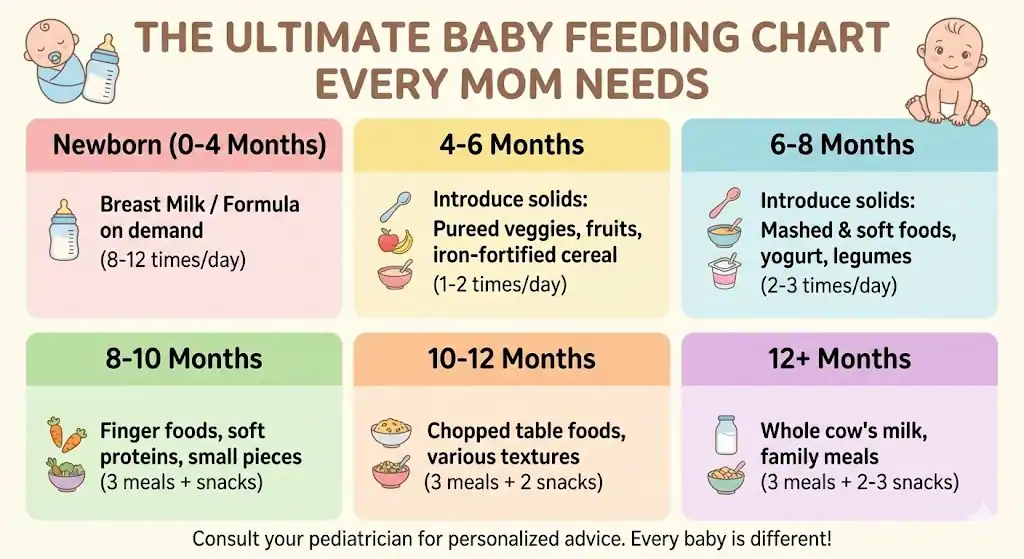
Sample Baby Feeding Chart (6–12 Months)
6–12 Months Summary:
Age | Milk Feeds | Solid Meals | Foods to Include
0–6 Months | 8–12/day | None | Breast milk or formula
6–8 Months | 4–5/day | 2/day | Cereal, fruit & veggie purees
8–10 Months | 3–4/day | 3/day + snacks | Mashed food, soft finger foods
10–12 Months | 3/day | 3/day + 2 snacks | Family food, dairy, lentils, fruits
Final Thoughts — You’ve Got This, Mama ❤️
Here’s the truth: there’s no “perfect” baby feeding chart. Every baby grows differently, eats differently, and develops their own rhythm. The best thing you can do is listen to your baby and stay flexible.
Feeding your baby isn’t about following a rulebook — it’s about creating a bond through nourishment, smiles, and (sometimes) a whole lot of cleanup. 😅
So, trust your instincts, keep this chart handy, and remember — you’re doing amazing. And if anyone tells you otherwise? Hand them a spoon and let them deal with the puree. 😉