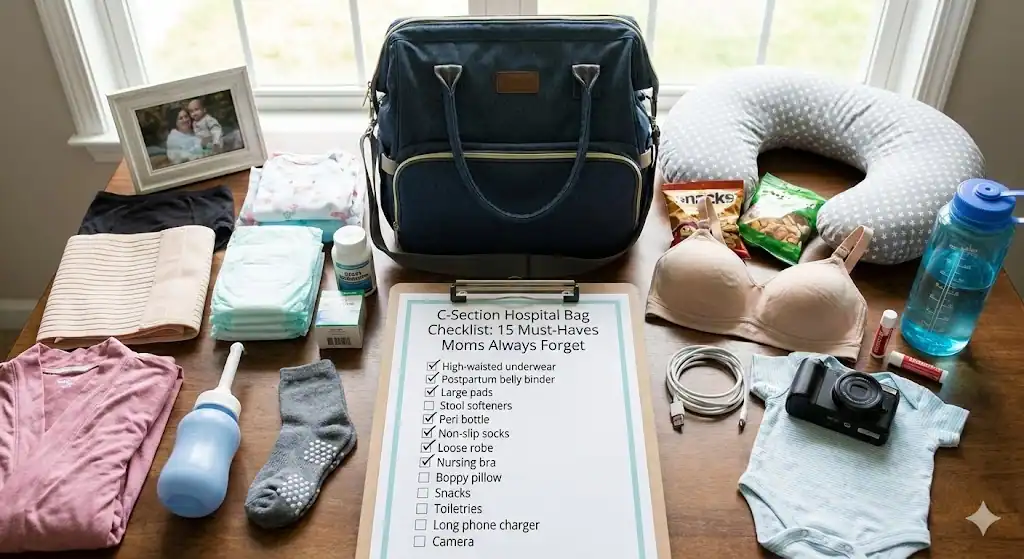

Okay, let’s be real for a second: if you’re reading this, you’re probably tired. Like “I can’t remember what day it is and I reheated my tea three times already” tired. Baby sleep can feel like the world’s worst mystery—one of those puzzles where every piece looks exactly the same and you wonder if sanity left the building.
Everyone around you has opinions, right? Aunties, neighbors, and random strangers in grocery stores suddenly become “baby sleep experts” and offer unsolicited advice. Meanwhile, you just want one predictable nap that doesn’t end with you Googling “is this normal” at 3 a.m.
I’ve been there, and I’ll be blunt: you don’t need a PhD to figure this out, just a sensible routine that matches how babies naturally sleep. In this article I’ll share the **baby sleep schedule that no one tells you about**—a realistic, doable, non-judgy routine that actually helps babies sleep better and gives parents more rest. Read on and let’s get you both sleeping more (yes, really).
Why Baby Sleep Feels So Complicated (When It Actually Isn’t)

Ever notice that some babies nap like they were born with a sleep manual while others act like they’re auditioning for a drama series? Why does that happen? Babies don’t randomly sleep; they sleep according to **biological rhythms** that develop gradually, not overnight. The confusing part is that most people say “follow their cues” without explaining the mechanics of wake windows and how being overtired actually makes sleep worse.
That’s the key: when you align your baby’s schedule with their natural wake windows, naps and bedtime get a lot less dramatic. Think of wake windows like the battery level—keep it within the right range and the device (aka baby) behaves. Push the battery too long and everything glitches: crying, short naps, bedtime battles. So the secret really starts with understanding these wake windows and using them to structure the day.
The Secret Baby Sleep Schedule (Based on Wake Windows)
Here’s the no-nonsense version: tailor the schedule to your baby’s age and aim to keep them within appropriate wake windows. I promise this method works better than random guessing or trying to copy that influencer’s “perfect” routine. Below I list practical windows and realistic nap expectations by age so you can stop winging it and start predicting sleepy cues like a pro. These ranges balance real-life feedings, playtime, and naps—so yes, they work in households that have chores and coffee runs too.
Newborn to 2 Months
Wake Window: 45–60 minutes. Naps: 5–6 per day. Total Sleep: 14–18 hours. Newborns need short wake windows because they tire fast and they require frequent feeds. If your newborn becomes a meltdown machine in the evening, it often means they stayed awake too long earlier in the day. Keep naps frequent and feeds efficient; that will prevent the evening overtired spiral. You don’t need elaborate routines at this stage—comfort, consistent feeding, and gentle soothing will carry you through.
3 to 4 Months
Wake Window: 75–120 minutes. Naps: 4–5 per day. Total Sleep: 14–16 hours. This stage starts to show a pattern, though it still feels a bit unpredictable. Your baby’s sleep cycles begin to mature and they tolerate longer awake periods, but pushing them beyond two hours often backfires. Aim for short play sessions and predictable nap cues. Keep an eye on sleepy signs—don’t wait for full-on meltdown cues because at this age they tend to escalate fast.
5 to 7 Months
Wake Window: 2–3 hours. Naps: 3 per day. Total Sleep: 13–15 hours. This age gives you a lot more scheduling leverage. Babies start to consolidate naps and often take longer daytime sleeps. You can plan short outings around likely nap times and actually enjoy a coffee while it’s warm, imagine that. Stick to the Eat → Play → Sleep flow (I’ll explain that in the next section) to make naps more predictable and reduce overtiredness.
8 to 12 Months
Wake Window: 3–4 hours. Naps: 2 per day. Total Sleep: 13–14 hours. By now your baby has Opinions™ and teeth may pop up as honorary troublemakers. Still, two solid naps and a consistent bedtime make nights much calmer. You’ll notice their daytime structure affects nighttime quality—so keep wake windows sensible and bedtime consistent for the best results.
The Core Routine That Makes This Sleep Schedule Work

Here’s the actual “secret” in plain English: **you don’t need a rigid clock**, you need a predictable flow. I call it the **Eat → Play → Sleep** flow, and it prevents overtiredness while making naps reliable. This approach stops the cycle of feeding-to-sleep, which often creates a dependency that leads to frequent night wakings.
The flow helps your baby learn that sleep follows a pattern and that they can settle without constant feeding or rocking. I recommend using this three-step rhythm for most naps and for bedtime wind-downs. Keep the transitions calm and consistent; routines build sleep expectations and that consistency translates to better naps and easier nights.
Eat
Start with a full feed after your baby wakes. Full feeds during the day help babies get enough calories so they aren’t starving at night. If they take short, snack-like feeds, expect more frequent waking. Make daytime feeds predictable so they learn the difference between day and night nutrition—this helps long-term sleep consolidation.
Play
Play doesn’t mean marathon activity. Keep playtime simple: tummy time, soft talking, sensory play, or a stroller walk. The goal is gentle stimulation that keeps them engaged without overtiring them. Short, varied play sessions also help teach your baby that awake time has purpose, and that sleep is the natural next step. Win-win.
Sleep
Wind down with low stimulation and consistent cues. The sleep environment should be calm, dim, and familiar. Say the same short bedtime phrase or do the same short pre-nap routine to help them associate those cues with sleep. Avoid feeding exactly to sleep every time, because that can lead to dependency and more wake-ups. Teaching gentle self-settling often leads to smoother naps and easier resettling at night.
Signs That Your Baby Is Getting Sleepy (Before the Meltdown)

Wait until full meltdown and you missed the early cues—been there, hated that. You want to spot the early sleepy signs: slower blinking, less interest in toys, turning their head away, and a quieter demeanor. If you catch those cues early you’ll win 90% of nap battles. The “late” cues look dramatic: crying, back arching, and hyperactive behavior. Yes, babies get wired when overtired. So the trick is to act on the early cues and execute the Eat → Play → Sleep flow before the late cues roll in.
Why This Schedule Works (Even When Others Don’t)
This schedule works because it aligns with your baby’s natural readiness rather than trying to enforce a one-size-fits-all clock. It stays flexible enough for real-life demands but structured enough to create predictable patterns. You get the benefits of routine without the stress of rigid timing.
Parents often tell me they finally stop feeling like they’re “reacting” to every meltdown and instead start “predicting” sleepy moments. That shift from reactive to proactive is huge—your days feel calmer, and your baby learns to respect predictable routines. Also, this approach reduces the common mistakes that derail sleep, such as keeping a baby awake too long or using feeding as the only sleep cue.
But Wait… What About the Night Wake-Ups?

Night wake-ups are normal. Babies wake for calories, to resettle, or because they cycle between sleep stages just like adults. The aim here isn’t to get to zero night wakings overnight, because that expectation is unrealistic and stressful. Instead, aim to make night wakings shorter and easier to manage so you can both return to sleep faster.
Keep night feeds low-key and avoid bright lights or long interactions; this helps your baby understand that night is for sleep. If your baby needs lots of help to resettle, work on gentle self-settling strategies during the day so that those skills transfer to the night.
The Bedtime Routine That Doesn’t Take Two Hours
No one has time for a two-hour bedtime routine—seriously. Keep it short and consistent: dim lights, a calming phrase, a brief cuddle, a feed if needed, and a quiet song or white noise if that helps. Ten to fifteen minutes is enough to set the tone if you do it consistently every night. The trick isn’t complexity, it’s consistency. When you repeat the same short routine your baby learns the bedtime cues and begins to anticipate sleep, which reduces resistance and fussing.
Common Mistakes Parents Make (No Shame, We’ve All Done These)
Let’s call out the big mistakes so you can skip the suffering: (1) keeping a baby awake too long because “they’ll sleep better later” (this backfires every time), (2) feeding to sleep for every nap and bedtime—this creates dependency,
(3) skipping naps to force better night sleep—this usually ruins both day and night sleep, and (4) ignoring sleepy cues until meltdown. Avoid these traps and your sleep will improve faster than you expect. I say this from experience and from watching dozens of families turn things around by making small changes.
What If Your Baby Just Won’t Follow the Schedule?
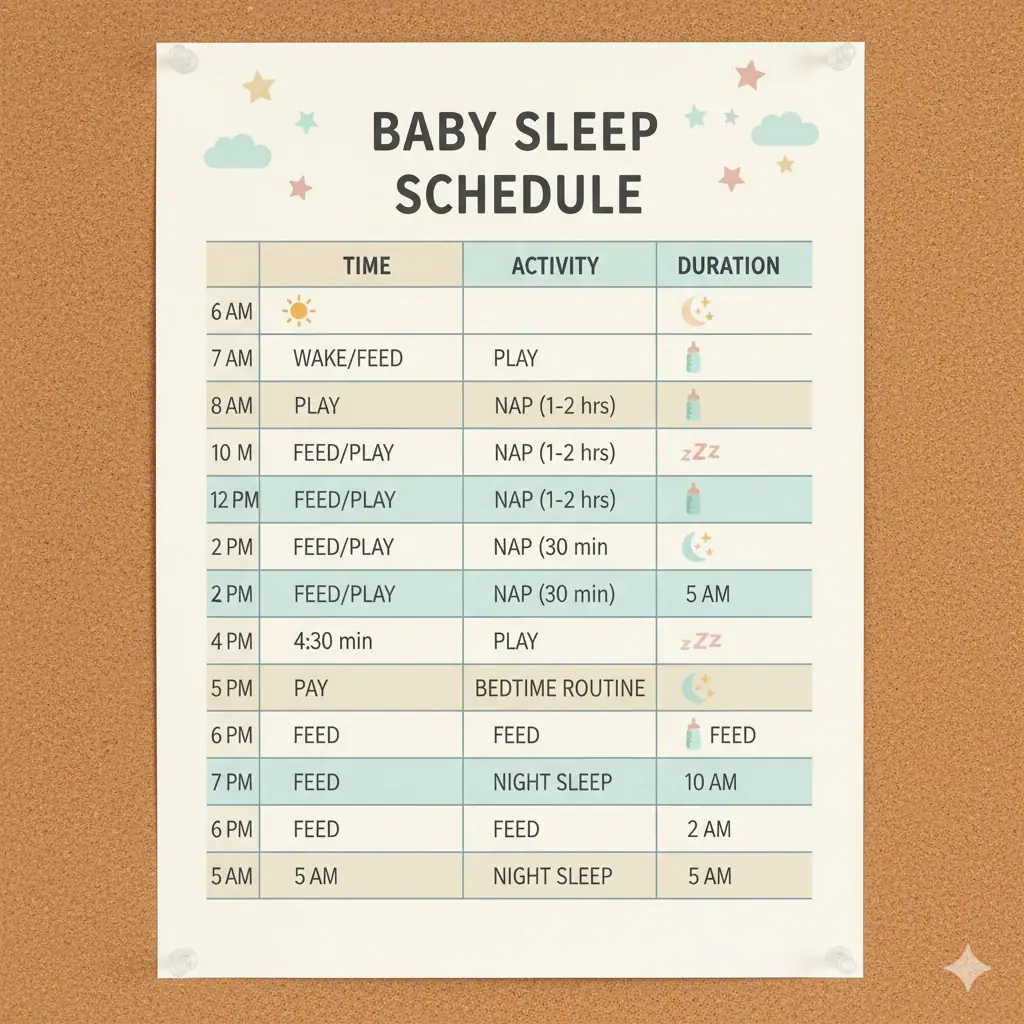
Not all babies are robots and not all parents have identical days, and that’s okay. If your baby resists, tweak the windows slightly, reassess feeding patterns, and double-down on consistent cues. Illness, teething, travel, and developmental leaps all disrupt sleep temporarily—expect bumps and adapt.
Also, ignore unrealistic claims on social media about perfect 12-hour sleepers at two weeks old; those are outliers or creative storytelling. Most babies improve steadily when parents follow the wake window approach and the Eat → Play → Sleep flow with patience and persistence.
Quick Practical Checklist (Use This Today)
- Track wake windows based on your baby’s age—use a simple note app or paper log.
- Follow Eat → Play → Sleep for naps and bedtime to avoid feeding dependency.
- Spot early sleepy cues—move quickly to the nap routine before meltdown.
- Keep bedtime short and consistent—10–15 minutes is plenty.
- Dark, calm environment for naps and night: blackout where possible.
- Adjust during growth spurts or illness—expect temporary regressions and adapt gently.
Small Changes That Make a Big Difference
Try these small but powerful tweaks: move bedtime earlier by 15 minutes for a few days if night wakings increase, drop one night feed gradually if your pediatrician agrees, and aim to put baby down drowsy but awake so they learn to self-settle. These tiny shifts compound over days and weeks and often yield better sleep without dramatic interventions. FYI, consistency beats intensity: a modest routine done daily outperforms a drastic overhaul that never sticks.
Final Thoughts: You Actually Can Do This
You don’t need a degree in neuroscience or a strict clock schedule to get better sleep. You just need awareness of **wake windows**, the reliable **Eat → Play → Sleep** flow, and a simple, repeatable bedtime routine. Keep it flexible enough to work with your life and consistent enough to form real habits.
Remember: a rested baby equals a happier baby, and a rested parent equals a functioning human—both of which you absolutely deserve. If you want, I can create an age-by-age printable sleep schedule or a bedtime checklist for your specific baby’s age. Want that? Tell me your baby’s age and I’ll make something you can print and pin. 🙂
Want More Help?
If you liked this, I can make a printable chart tailored to your baby’s exact age or a Pinterest-ready infographic to save for reference. I can also give sample daily schedules for specific ages (newborn, 3–4 months, 6 months, 9 months) so you can copy-paste and start using them right away.
Want me to make one now? Just say the age and I’ll draft it—no fluff, just practical steps you can use tonight. IMO, that’s the most useful thing I can give you after this guide. Good luck—seriously, you’ve got this. And if you need a cheerleader, I’m right here.