
Let’s be real for a second—newborn sleep schedules can feel like an unsolvable puzzle. One day, your baby sleeps like an angel, and the next… it’s like they’re auditioning for a 24/7 horror movie. Trust me, I’ve been there, bleary-eyed, surviving on coffee and sheer willpower. 😅
If you’re desperate for a few hours of uninterrupted sleep (or even a decent nap), you’ve come to the right place. I’m going to share 15 proven tips for a newborn sleep schedule that actually works, based on real experience, not just some random internet forum posts.
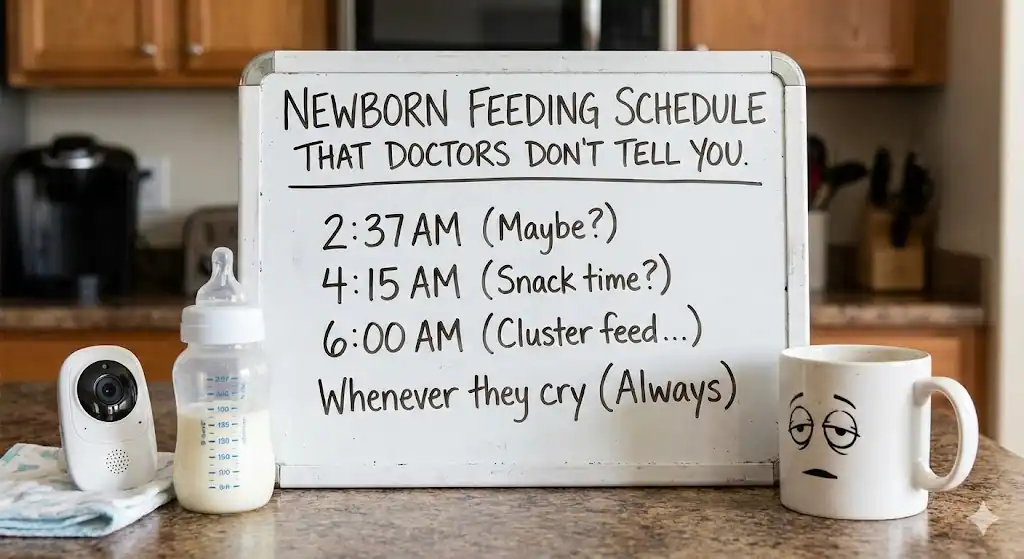
So grab your coffee, baby monitor, or whatever keeps you sane these days, and let’s tackle this sleep thing together.
1. Understand Your Baby’s Natural Sleep Rhythm

Before we start plotting schedules and routines, let’s get one thing straight: your newborn doesn’t know it’s night or day yet.
- Babies have tiny stomachs and need to eat every 2–3 hours, which is why those “8-hour sleep stretches” seem like mythical unicorns early on.
- Observing sleep cues—like rubbing eyes, yawning, or fussiness—helps you catch them before they overtire, which ironically makes it harder for them to sleep.
- Tip: Keep a little notebook or use an app to track sleep times. It’s amazing how patterns emerge once you start paying attention.
Ever notice that your baby is a mini night owl? That’s normal. Respect their rhythm—it’ll make life a lot less frustrating.
2. Create a Calm Bedtime Routine
Babies thrive on consistency. And by bedtime routine, I don’t mean a spa experience. Just a few predictable steps can work wonders:
- Dim the lights 30 minutes before sleep.
- Soft lullaby or white noise to signal sleep time.
- Gentle rocking or cuddle time—nothing too stimulating.
Think of it like Pavlov’s dog experiment, but with cuteness and drool instead of salivation. After a few nights, your baby will start associating these cues with sleep.
3. Set a Consistent Nap Schedule
Naps are tricky. Skip one and suddenly your newborn is like a caffeinated toddler on sugar. 😬
- Aim for short, regular naps—3-4 times a day for newborns.
- Try not to let awake periods exceed 90 minutes; overtired babies are cranky babies.
- Keep naps in a quiet, dim environment to reinforce sleep cues.
Pro tip: Nap schedules often seem impossible at first, but consistency is magic. Stick with it, and you’ll see improvement in just a few days.
4. Keep Night and Day Distinct

Your newborn doesn’t get that night is for sleeping and day is for… well, being awake. Time to give them a little lesson:
- Daytime: Keep lights bright, talk to them, play a little.
- Nighttime: Dim lights, speak softly, avoid playtime.
This simple distinction helps them slowly understand the concept of night versus day. FYI, patience is key here.
5. Feed Strategically
Hunger = wakefulness. Shocking, I know.
- Make sure your baby is well-fed before bedtime.
- Cluster feeds during the day to avoid frequent night wakings.
- Consider “dream feeds”—feeding your baby while they’re semi-asleep to extend night sleep.
Trust me, it’s not cheating; it’s survival. 😏
6. Swaddle Smartly
Swaddling is like giving your baby a cozy burrito hug. Babies love the snug security, and it helps prevent startle reflex wake-ups.
- Use breathable fabrics.
- Stop swaddling once your baby shows signs of rolling over.
- Make sure it’s snug, not suffocating—safety first!
Honestly, a well-swaddled baby can make you feel like you’ve unlocked some secret parental power.
7. Invest in White Noise

Newborns were used to the loud, constant noise of the womb, so silence can be weird and unsettling. White noise helps:
- Mask household noises that might wake your baby.
- Create a familiar, soothing environment.
- Examples: white noise machines, apps, or even a fan (just not too close!).
It’s like giving your baby a cozy auditory blanket.
8. Watch Temperature and Comfort
Nothing ruins sleep faster than a baby who’s too hot or too cold.
- Ideal room temp: 68–72°F (20–22°C).
- Use breathable clothing and sleep sacks instead of heavy blankets.
- Check for any discomfort—diaper rash, hair wrapped around a finger, etc.
A comfy baby is a sleepy baby. Simple math.
9. Use a Predictable Wake-Up Routine
Sounds counterintuitive, right? But morning consistency matters:
- Same wake-up time every day—even on weekends.
- Morning light exposure helps regulate their circadian rhythm.
- Gentle interaction in the morning sets a predictable tone for naps and nighttime sleep.
Consistency is the name of the newborn sleep game.
10. Avoid Overstimulation Before Bed

Babies are little sponges… and hyper-sensitive ones at that.
- Skip rough play, loud toys, or screen time close to bedtime.
- Stick to calming activities: soft singing, rocking, or gentle massages.
- Save excitement for daytime when sleep isn’t on the agenda.
Remember: overstimulated babies = overtired babies = parents questioning life choices.
11. Track and Adjust
Babies aren’t robots. What works one week may flop the next.
- Keep a sleep log.
- Adjust nap times, feeding schedules, or bedtime routines as needed.
- Look for patterns, not perfection.
Think of it as experimenting—but with caffeine as your sidekick. ☕
12. Encourage Self-Soothing
Yes, I know, this one makes parents squirm a bit. But self-soothing is a critical skill:
- Give your baby a chance to fall asleep on their own.
- Use gentle techniques: patting, shushing, or a hand on their chest.
- Avoid picking them up at the first whimper—sometimes they just need a minute.
It’s a fine line between tough love and neglect, but trust me, it pays off.
13. Be Mindful of Sleep Associations

Babies can get dependent on certain cues:
- Rocking to sleep every time? They’ll want that every night.
- Feeding to sleep? Same problem.
Try to balance comfort with independence—so your baby can sleep even if you’re not a human pacifier 24/7.
14. Recognize Growth Spurts and Regressions
Just when you think you’ve got it all figured out… surprise!
- Growth spurts or sleep regressions are normal and temporary.
- Your “perfect schedule” might get thrown off for a few days.
- Stay flexible, patient, and remember that tomorrow is a new sleep adventure.
Yes, sometimes babies are little sleep trolls, but it’s part of the journey.
15. Take Care of Yourself Too
Let’s not forget the obvious: sleep-deprived parents aren’t helpful to anyone.
- Nap when your baby naps if possible.
- Share nighttime duties with a partner or helper.
- Keep caffeine and sanity on standby.
You can’t pour from an empty cup. The better rested you are, the better you can help your baby.
Final Thoughts
And there you have it—15 proven tips for a newborn sleep schedule that actually works. Some are practical, some are sneaky little hacks, and some are just good old patience with a dash of humor. Remember, your baby isn’t a robot (though some nights make it feel that way), and flexibility is key. Keep observing, adjusting, and celebrating the small wins—like a 3-hour sleep stretch that doesn’t feel like a miracle.
At the end of the day, you’ve got this. One sleepy night at a time. And if all else fails… coffee is your friend. 😉