Hey there, fellow parent, teacher, or just someone trying to survive the chaos of toddlerhood! 😅 If you’re reading this, I’m guessing you’re on the hunt for lesson plans for toddlers that actually work—without turning your living room into a war zone of toys, crayons, and tiny tantrums.
Trust me, I’ve been there. There’s nothing worse than spending hours planning activities only to have your toddler give you the world’s most judgmental stare and wander off to chew on a block. Fun times, right?
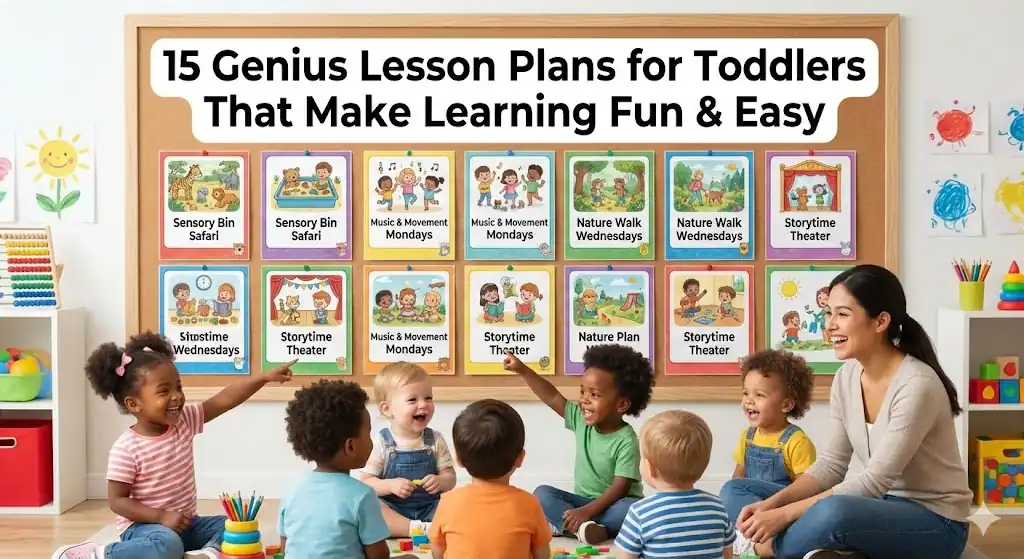
Well, today I’m spilling the beans on 15 genius lesson plans for toddlers that are easy, engaging, and, most importantly, FUN. Whether you’re a newbie parent, a homeschool warrior, or a preschool teacher looking for fresh ideas, these plans will have your little one learning without even realizing it.
And hey, they might even leave you a little sanity intact by the end of the day. 😉 So buckle up—this isn’t your typical boring lesson list. Let’s make toddler learning exciting!
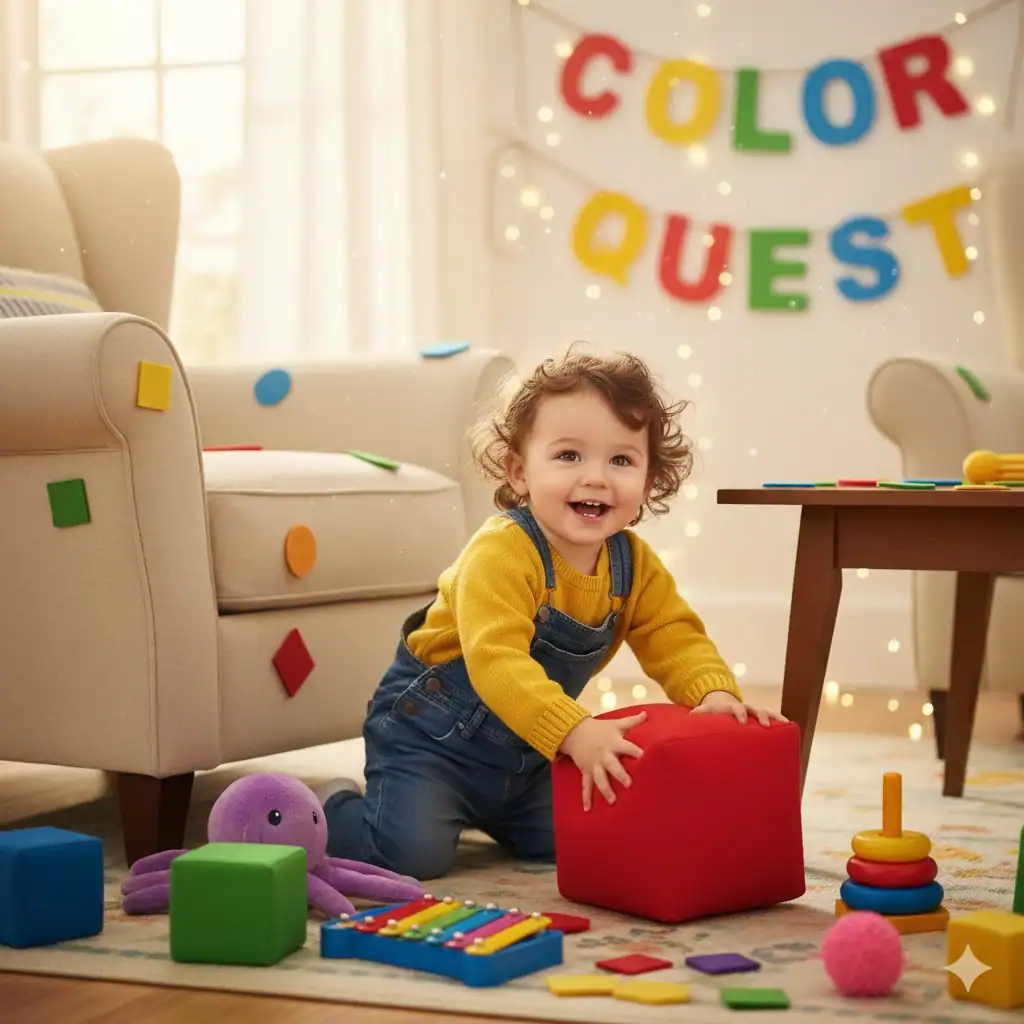
1. Color Hunt Adventure
Why It Works
Toddlers are naturally curious little color magnets. Color recognition is a fundamental skill, and what better way to teach it than turning your house (or yard) into a mini treasure hunt?
How to Do It
- Pick a color of the day (let’s say red).
- Ask your toddler to find all the red objects around the room.
- Celebrate each discovery with high-fives and “woo-hoos!”
- Optional: Take pictures of their finds and create a mini color scrapbook.
Pro Tip: Add a twist by mixing similar shades. My niece once thought pink was red, and honestly, who am I to argue?
Learning Goals: Color recognition, attention to detail, vocabulary building.
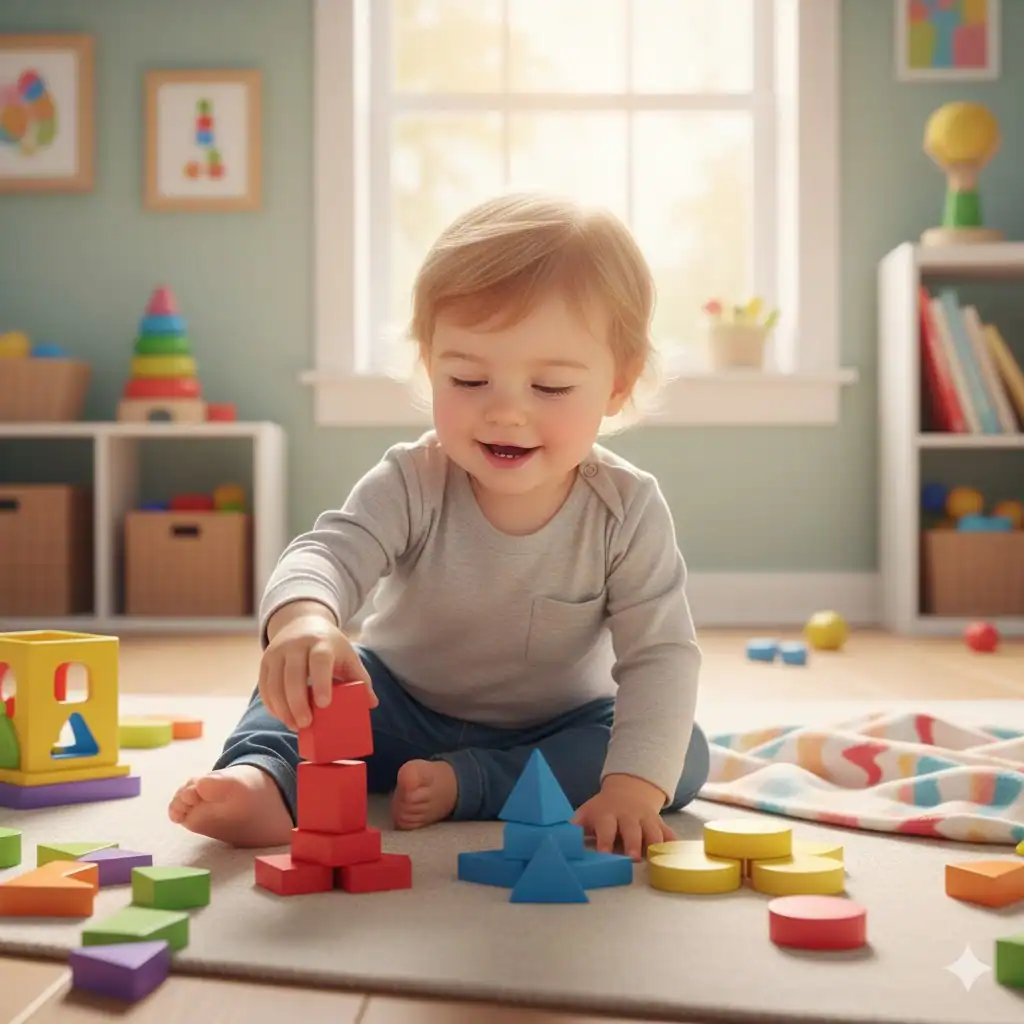
2. Shape Sorting Extravaganza
Why It Works
Toddlers love sorting things—and honestly, it’s a lifesaver if you’ve got a mountain of random toys lying around. Shape recognition is crucial for later math skills, and sorting is basically free therapy for their tiny, organized brains.
How to Do It
- Grab some blocks, lids, or cutouts of different shapes.
- Create simple categories: circle, square, triangle.
- Ask your toddler to sort the shapes into the right piles.
- Cheer wildly for every correct match. (They secretly love it.)
Optional: Time them for fun—just don’t make it competitive. Toddlers are adorable, not Olympic athletes.
Learning Goals: Shape recognition, motor skills, problem-solving.
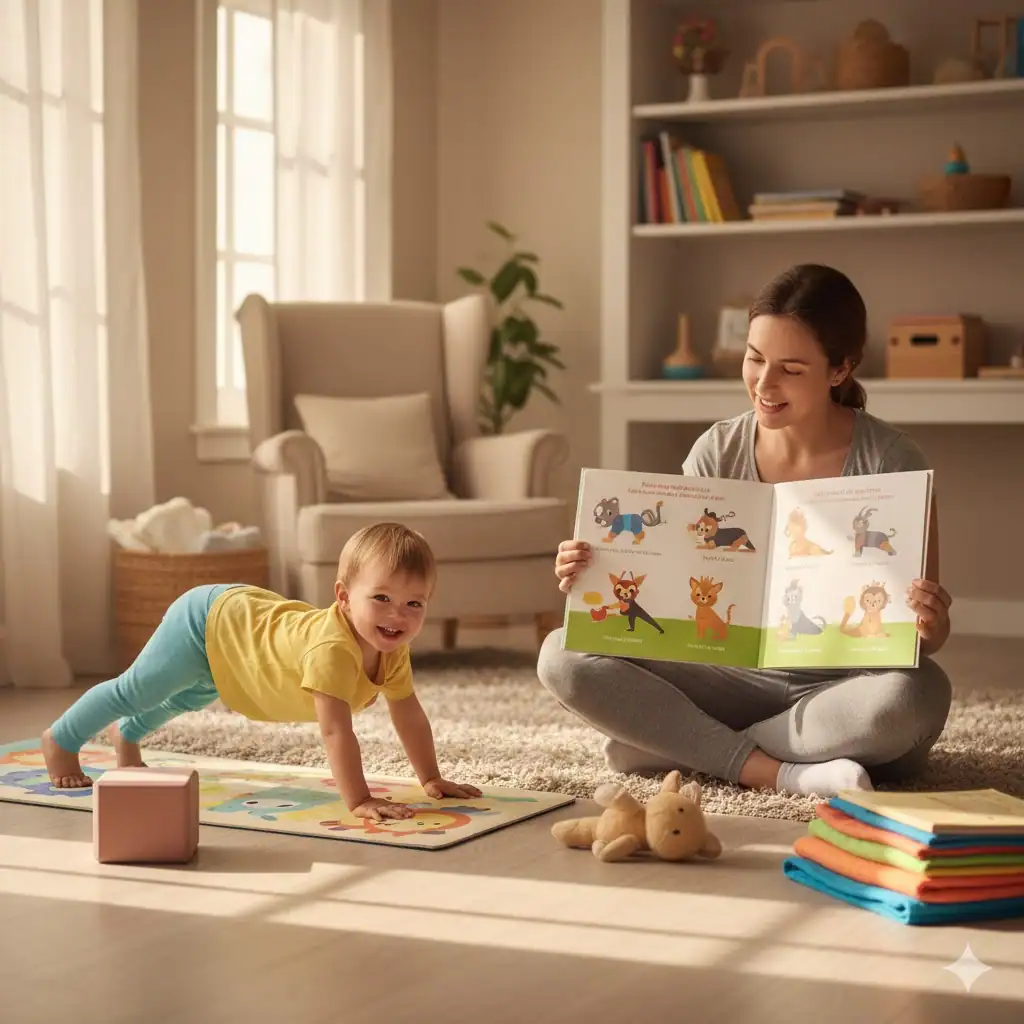
3. Storytime Yoga
Why It Works
Ever tried reading a book while your toddler bounces on you like a human trampoline? Storytime yoga is my sanity saver. It combines physical activity with early literacy.
How to Do It
- Pick a short, engaging picture book.
- Assign simple yoga poses to key parts of the story (e.g., “Reach for the stars” when the character jumps).
- Demonstrate the poses and encourage your toddler to follow.
- End with deep breaths and a cozy snuggle.
Learning Goals: Gross motor skills, reading comprehension, mindfulness.
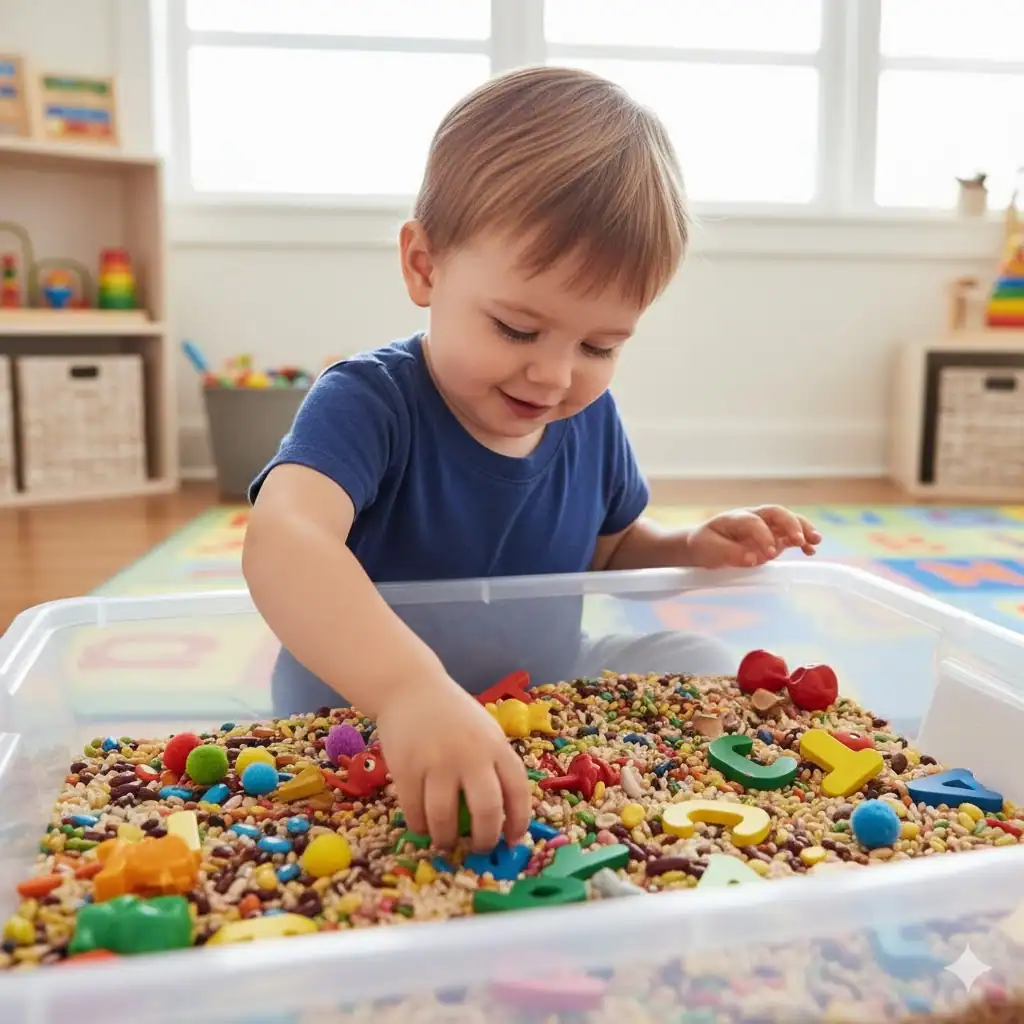
4. DIY Sensory Bins
Why It Works
Toddlers are basically tiny scientists—they touch, squish, pour, and explore everything. Sensory bins let them play while sneaking in learning.
How to Do It
- Fill a bin with rice, beans, or sand.
- Add small toys, letters, or numbers.
- Encourage your toddler to dig, find, and explore.
- Bonus: Talk about what they’re touching—texture words are gold here.
Learning Goals: Fine motor skills, tactile learning, vocabulary expansion.
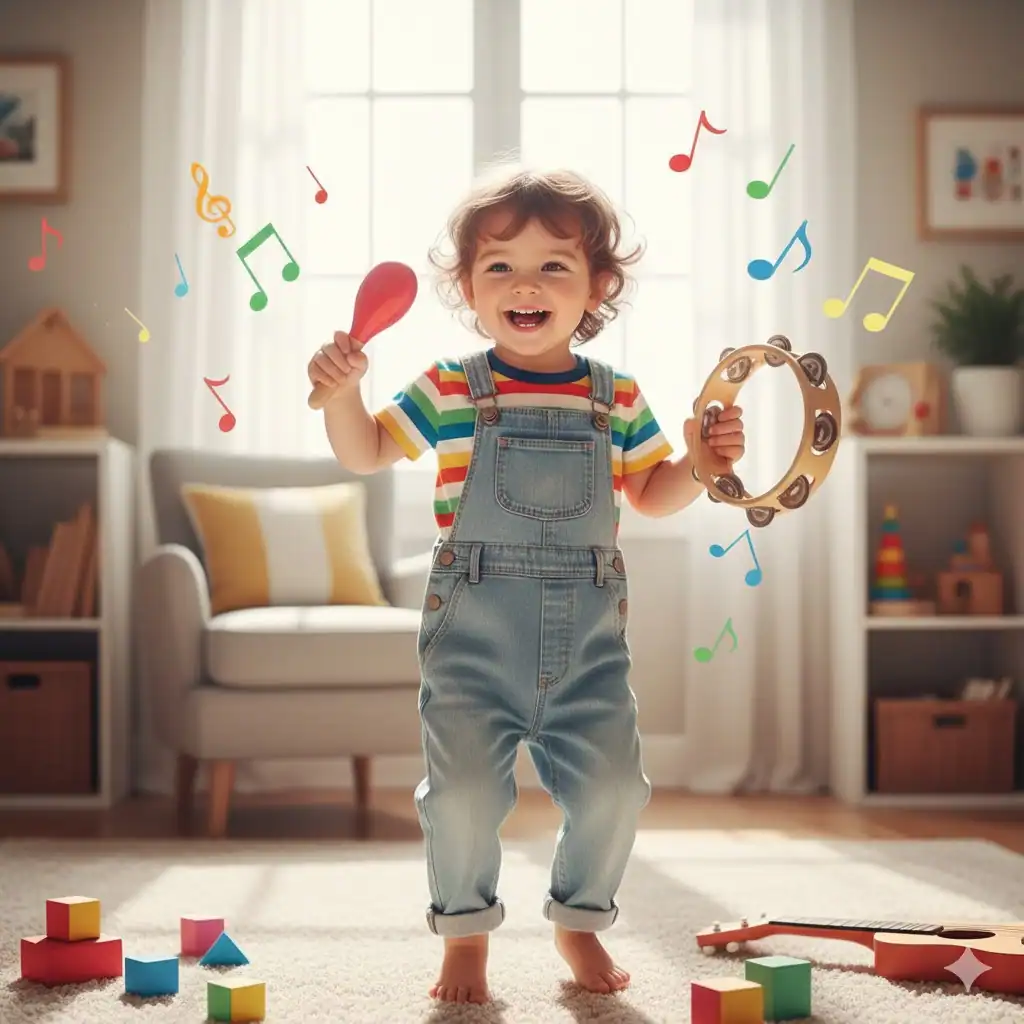
5. Music & Movement Party
Why It Works
Toddlers cannot sit still, so why fight it? Music naturally engages them and helps with rhythm, coordination, and memory.
How to Do It
- Play simple, upbeat songs.
- Add instruments like shakers, drums, or pots and pans (yes, your neighbors might judge, ignore them).
- Make up easy dance moves that correspond with the lyrics.
Learning Goals: Listening skills, motor coordination, emotional expression.
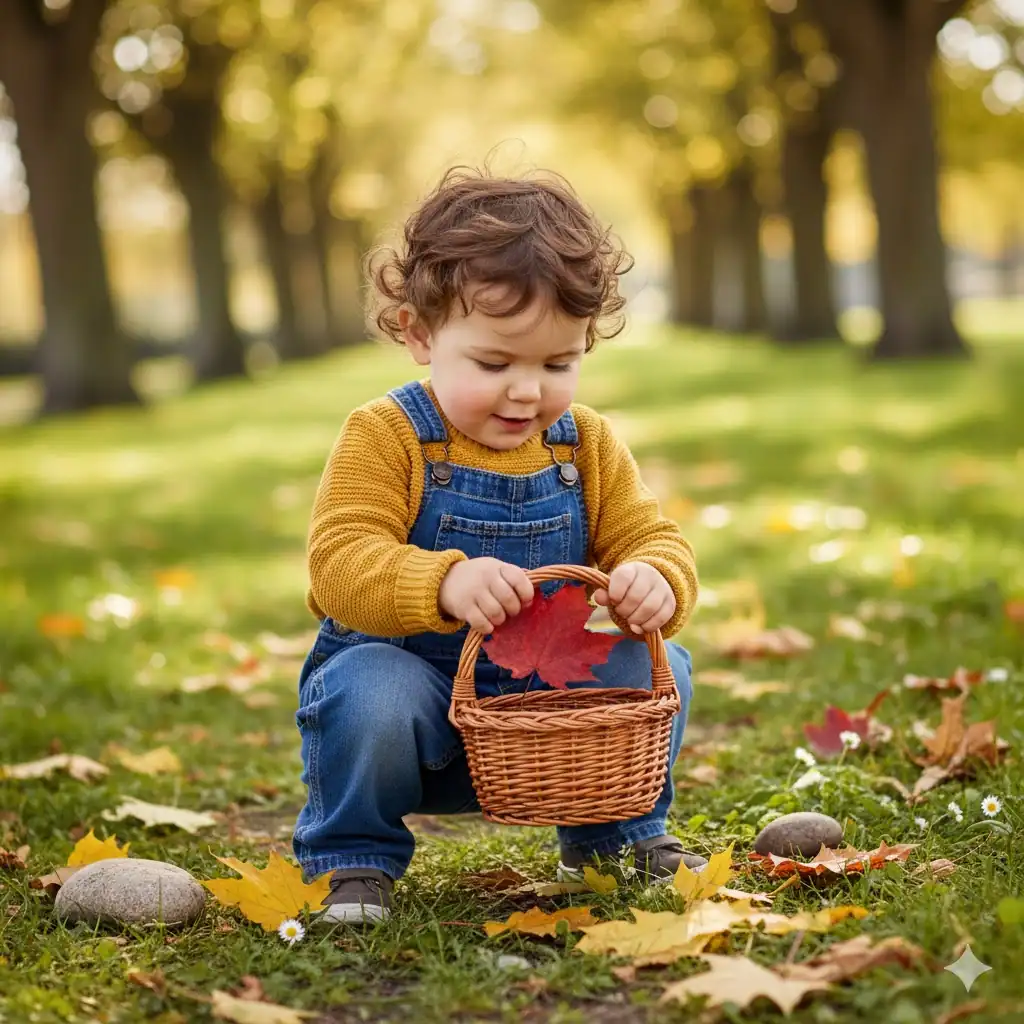
6. Nature Explorer Walks
Why It Works
Toddlers are little detectives when outside. Nature walks teach observation, categorization, and curiosity. Plus, fresh air is free therapy.
How to Do It
- Pick a short, safe route.
- Give your toddler a small basket to collect leaves, rocks, or flowers.
- Talk about colors, shapes, and textures.
- Optional: Create a nature collage at home afterward.
Learning Goals: Observation, science basics, environmental awareness.
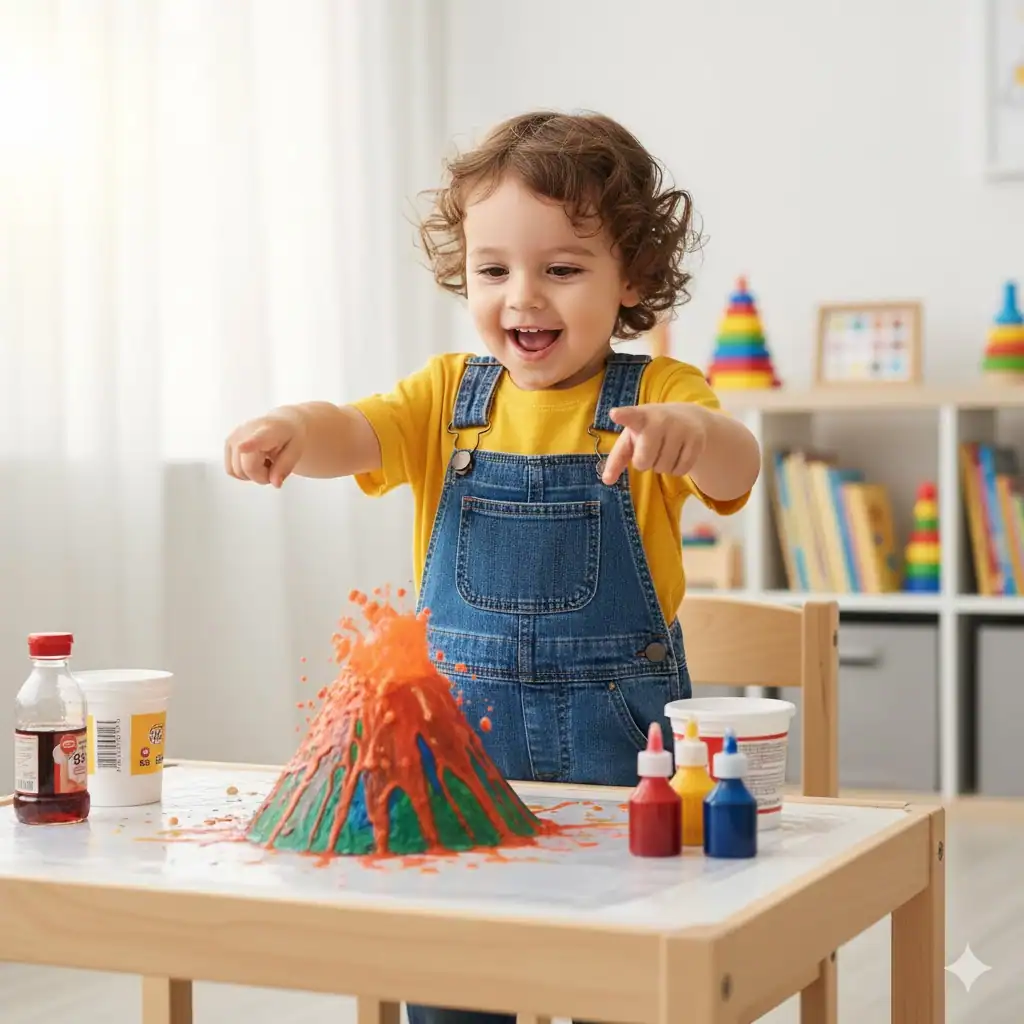
7. Mini Science Experiments
Why It Works
Toddlers love messy, magical experiments. It’s hands-on learning at its finest.
How to Do It
- Try simple experiments like baking soda + vinegar volcanoes or floating vs. sinking objects.
- Ask your toddler what they think will happen.
- Celebrate the result, whether it goes as planned or explodes all over the kitchen.
Learning Goals: Cause and effect, observation, scientific thinking.
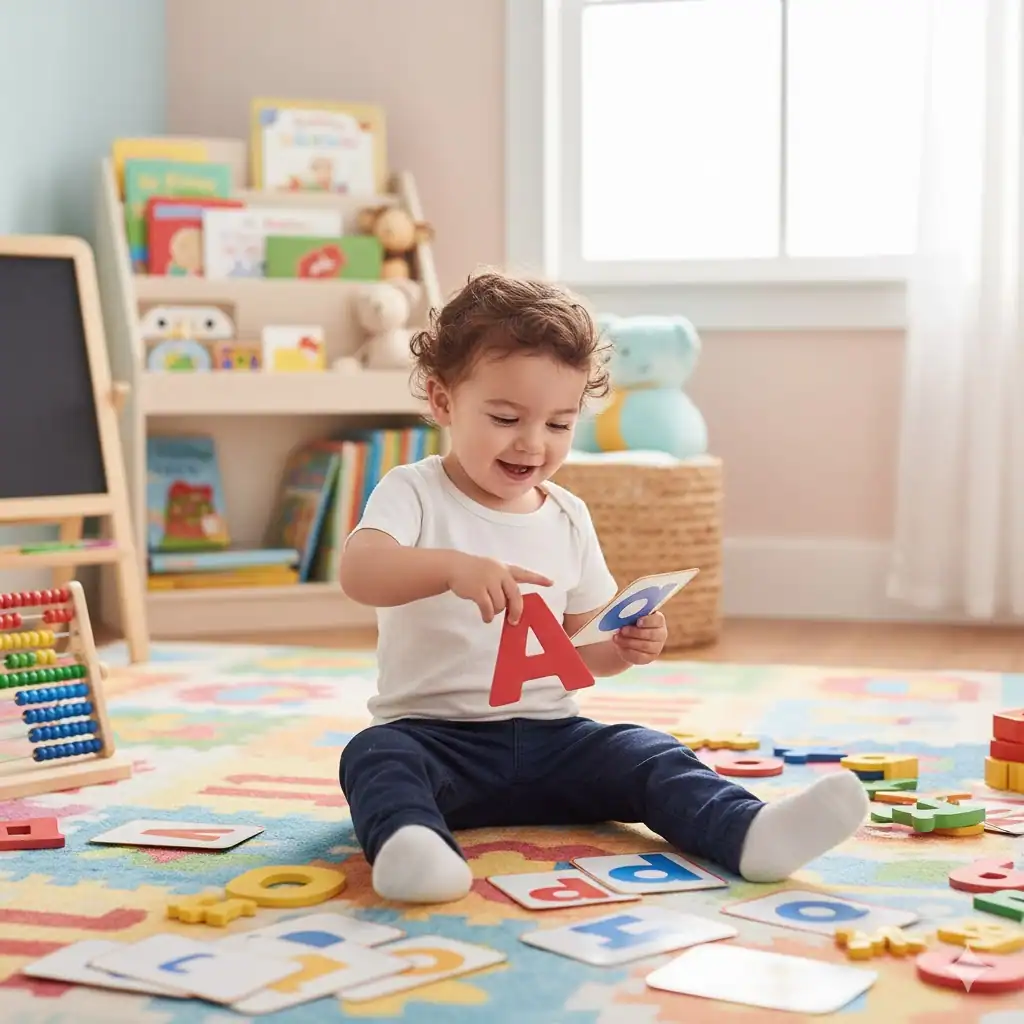
8. Alphabet Adventure
Why It Works
Letter recognition is key for early reading. Toddlers love repetition, so why not make it playful?
How to Do It
- Use flashcards, magnets, or foam letters.
- Focus on one letter per day.
- Incorporate the letter into a small activity (“A is for apple—let’s pretend to eat an apple!”).
Learning Goals: Letter recognition, early literacy, memory.
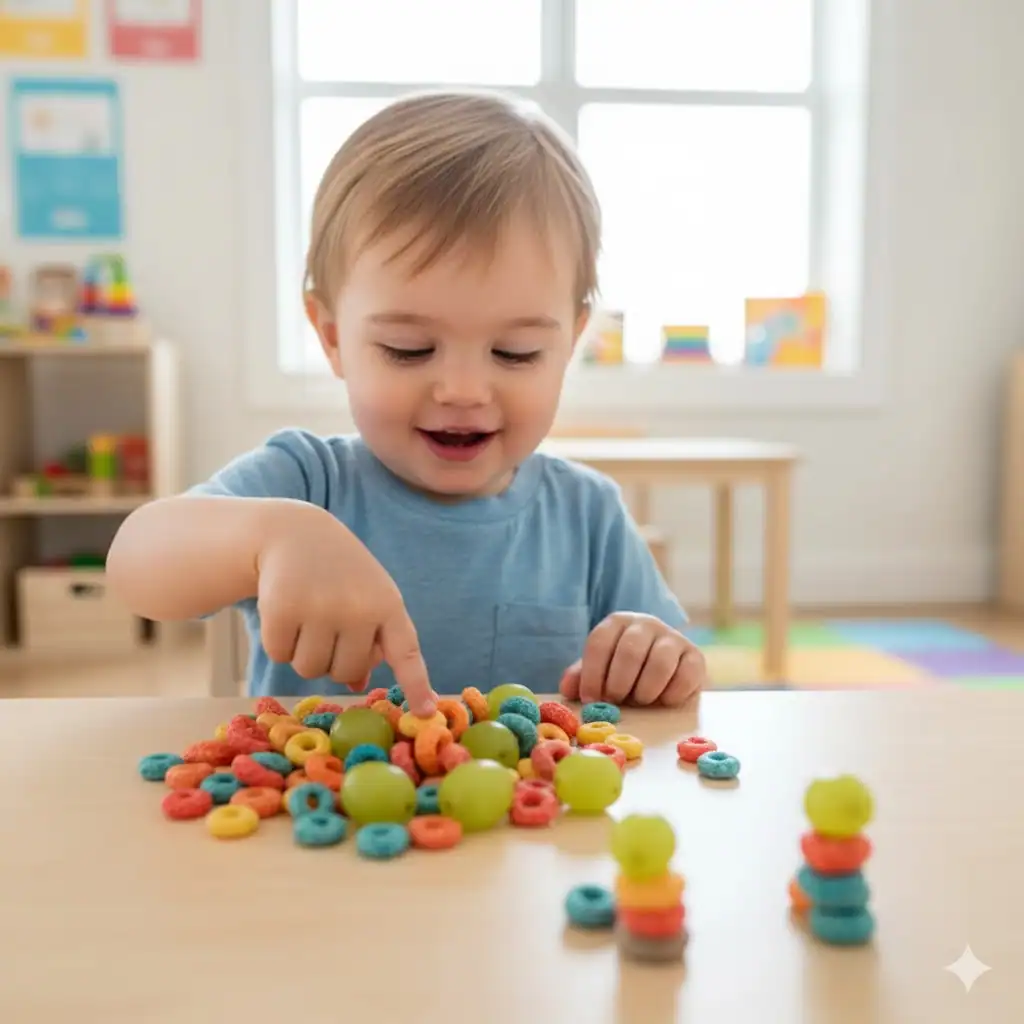
9. Counting Fun With Snacks
Why It Works
Toddlers can be bribed—I mean, motivated—with snacks. Counting snacks is a win-win for math skills + happy tummies.
How to Do It
- Use grapes, crackers, or cereal pieces.
- Count them together before eating.
- Challenge your toddler: “Can you give me three grapes?”
Learning Goals: Number recognition, counting, one-to-one correspondence.
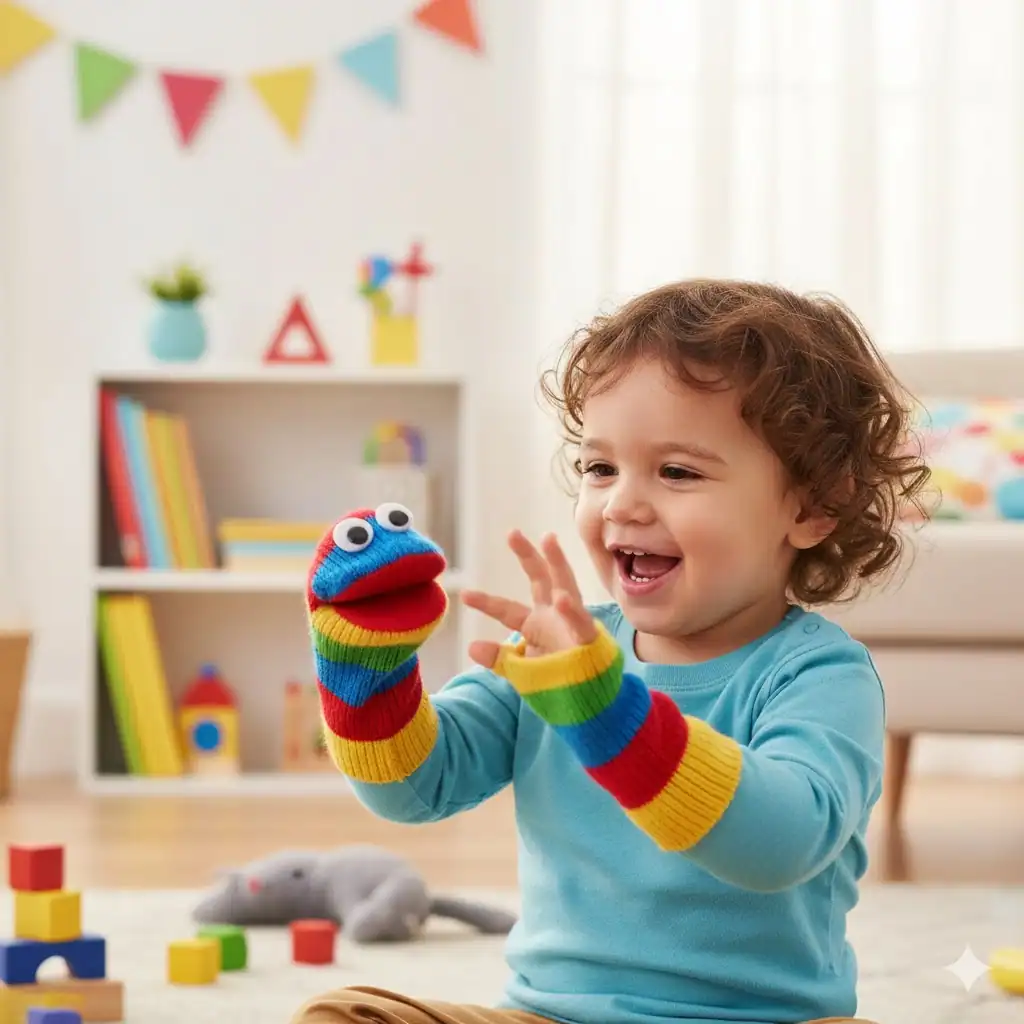
10. Puppet Play
Why It Works
Toddlers are natural storytellers when given the chance. Puppets boost imagination, language skills, and social development.
How to Do It
- Grab some simple puppets (or socks, FYI).
- Act out short stories or make up silly ones.
- Encourage your toddler to talk through the puppet.
Learning Goals: Imagination, language, emotional expression.
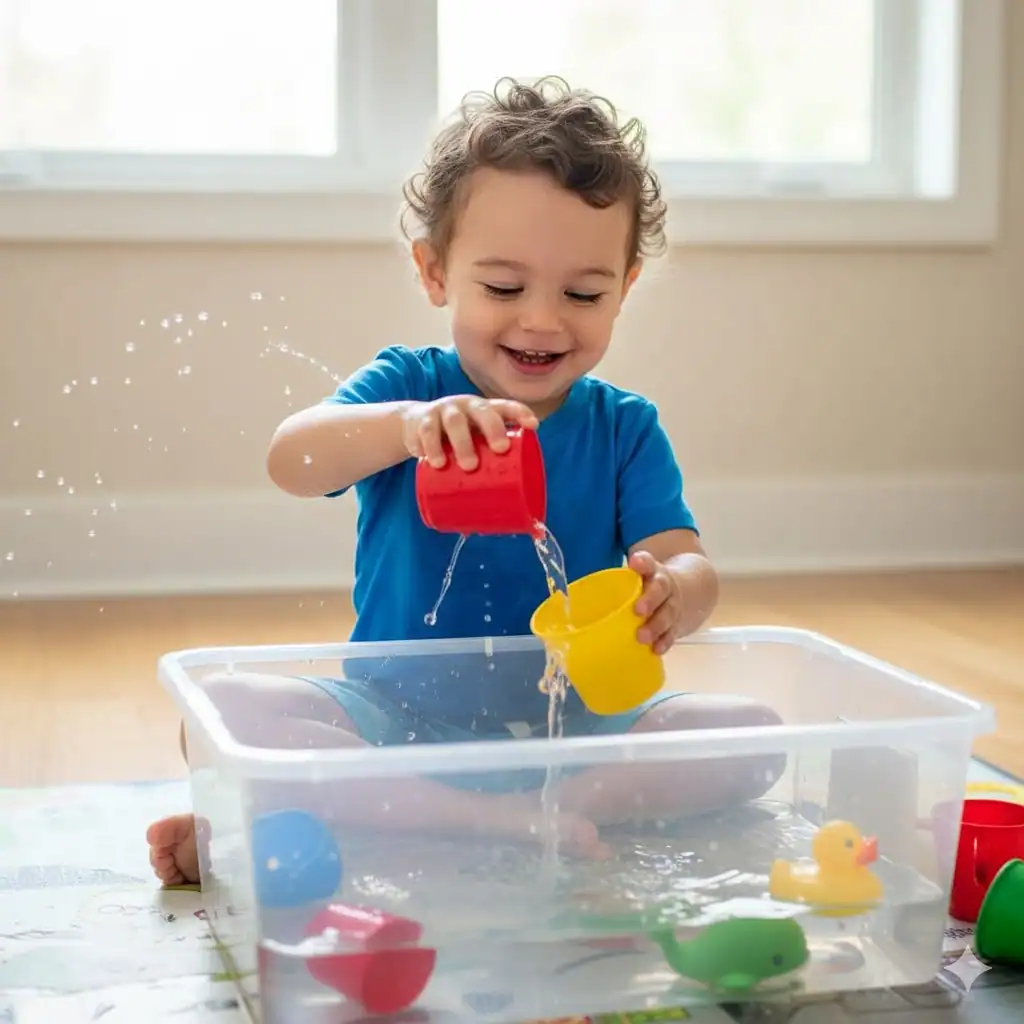
11. Water Play Wonders
Why It Works
Messy? Yes. Worth it? Absolutely. Water play is perfect for fine motor skills, cause-and-effect learning, and sensory exploration.
How to Do It
- Fill a shallow container with water.
- Add cups, spoons, and small toys.
- Let your toddler pour, scoop, and splash (bonus if you don’t mind a minor flood).
Learning Goals: Hand-eye coordination, measurement basics, sensory development.
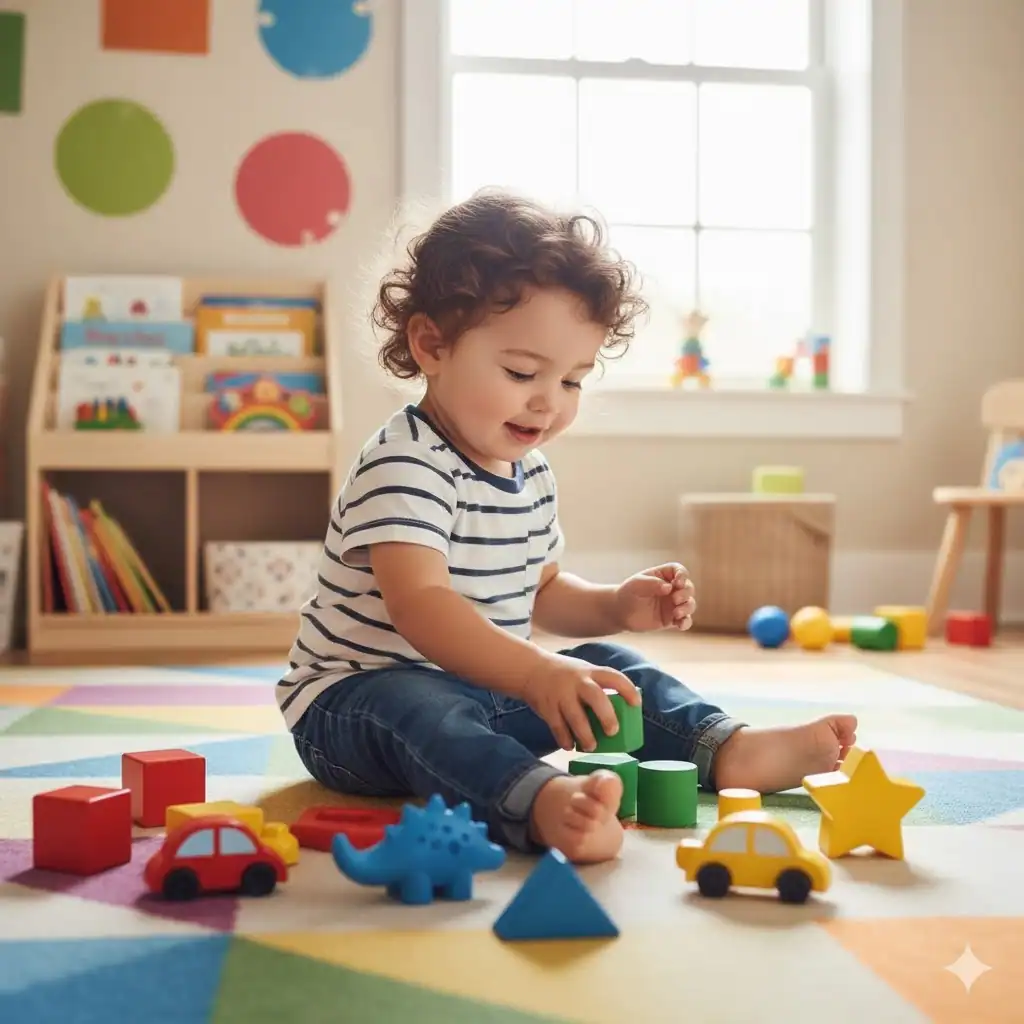
12. Sorting & Matching Games
Why It Works
Toddlers love patterns and order. Sorting games help with cognitive skills and focus.
How to Do It
- Gather items that match in color, shape, or size.
- Encourage your toddler to group them correctly.
- Make it fun with a little race or story.
Learning Goals: Categorization, problem-solving, visual discrimination.
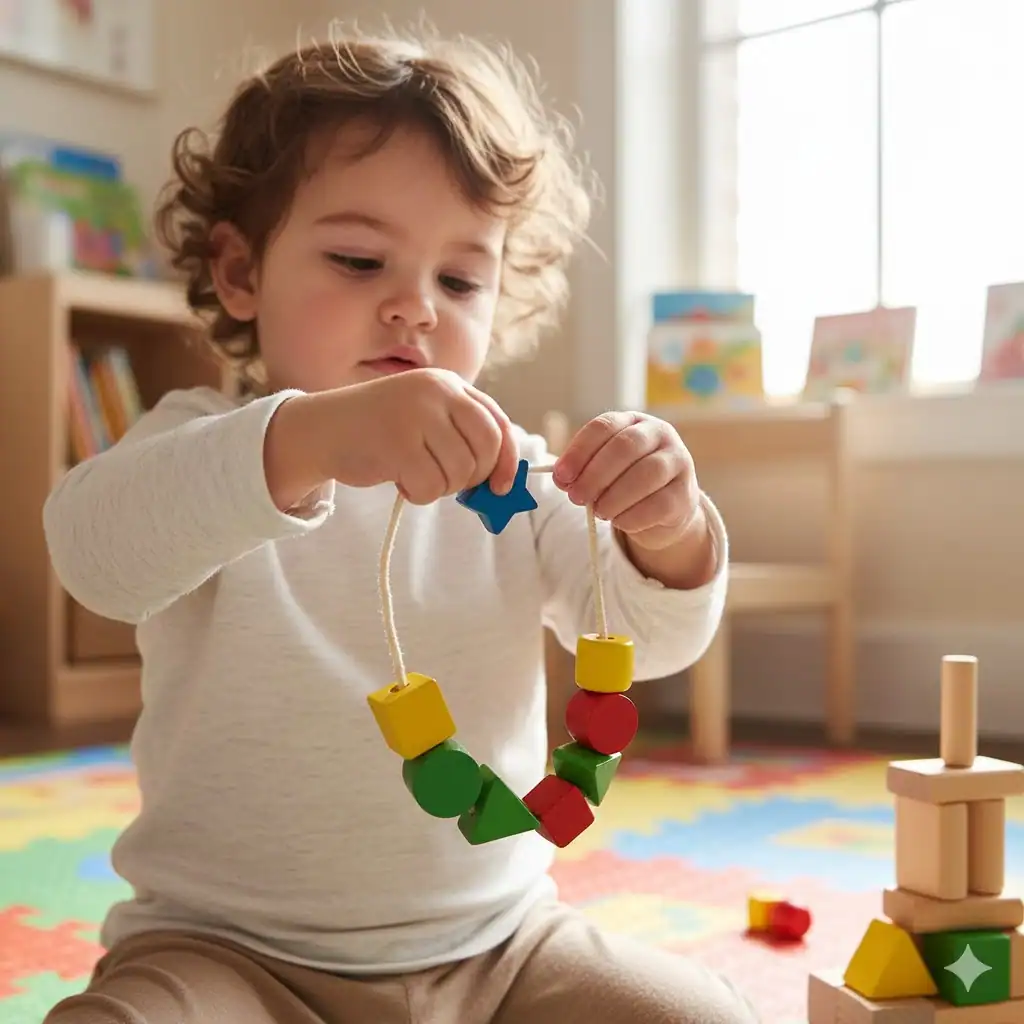
13. Fine Motor Skill Fun
Why It Works
Tiny hands need training. Fine motor activities prepare toddlers for writing, self-care, and coordination.
How to Do It
- String beads, stack blocks, or use tongs to move objects.
- Let your toddler practice slowly at first, then cheer when they succeed.
- Keep sessions short to avoid meltdown city.
Learning Goals: Hand strength, dexterity, patience.
14. Creative Art Time
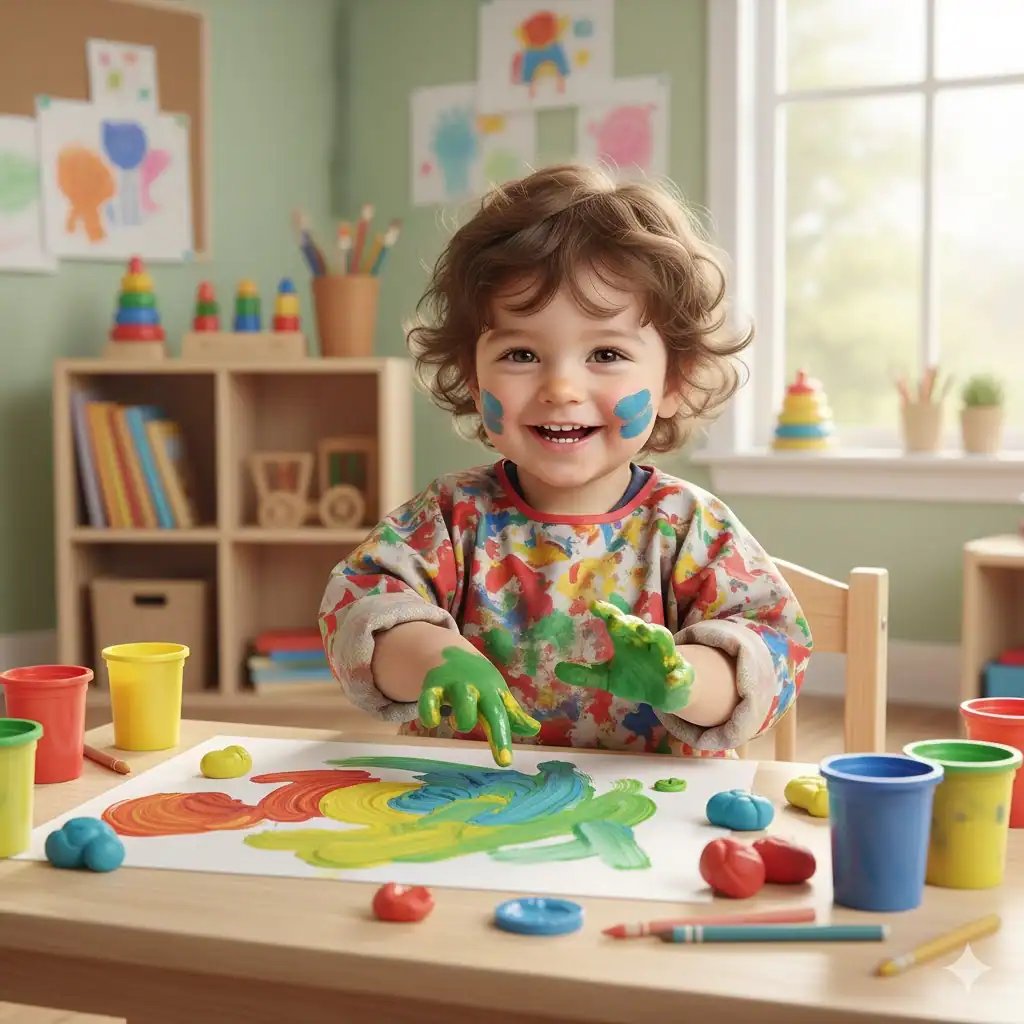
Why It Works
Art allows toddlers to express themselves and develop sensory skills. Plus, it’s way easier than trying to teach patience through verbal instructions.
How to Do It
- Use washable paints, crayons, or playdough.
- Encourage your toddler to create freely, no right or wrong.
- Display their masterpieces proudly—yes, even the “abstract splatters.”
Learning Goals: Creativity, fine motor skills, self-expression.
15. Everyday Life Skills
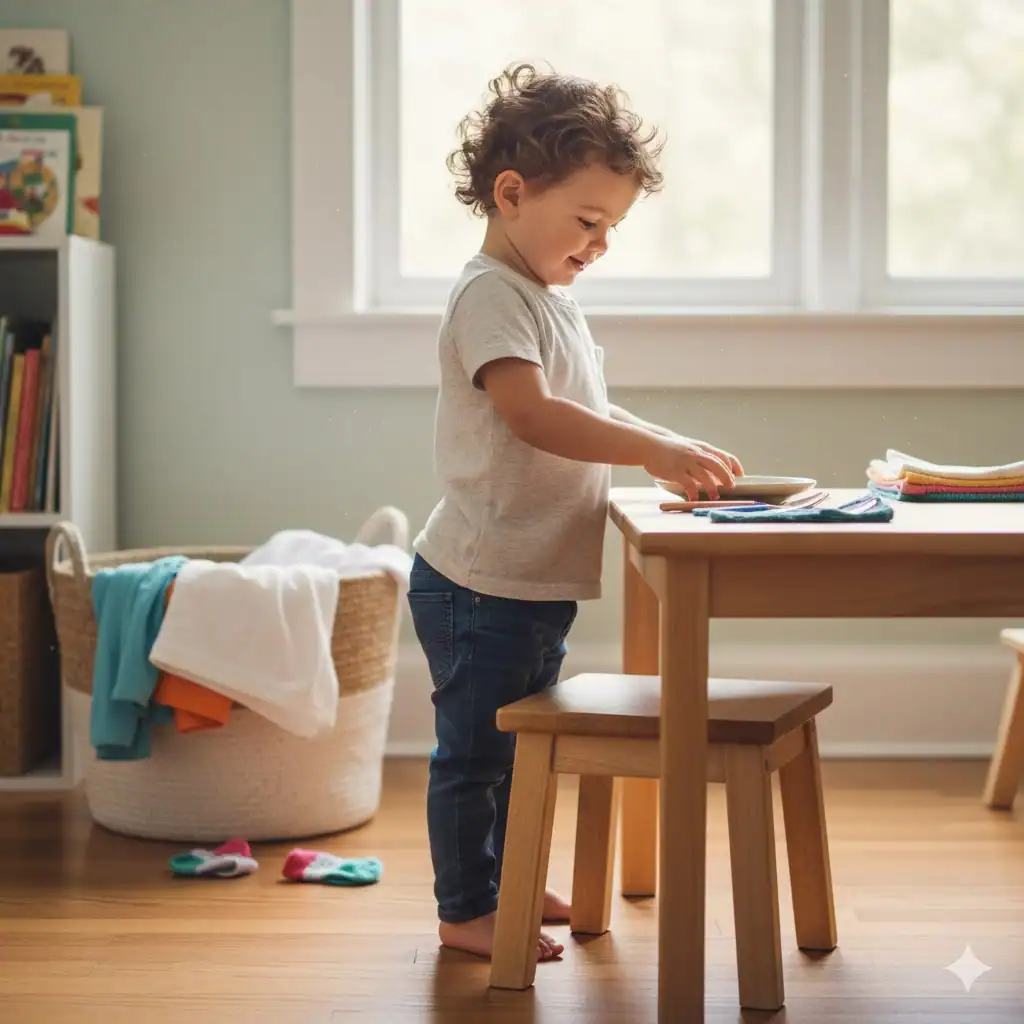
Why It Works
Toddlers learn best when learning feels useful. Life skills give them confidence and independence.
How to Do It
- Simple chores: sorting laundry, putting toys away, helping set the table.
- Turn it into a game or challenge (“Can you help me find all the red socks?”).
- Praise their efforts enthusiastically—they’ll love it.
Learning Goals: Responsibility, problem-solving, motor skills, independence.
Wrapping It Up
There you have it—15 genius lesson plans for toddlers that are fun, easy, and actually doable. 🎉 Whether you’re aiming to teach letters, colors, or life skills, these activities will keep your toddler engaged while giving you a little sanity boost. Remember, the goal isn’t perfection—it’s learning through play, exploration, and connection.
So, which lesson plan are you trying first?