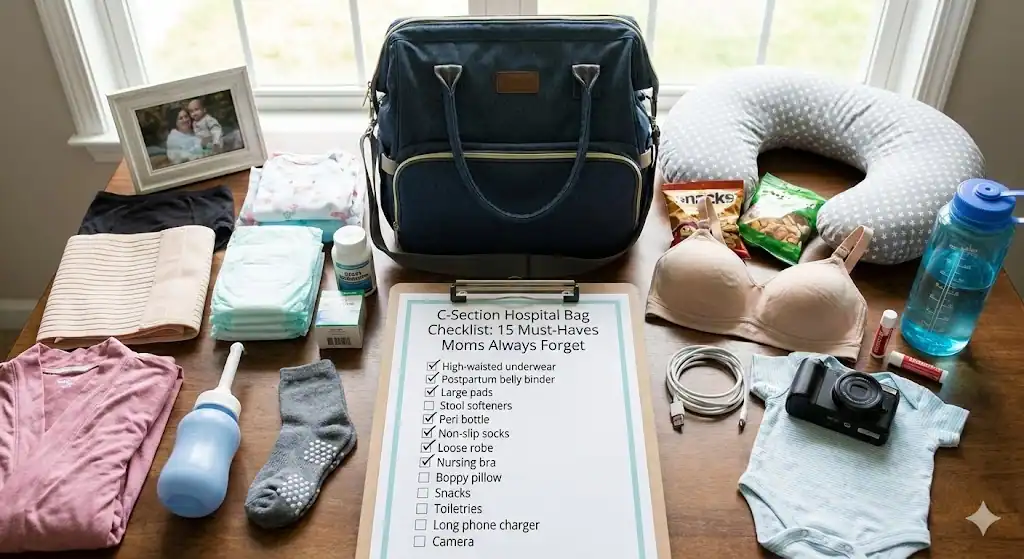
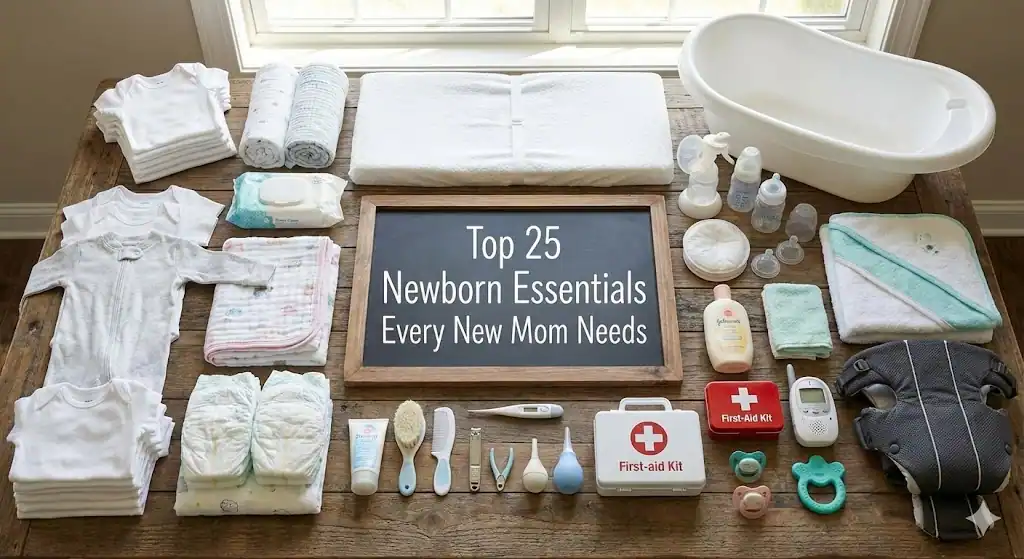
No one truly feels ready for a newborn, and I say that as someone who learned the hard way at 3 a.m. when nothing I tried soothed a crying baby. I wrote this list to save you time, stress, and a few unnecessary purchases. I speak from experience and from chats with other tired but wiser parents.
I will keep this friendly, practical, and honest so you can make smart choices fast. You will find gear, small lifesavers, and sanity-savers on this list. I include quick tips and the reasons I recommend each item. Ready? Let’s do this — coffee in hand, survival mode engaged. 🙂
1. Diapers (Lots and Lots of Them)
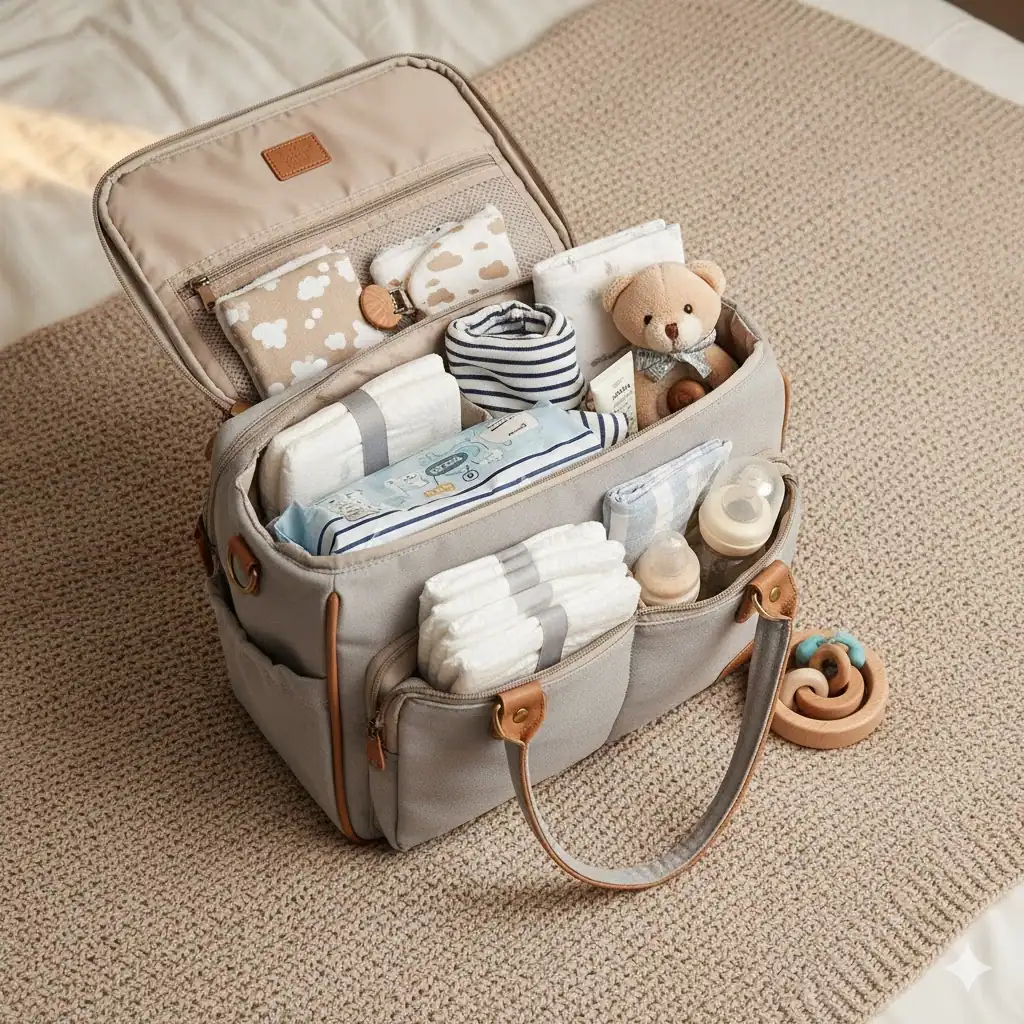
Babies go through diapers fast, often 8–12 changes per day during the newborn stage. I recommend stocking both newborn and size 1, because babies grow and weight ranges vary. You should try a couple of brands before you commit to bulk buying so you avoid leaks and rashes. Disposable diapers offer convenience, and cloth diapers save money long term if you handle the extra laundry. You will also want diaper pails or odor-sealing bags to keep smells under control. Keep a small diaper stash in every room you use often to avoid frantic midnight runs. Remember that fit matters—check the waist, leg seals, and how they handle overnight use.
2. Baby Wipes — Because Spit and Mess Happen

Baby wipes become indispensable immediately, and you will use them for more than diaper changes. I keep wipes in the car, in my bag, on every counter, and somehow still run out at the worst times. Choose unscented, alcohol-free wipes to protect sensitive newborn skin and reduce irritation risks. You will find that wipes clean faces, hands, spills, and random sticky everything faster than a cloth and water. A resealable pack keeps wipes from drying out, and travel packs make outings far less stressful. If your baby has sensitive skin, test a small patch first and switch brands if needed. Trust me: wipes will be one of your most-used baby supplies.
3. Diaper Rash Cream — The Tiny Bum Savior
Diaper rash happens even with the best care, and keeping a zinc-oxide cream on hand prevents small issues from becoming painful ones. I applied cream proactively during long stretches between changes or after messy blowouts, and it reduced redness quickly. Choose clinically trusted brands or pediatrician-recommended formulations for faster relief. Apply a thin layer at each change when your baby shows redness and follow up with frequent diaper-free time to let the skin breathe. Keep a tube in your changing kit and one in the diaper bag so you never get caught without it. If a rash persists beyond a few days, check with your pediatrician for targeted treatment.
4. Onesies and Sleepers — Keep Extras Handy
You will change baby outfits multiple times a day, because spit-up, pee, and explosive diapers love new clothes. I recommend soft cotton onesies and zip-up sleepers that make night changes easy. Go for zippers instead of snaps; you will thank yourself at 2 a.m. when you need speed and calm. Keep a mix of newborn and 0–3 month sizes since growth rates differ. Buy a few neutral colors and a couple of special outfits for photos or visitors. Wash everything with a gentle baby detergent before first use to avoid irritation. Pack a couple extra outfits in the diaper bag for emergencies.
5. Swaddle Blankets — Baby Burrito Time
Swaddles calm many newborns by recreating the confined, cozy feeling they knew in the womb. I used velcro and muslin swaddles depending on the season and baby preference. Start with a snug swaddle that still allows hip movement to keep things safe and comfortable. When your baby begins to roll, transition out of swaddling to prevent restricted movement during sleep. Keep several swaddle blankets on hand for night changes and laundry days. Warmth matters, so choose swaddle fabric based on room temperature and layering. If your baby hates swaddling, try a sleeping sack that offers a similar sense of containment with easier removal.
6. Baby Bottles and Nipples — Try a Few Options
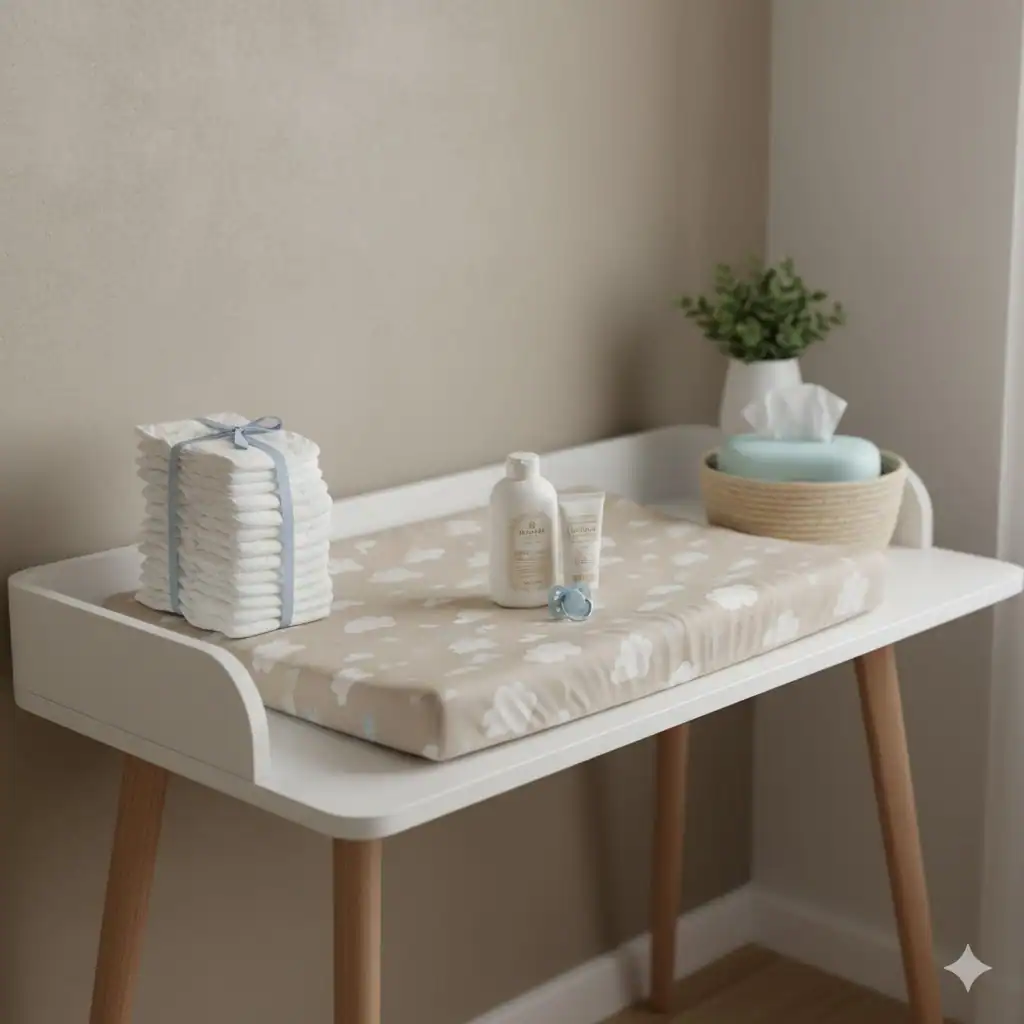
Even breastfeeding parents need bottles for pumping, formula feeding, or backup. I tried multiple bottle shapes and nipple flows to find what my baby preferred. Anti-colic bottles reduce gas for many infants, which helped our household calm faster after feeds. Start with four to six bottles so you can rotate while washing and sterilizing. Match nipple flow to baby age and watch for cues like long sucks or gulping to adjust. Keep spare lids and seals to avoid leaks when you travel. Label bottles with dates if you pump and freeze milk for safe storage and tracking.
7. Breast Pump (or Formula Supplies) — Support Feeding Choices
A reliable breast pump helps when you need flexibility, and a quality electric pump saves time compared to manual options. I used a pump to build a freezer stash and to share nightly feeds with my partner. If you choose formula feeding, prepare bottles, sterilized gear, and clean water ahead of time for night shifts. Ask a lactation consultant for pump settings, flange sizes, and tips to maximize comfort and output. Keep spare pump parts on hand in case something breaks or you misplace a part. Remember that feeding choices often change; choose gear that supports your needs in the short and long term.
8. Nursing Pillow — Save Your Back
A nursing pillow supports comfortable feeding positions and helps prevent shoulder and back strain during long feeding sessions. I found that a firm, contoured pillow kept baby at the right height and reduced my arm fatigue. Use the pillow for breastfeeding, bottle-feeding, and as temporary support during sitter practice. Keep the cover washable because spit-up and leaks happen frequently. Try different pillow shapes if you have special posture needs or C-section recovery. A nursing pillow also works well for tummy time later when parents support baby with gentle elevation. Overall, this small investment bought me more comfort and longer feeding sessions with fewer aches.
9. Burp Cloths — Always Within Reach
Burp cloths protect your clothes and furniture during feeding and spit-up episodes, and you will keep them everywhere. I placed cloths on shoulders, under chins, and across laps during feeds to catch unpredictable messes. Choose absorbent, soft cotton or bamboo cloths that dry quickly and wash well. Keep a stack in the changing area and a few by your favorite chair for emergency coverage. Use burp cloths for quick cleanups, wiping faces, or as makeshift bibs when needed. Replace cloths frequently so you always have a clean one available during feed time. Simple items like burp cloths make messy parenting far less stressful.
10. Baby Monitor — Keep an Eye Without Hovering
A baby monitor gives you peace of mind while you get small things done around the house, and good monitors add night vision and temperature readings. I chose a video monitor with two-way audio so I could sing or soothe from another room. If you prefer basic monitoring, an audio-only unit still offers essential alerts and better battery life. Place the monitor where it views the crib safely, and test the connection range before you rely on it. Secure your Wi-Fi monitors with strong passwords to protect privacy. Use monitor features to track naps and improve bedtime routines as you learn your baby’s sleep patterns.
11. Pacifiers — Trial and Error Required

Pacifiers soothe many fussy babies, but expect to test several shapes and brands to find the right fit. I went through a few pacifiers before my baby accepted one consistently, and that trial paid off in calmer evenings. Choose orthodontic styles that support oral development and swap them often to keep hygiene high. Keep pacifiers in a clean case in the diaper bag for outings and replace them after illness. Use pacifiers selectively to avoid dependency at sleep times if you plan to wean early. When you find a preferred style, keep several identical spares so you always have backups.
12. Baby Bath Tub — Safer Baths Start Here
A small baby tub or insert makes bathtime safer and less stressful than balancing a newborn in a full-sized tub. I used a supportive sling-style insert for the first weeks and then transitioned to a shallow tub for sitting baths. Use a mild baby wash and a soft washcloth to avoid skin irritation and tears. Always test water temperature with your wrist or a thermometer to keep it comfortable and safe. Keep bath supplies within arm’s reach before you lift baby into the water to avoid leaving them unattended. After the bath, wrap baby in a hooded towel to retain warmth and prevent chills. Bath routines often become calming rituals that help evenings feel more predictable.
13. Hooded Towels — Warm and Cute
Hooded towels keep newborns warm after baths and make drying quick and easy while you avoid wrapping cold limbs. I chose soft, absorbent towels that fit small babies without drowning them in fabric. Use a few towels in rotation so one always airs while the others dry. Wash towels with gentle detergent to avoid irritating sensitive skin and keep them free of heavy fragrances. Consider a couple of extra lightweight towels for quick outdoor cleanups or beach days later on. Hooded towels also make adorable photo ops, and those pictures become great memory keepsakes. Keep towels folded and ready on a shelf to streamline your post-bath routine.
14. Baby Lotion and Oil — Keep Skin Soft
Newborn skin often needs gentle moisture, and a light baby lotion or natural oil reduces dryness and flakiness without harsh chemicals. I applied a thin lotion after baths and used oil for gentle baby massages that calmed both of us. Choose fragrance-free products labeled for newborns to protect sensitive skin and avoid allergic reactions. Perform patch tests when you introduce new products to confirm tolerance. Use creams sparingly on any irritated areas and consult your pediatrician if irritation persists or worsens. A light routine keeps skin healthy and supports bonding through gentle touch. Keep products in a safe place away from direct heat and sunlight.
15. Nail Clippers or Electric File — Tiny Nails, Big Problem

Baby nails grow fast and can scratch delicate skin, so keep precise nail clippers or an electric file on hand. I trimmed nails when my baby slept or used a soft file for extra-squirmy moments. A clipper with a curved blade or safety guard reduces the chance of nicks and makes the task easier for nervous parents. Keep a bright light and a steady surface nearby to improve control during trimming. Trim regularly to prevent accidental scratches during cuddles and sleep. If you feel anxious, ask a nurse or pediatrician to demonstrate safe trimming techniques. Over time you will build confidence and handle nail care in minutes.
16. Baby Carrier or Wrap — Hands-Free Bonding
A carrier or wrap lets you hold your baby close while you get things done, and it supports bonding, breastfeeding on the go, and calmer outings. I used a soft wrap for newborn snuggles and a structured carrier once my baby gained weight. Choose ergonomic carriers that support the baby’s hips and your spine to avoid discomfort during long carries. Practice safe carry positions and follow manufacturer guidelines for newborn inserts or adjustments. Use a carrier for quick errands, soothing during fussy periods, and skin-to-skin time when needed. Keep a lightweight carrier in the car or bag for spontaneous walks or trips. A reliable carrier often becomes indispensable for active parents.
17. Stroller — Match It to Your Lifestyle
A good stroller makes life outside the house far easier, so choose one that fits your routine and storage constraints. I chose a travel system with a car seat adapter to move baby between car and stroller quickly. Look for easy folding mechanisms, adequate storage, and smooth wheels for your common terrain. If you live in the city, prioritize compact designs and maneuverability; if you stroll on trails, prioritize suspension and larger wheels. Test how it fits in your car trunk before you buy to avoid regrets. Invest in a sunshade or rain cover if you expect varied weather. A quality stroller becomes your daily transport and a small sanctuary for nap times on the go.
18. Car Seat (Non-Negotiable)
A rear-facing infant car seat keeps your baby safe on the ride home, and correct installation matters as much as the seat selection. I learned to have the seat inspected professionally to ensure tight installation and correct angle. Choose a seat that matches your car and verify weight and height limits to plan for future transitions. Use the base system if available for fast clicks between car and stroller systems. Keep the seat out of direct sunlight and clean the cover per manufacturer instructions. Remember to register the seat so you receive safety recall information promptly. Safety vigilance in car travel reduces anxiety and protects your baby on every trip.
19. Changing Table or Pad — Create a System
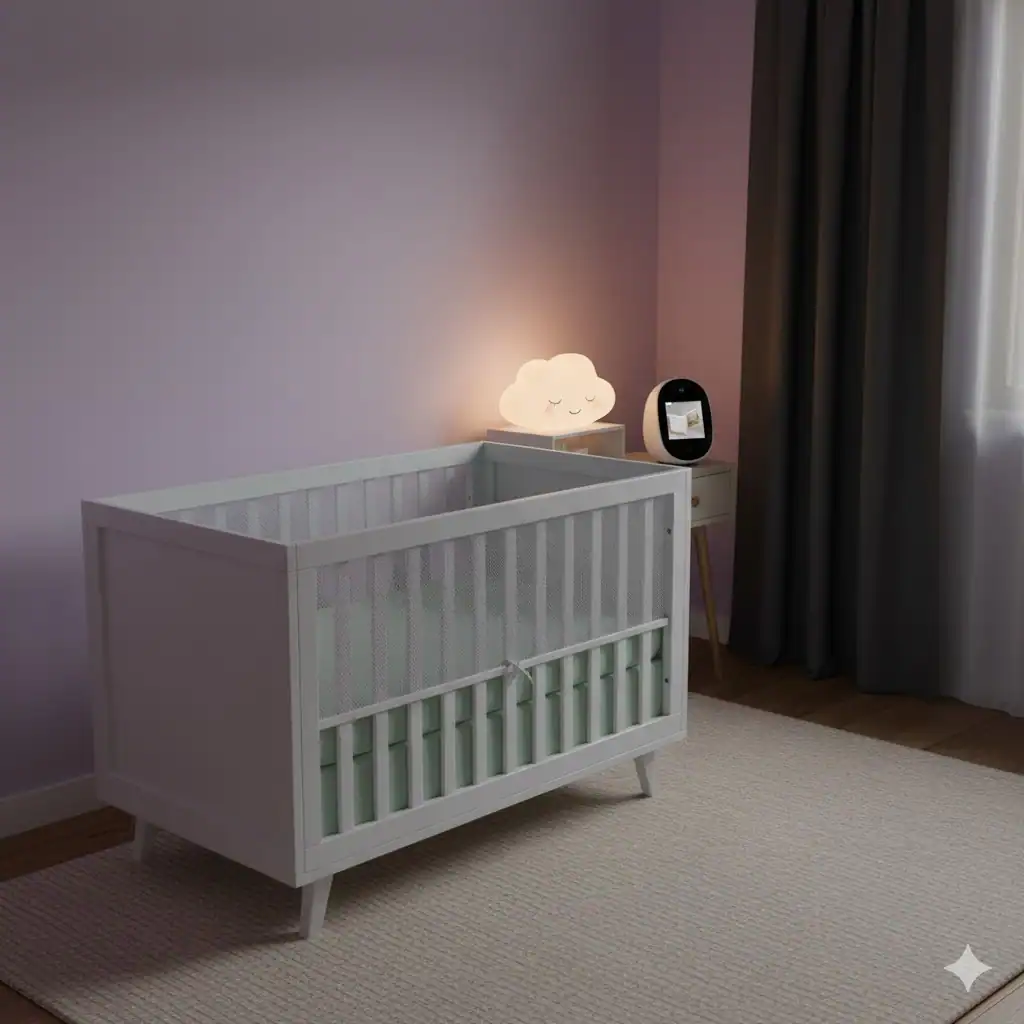
A dedicated changing area makes diaper changes smoother, so keep diapers, wipes, and cream within arm’s reach to avoid leaving baby unattended. I used a changing pad on a dresser for space efficiency and added storage baskets for frequent items. Secure the pad with straps or non-slip material to prevent hazards during quick changes. Keep a small trash bin or diaper pail nearby so disposal stays clean and contained. Stock extra outfits, burp cloths, and plastic bags for soiled clothing in the changing station. Routine and organization speed up changes and reduce stress for both of you. Make the station a calm space with minimal distractions to help your baby settle quickly.
20. Baby Laundry Detergent — Gentle and Effective
Your baby’s clothes need a gentle detergent designed for sensitive skin and free of dyes and strong fragrances. I switched to a hypoallergenic baby detergent and noticed fewer irritations and rash flares. Wash new clothes before first wear to remove manufacturing residues that could irritate newborn skin. Use warm water and a second rinse cycle if residues persist. Keep a small supply of stain treatment for blowouts and milk stains to avoid set-in marks. You will do laundry frequently, so buy small quantities of trusted detergent to test compatibility with your baby’s skin. Good detergent reduces skin issues and keeps fabric soft and comfy for your newborn.
21. White Noise Machine — Recreate Womb Sounds
White noise often helps newborns fall and stay asleep by mimicking the constant background sound they knew before birth. I used a white noise machine during naps and overnight to create a predictable sleep environment. Choose a machine with steady volume control and multiple sound options so you can test which your baby prefers. Place it near the crib but not directly beside baby to keep volume at safe levels. Use the machine consistently to help your baby associate the sound with sleep. Portable white noise devices also help on trips and in unfamiliar hotels. Small sleep cues like this make nighttime more predictable for everyone.
22. Baby Thermometer — Track Fevers Accurately
A reliable thermometer helps you assess fevers quickly, and that clarity reduces panic during the first sick night. I used a digital forehead thermometer for quick checks and a rectal thermometer for the most accurate newborn readings when needed. Keep batteries fresh and test the device before you need it to avoid surprises. Know the typical fever thresholds your pediatrician wants you to watch for and call lines or clinics if temperatures cross those marks. Keep a small first-aid kit with your thermometer, saline drops, and pediatric-approved meds recommended by your doctor. Accurate tools in a kit help you act calmly and effectively when illness appears.
23. Baby Grooming Kit — All the Small Tools
A compact grooming kit saves frantic searches for items like a soft brush, comb, nasal aspirator, and nail clippers. I kept a kit in the changing area and a smaller version in the diaper bag to handle quick needs. Use a nasal aspirator to clear congestion and help baby breathe and feed better during cold seasons. Brush baby hair gently to avoid irritating the scalp and to stimulate circulation. Keep items clean and replace disposable pieces when they wear out. A well-equipped kit reduces stress when small hygiene tasks pop up. You will reach for it more often than you expect.
24. Bouncer or Swing — Give Your Arms a Break
A bouncer or swing offers safe, soothing motion while you take a few minutes to shower or eat, and it often calms fussy periods. I used a gentle swing during the early weeks when my baby fussed more in the evenings. Choose models with secure harnesses and recommended age limits to use them safely. Rotate between supervised floor time and brief swing time to balance stimulation and rest. Keep the unit in your common living area so you can watch baby while you work or relax. Avoid prolonged unsupervised use and follow manufacturer guidelines for durations. Use this gear as a helper, not a substitute for hands-on care.
25. Baby Memory Book — Capture the Moments
A memory book helps you preserve milestones and small moments that blur together during the newborn fog, and you will cherish those notes later. I wrote tiny daily entries and kept prints of first photos so I could remember unexpected little wins. Record first smiles, weights, dates, and small quirks that define your baby’s early personality. Keep receipts, hospital bracelets, and a few mementos in the book for sentimental value. Use prompts if you struggle to remember details amid sleep deprivation and busy days. This simple habit creates a treasured keepsake you will revisit and share for years. You will appreciate those recorded memories more than you expect.
Conclusion — You’ve Got This, Mama
Motherhood feels chaotic at first but you will adapt, and these 25 essentials provide practical support for your early weeks. I included items that saved time, reduced stress, and improved comfort for both baby and parent. You will not need every gadget on the market, but this list covers the real must-haves and a few lovely extras. Try items gradually and return what you don’t use so you avoid clutter and expense. Ask for help when you need it and accept that perfect parenting does not exist. Bookmark this list, pack your hospital bag with confidence, and take one day at a time. You will look back and smile at the small triumphs — I promise. 🙂